PET Bottle Recycling

PET Bottle Washing Line for Clean Recycled Flakes

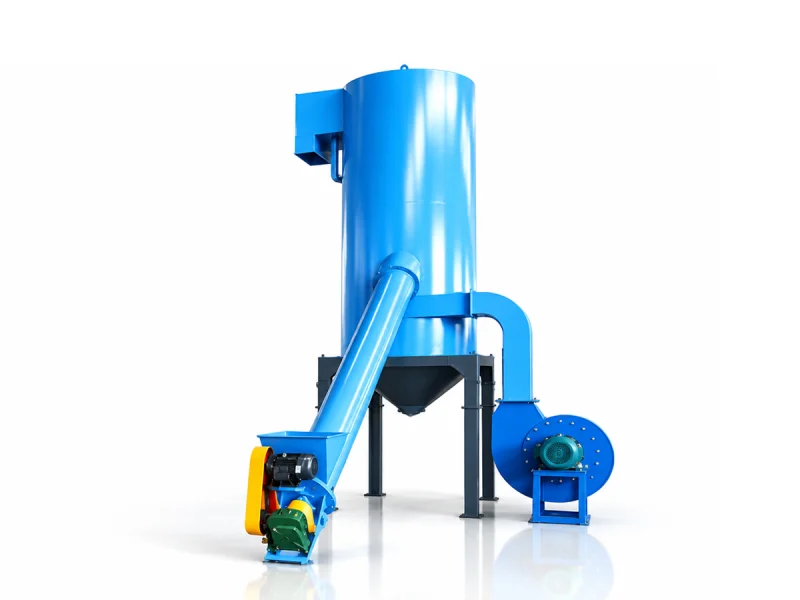
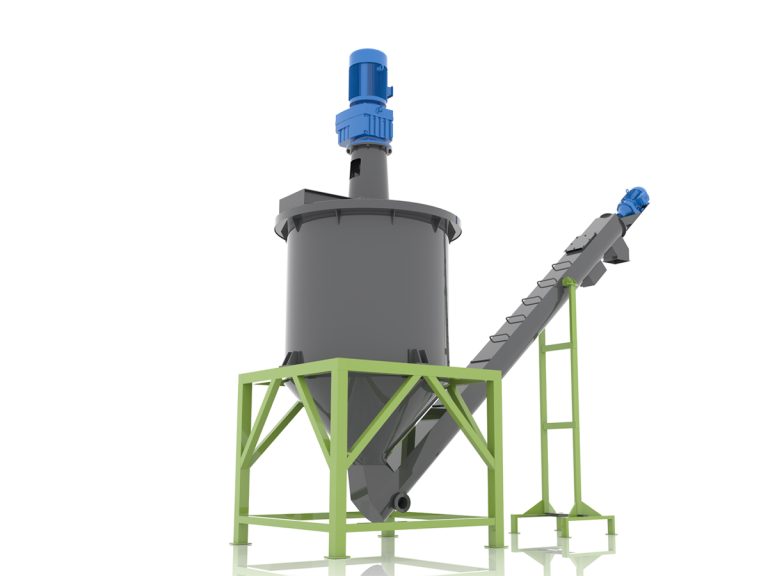
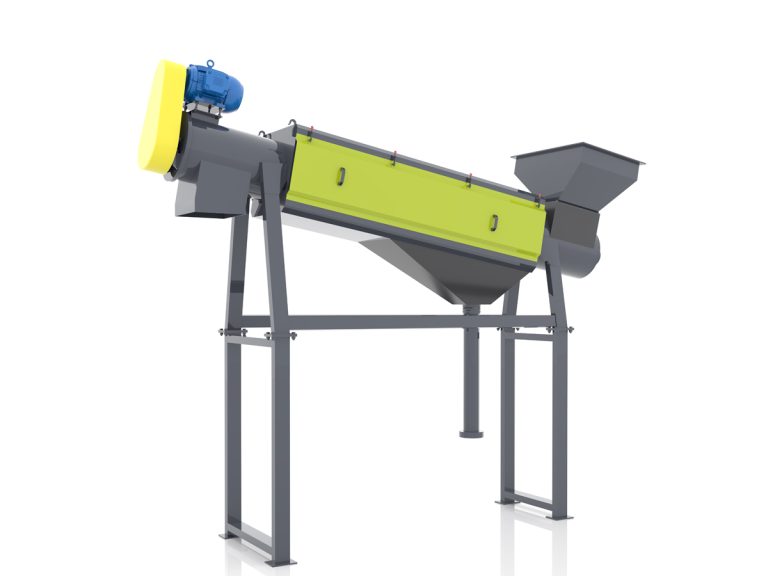
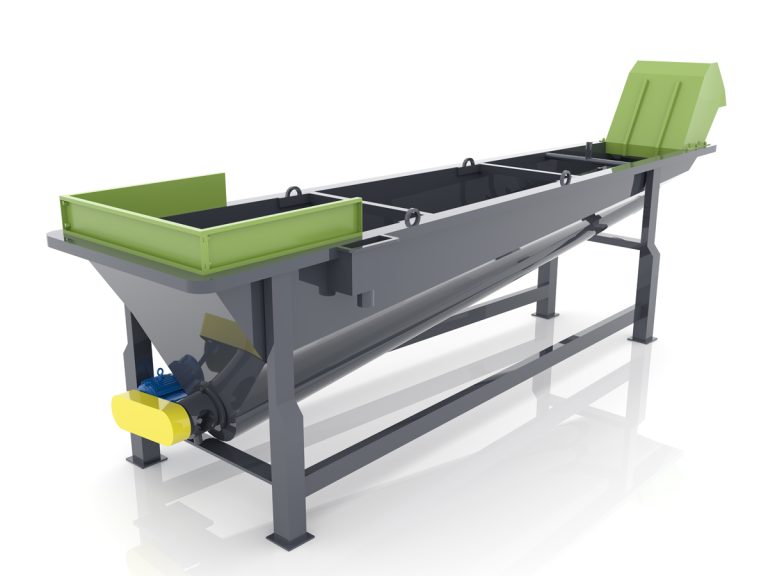
A PET bottles hot washing line uses high-temperature caustic washing, friction cleaning and multi-stage rinsing to remove glue, oil, labels and impurities, producing high-purity PET flakes suitable for fiber, sheet, pelletizing and higher-value recycling applications.

Capacity
500KG/H - 16T/H
Input material
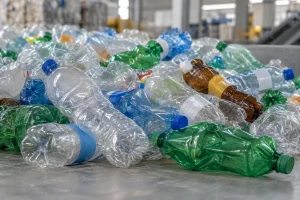
Waste PET bottles
Target output
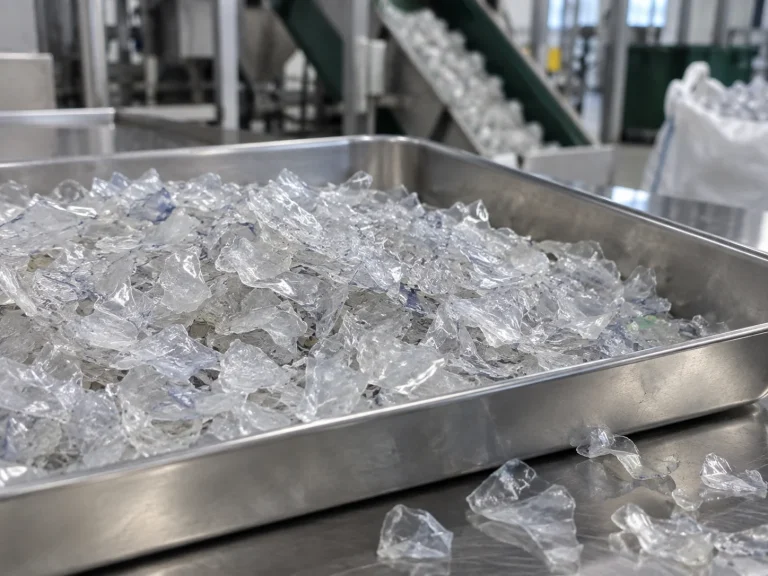
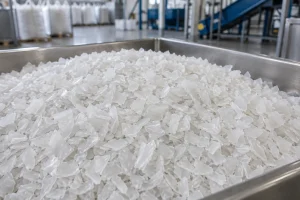
Clean PET flakes
Line configuration
Sorting, crushing, washing & drying
  • Flexible Capacity: 500KG/H - 16T/H capacity & customized line configuration for your project.
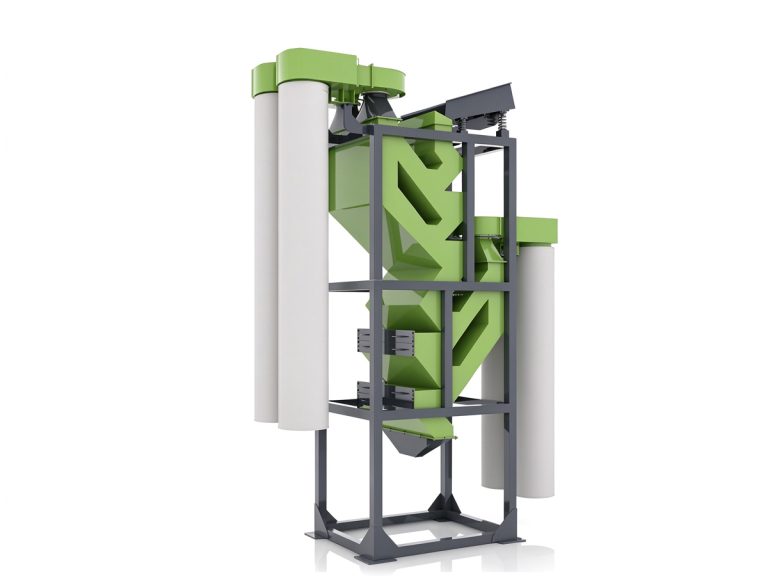
  • High-Purity PET Flakes: Clean flake output with optional food-grade upgrade.
  • Multi-stage Cleaning: Multi-stage washing process ensures stable continuous operation.
  • Energy & Water Saving: Optimized design cuts water and power consumption.

Product Overview

From Collected Bottles to a Defined PET Flake Product

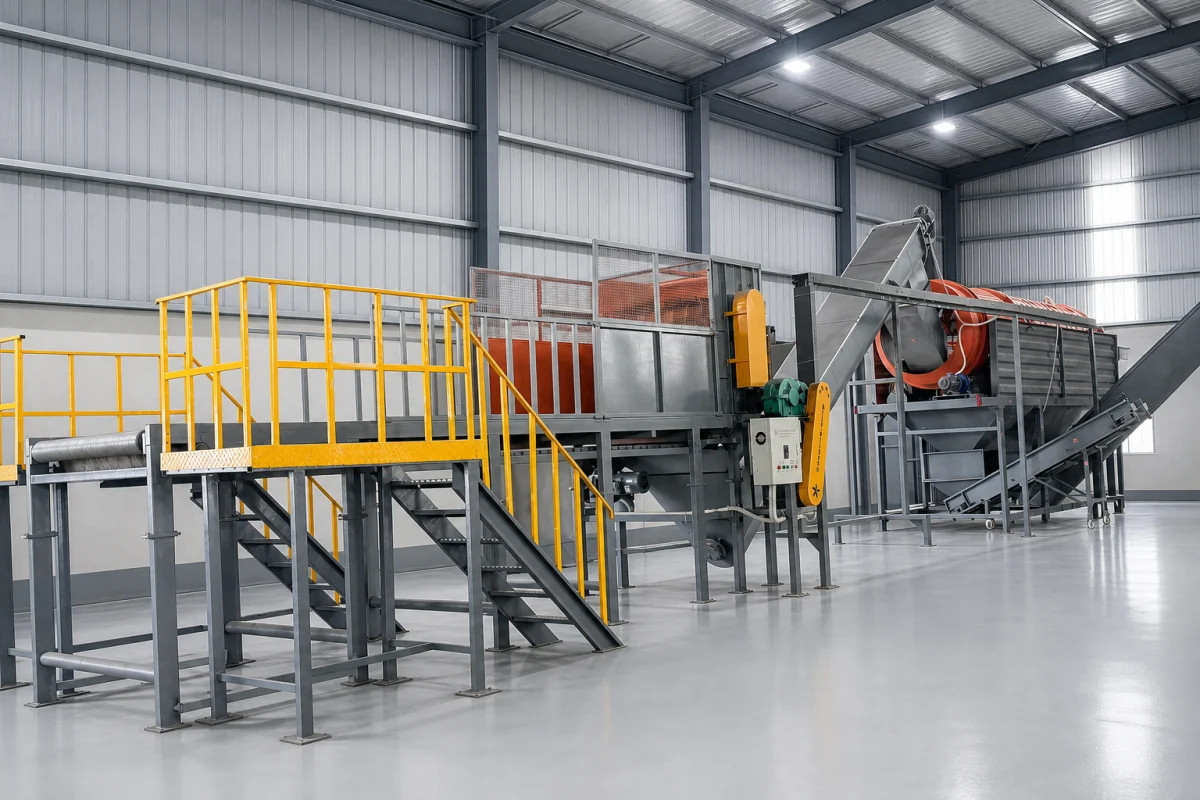
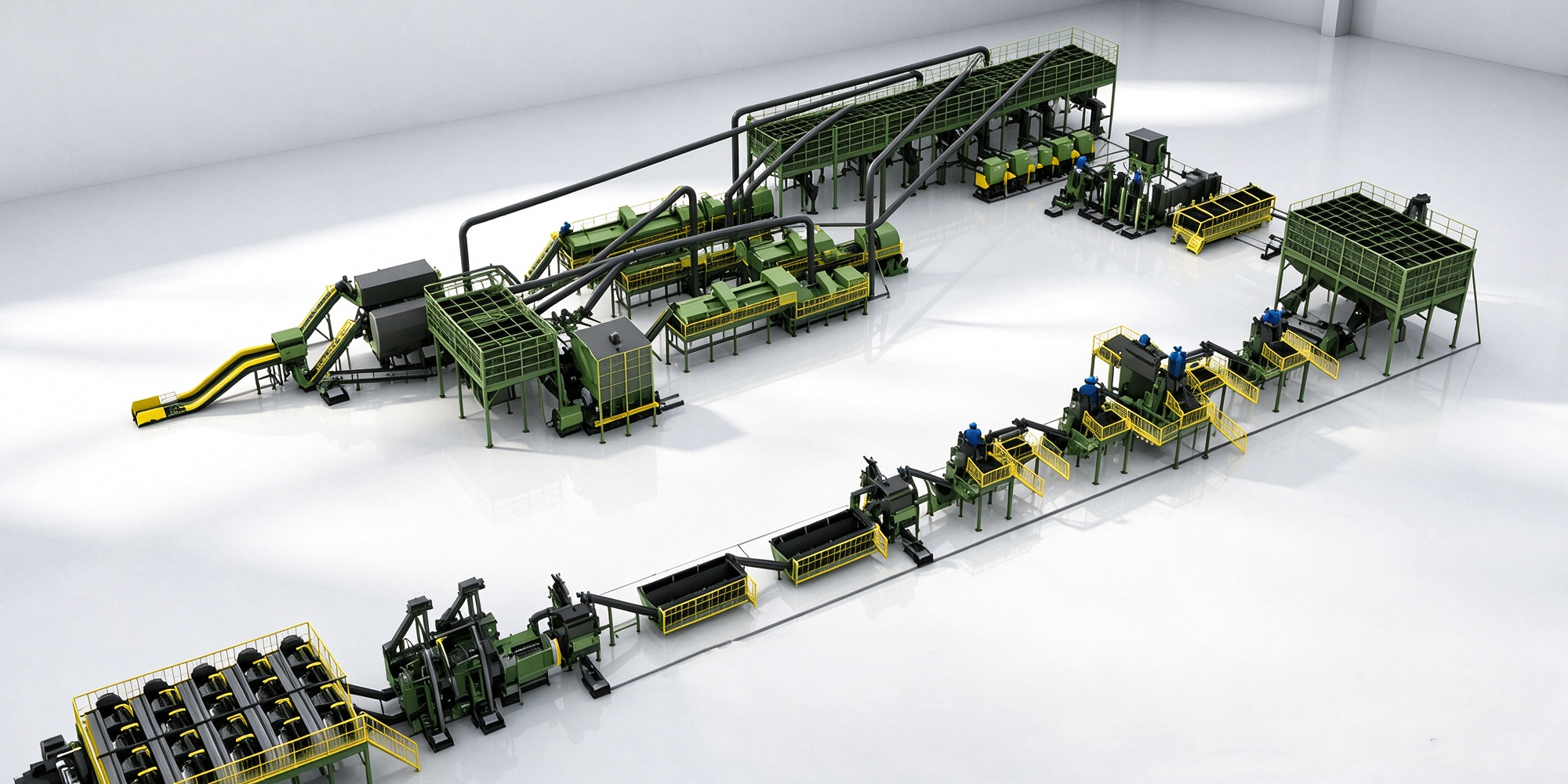
A PET bottle washing line prepares collected bottles for reuse as recycled flake. It brings material preparation, size reduction, washing, separation and water removal into a coordinated equipment package.

The right starting point is your input stream: loose bottles or bales, color mix, label construction and the level of non-PET material. The output target matters just as much. A fiber application and a sheet application may require different sorting and cleaning decisions.


Your Production Challenges

Match the Equipment to the Problem

Stubborn Contaminants (Glue, Oil & Grease)

Cold washing fails to remove strong adhesives, label residue, oils, and organic stains. Our hot washing system operates at 80–95°C with caustic soda, effectively emulsifying and stripping off stubborn contaminants for superior cleanliness.
High Impurity Content & Low Selling Price

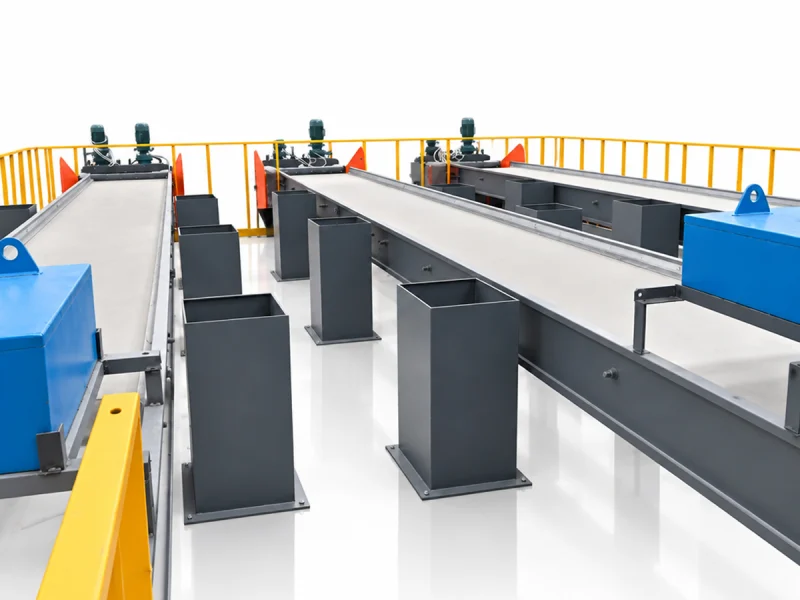
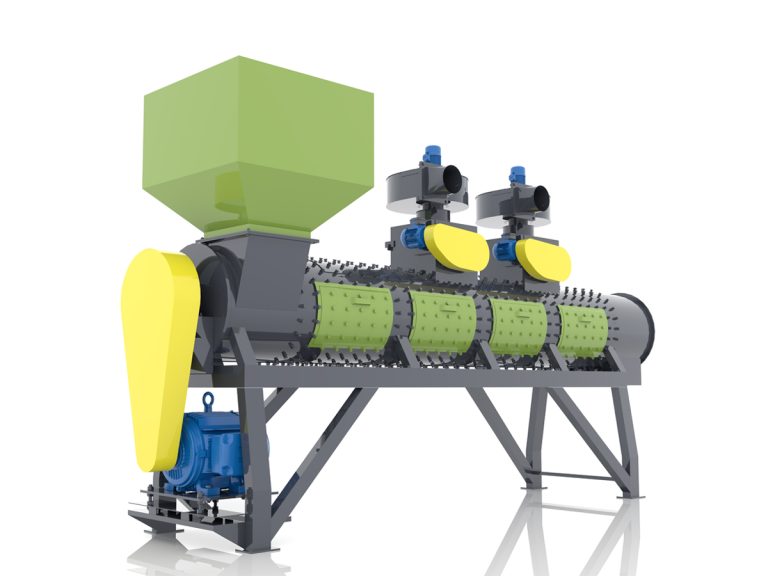
Mixed impurities (PP/PE caps, paper, sand, PVC) lead to heavy price penalties from downstream buyers. Integrated trommel, label remover, sink-float separation, friction washing, and label separators significantly reduce impurity levels, ensuring high-purity PET flakes.

High Moisture Content & Energy Waste

Wet flakes increase drying costs and risk hydrolysis during subsequent extrusion or spinning. High-efficiency centrifugal dewatering and thermal drying reduce moisture to <1%, saving energy and protecting material quality.

Low-End Application Limits

Poor quality cold-washed flakes are limited to low-value applications, reducing profit margins. Upgraded flake quality enables access to high-value markets like fiber, sheet, strapping, and food-grade rPET pre-processing.

Unstable Production & Quality Fluctuations

Variable raw material quality causes frequent downtime and inconsistent output. Automated control and multi-stage washing ensure stable, continuous operation and consistent flake quality, regardless of raw material variations.

Complex Site Layout & Long Commissioning Time

Limited workshop space, complicated equipment layout, and lengthy on-site installation & commissioning delay your project launch. We provide customized compact layout design for the PET Bottle Recycling Washing Line. Remote technical guidance and standardized operating training shorten commissioning time and cut site construction cost.

Technical Parameters

Specify Your PET Bottle Washing Line

The quotation specifies the equipment schedule, utility requirements and agreed performance conditions.

CapacityWater RequiredMan PowerArea Required (Customized)Line Layout
0.5T/H1.5T/h4 people35*10*6mL/U/Straight line
1T/H2T/h6 people45*10*6mL/U/Straight line
1.5T/H3T/h8 people55*15*8mL/U/Straight line
2T/H4T/h10 people85*10*8mL/U/Straight line
3T/H6T/h12 people100*35*10mL/U/Straight line
8-16T/HDepends on raw materialDepends on automation levelCustomized on projectL/U/Straight line

Core Advantages

Coordinate the Bottle-to-Flake Process

Washing stages with distinct jobs

Use each cleaning stage for a defined contaminant rather than assuming a longer line alone guarantees the required flake quality.

Matched separation and rinsing

Review density separation, transfer and rinse arrangement together so removed contaminants do not re-enter the product stream.

Flake quality tied to your market

Set measurable output acceptance criteria and identify the downstream process before finalizing the line.

Process Flow

PET Bottle Washing Process Flow

Each stage has a specific job. The final sequence is selected for your feedstock and plant layout.

  1. Pre-sorting
    01

    Pre-sorting

    Removes non-PET materials, obvious contaminants, and unsuitable bottles to protect downstream equipment and improve flake purity.

  2. De-labeling
    02

    De-labeling

    Strips labels and shrink films from PET bottles before crushing, reducing label contamination in the final flakes.

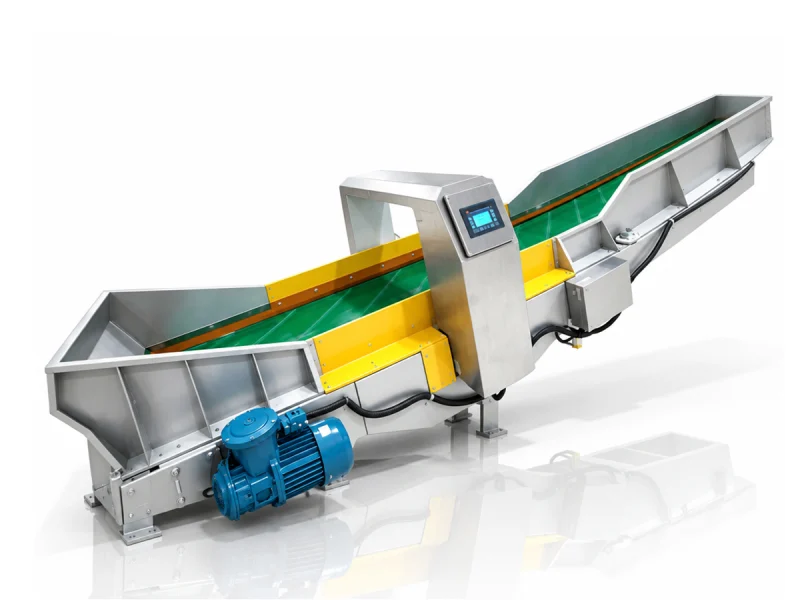
  3. Metal Detection
    03

    Metal Detection

    Detects and removes metal objects such as iron, copper and aluminum to prevent damage to the crusher and other equipment.

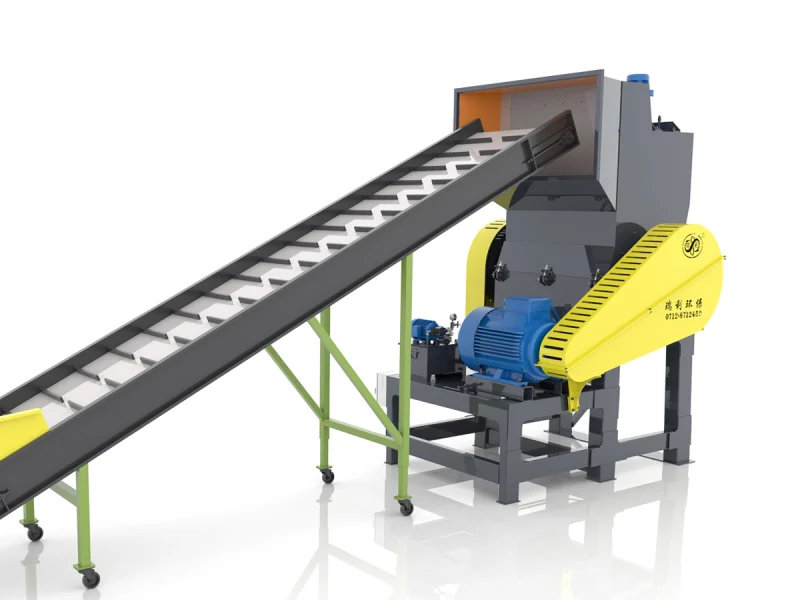
  4. Crushing
    04

    Crushing

    Crushes cleaned PET bottles into small flakes, typically 12–18 mm, to prepare them for efficient washing and separation.

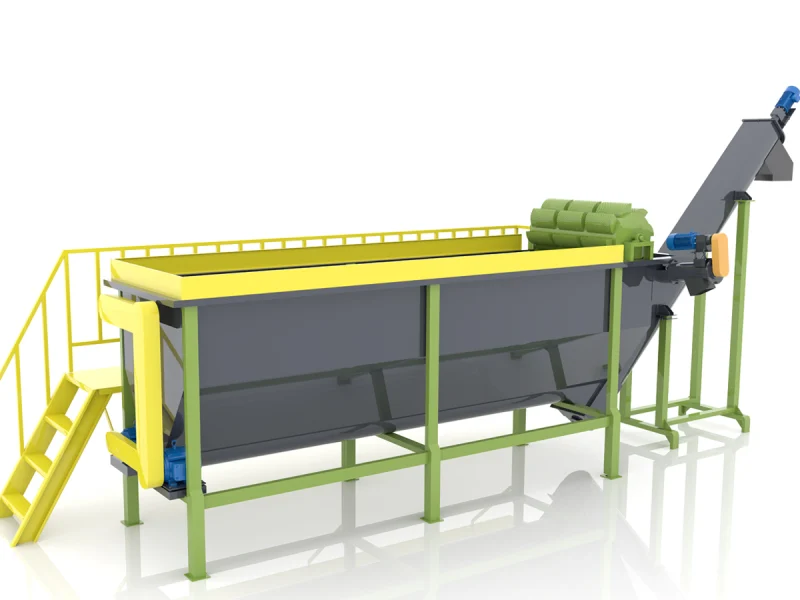
  5. Sink-float Washing
    05

    Sink-float Washing

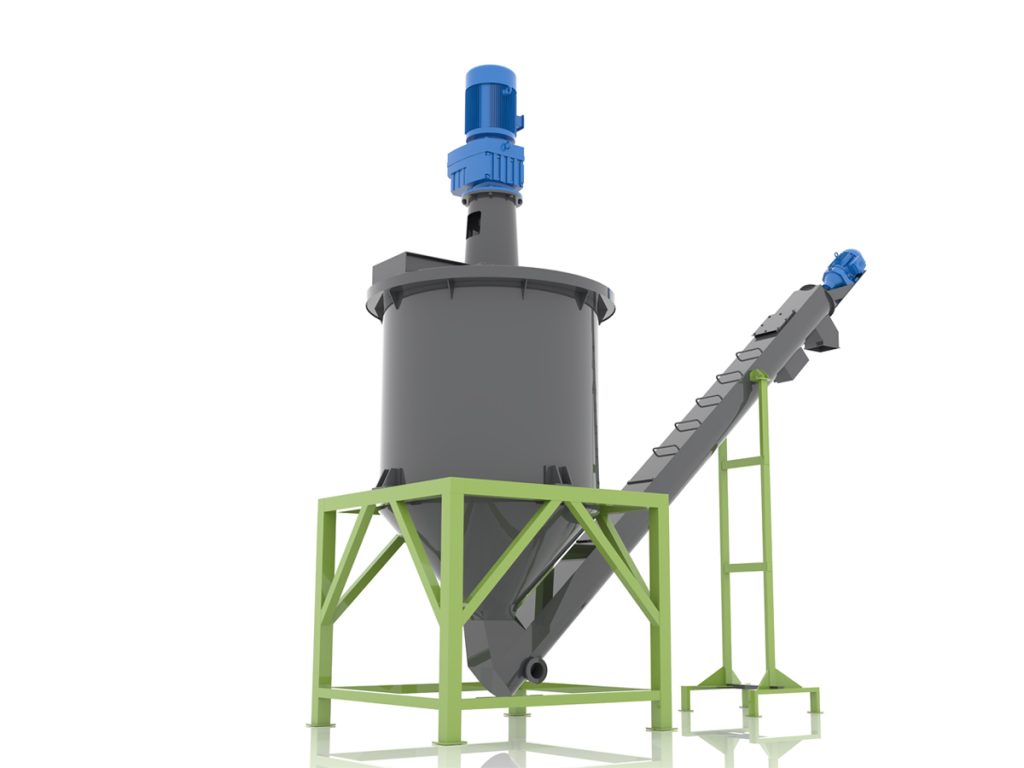
    Separates PET flakes from lighter contaminants such as PP/PE caps, films and label fragments by density difference.

  6. Dewatering
    06

    Dewatering

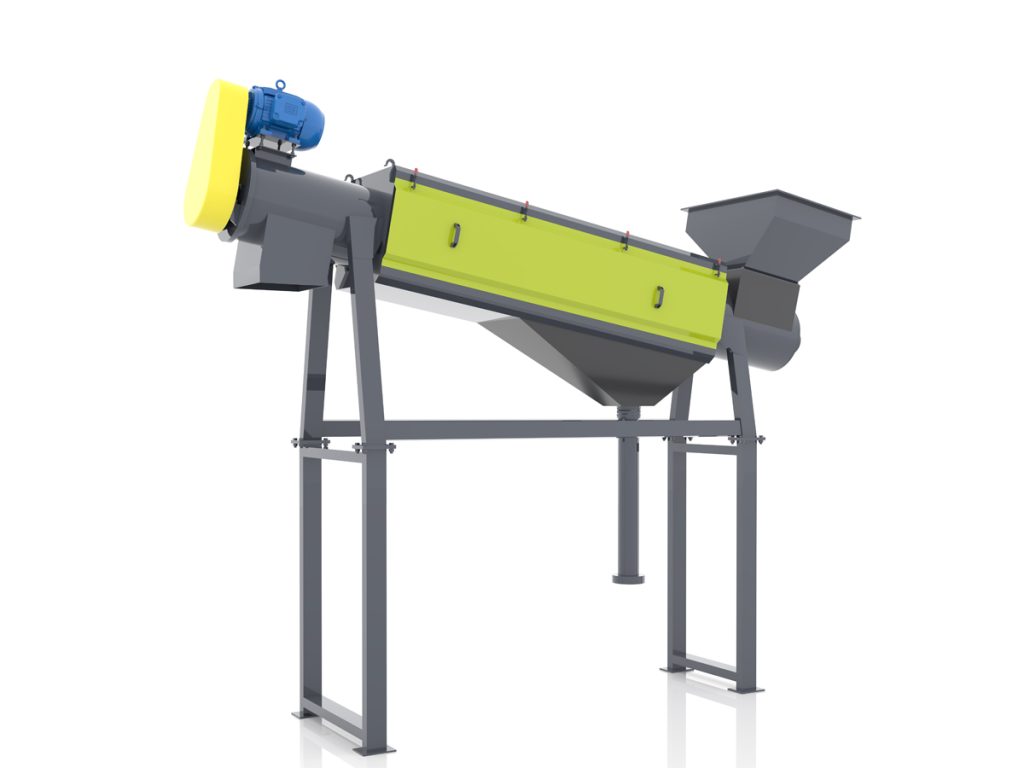
    Removes surface water from flakes after pre-washing, reducing carry-over water and improving hot washing efficiency.

  7. Label separating
    07

    Label separating

    Further removes remaining label pieces, light films and fine floating impurities to increase PET flake purity.

  8. Hot washing
    08

    Hot washing

    Washes flakes at 80–95°C with caustic solution to remove glue, oil, grease, food residue and other stubborn contaminants.

  9. Friction washing
    09

    Friction washing

    Uses high-speed mechanical friction to peel off residual dirt, adhesive and surface contaminants from PET flakes.

  10. Rinsing
    10

    Rinsing

    Washes away residual chemicals, suspended impurities and floating materials, ensuring clean flakes with low residual pH.

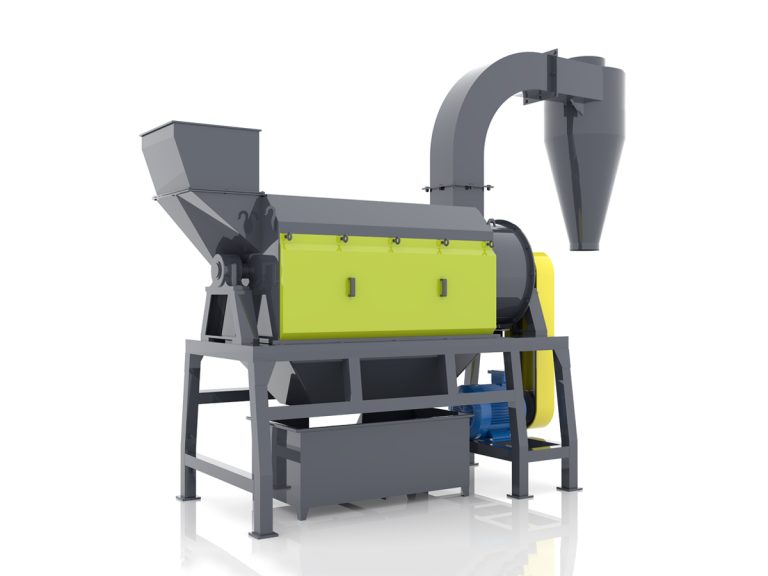
  11. Drying
    11

    Drying

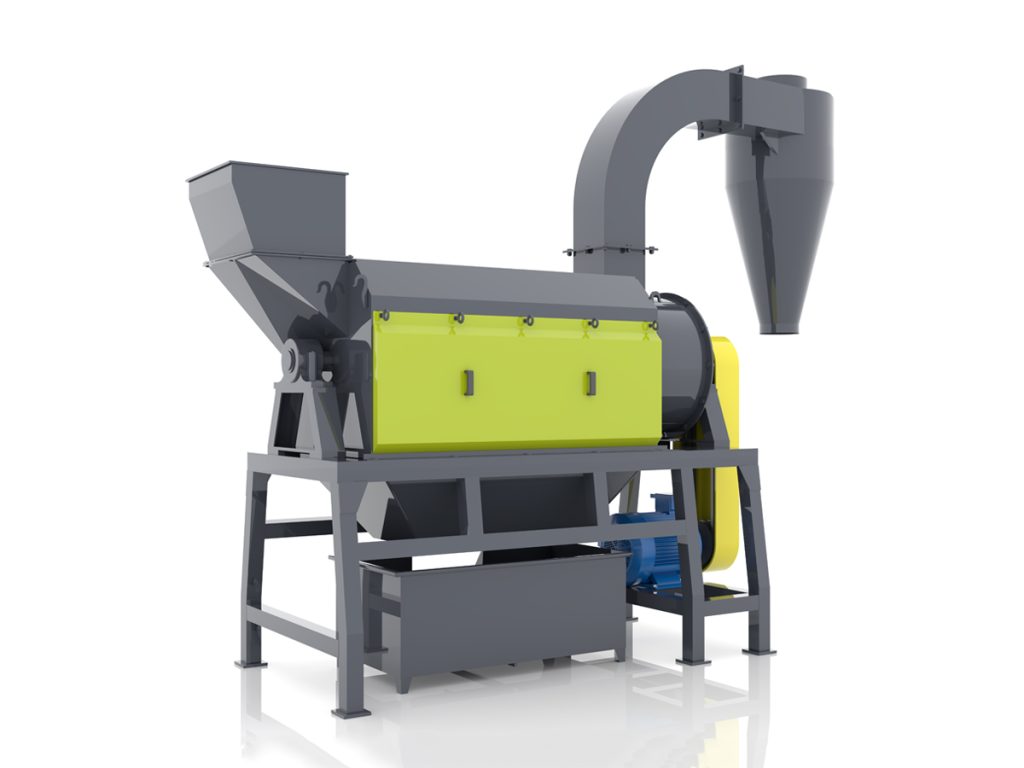
    Reduces flake moisture through centrifugal dewatering and thermal drying, typically to below 1%, for stable storage and downstream processing.

  12. Air Separation/Color Sorting and Polymer Sorting
    12

    Air Separation/Color Sorting and Polymer Sorting

    Removes light impurities, dust, remaining label fragments, off-color and non-PET flakes to improve final product grade.

  13. Finished PET flakes
    13

    Finished PET flakes

    Delivers clean, dry and high-purity PET flakes ready for fiber, sheet, strapping, pelletizing or higher-value recycling applications.

The process shown is a planning route. Sorting position, wash sequence, hot-wash scope and water treatment are reviewed against bottle condition, site utilities and your output specification.

Materials & Applications

Is This Line Right for Your Material?

Post-consumer PET bottle recycling

Post-consumer PET bottle recycling

Processing waste drinking bottles with varying labels, caps and contaminant levels.

Recycled fiber production

Recycled fiber production

Produce clean PET flakes as feedstock for polyester fiber spinning.

PET strapping & sheet manufacturing

PET strapping & sheet manufacturing

High-quality PET flakes for plastic strapping band and sheet extrusion.

PET pelletizing

PET pelletizing

Well-washed low-moisture flakes ready for re-pelletizing and compounding.

Food-grade PET pre-treatment

Food-grade PET pre-treatment

Advanced washing setup to meet strict purity requirements for food-contact PET.

Industrial & municipal PET waste recovery

Industrial & municipal PET waste recovery

Recover PET materials from industrial scrap and sorted municipal solid waste.

Who This Line Is For

Plan Around Your Business

Recycled Material Manufacturers

Fiber, pellet, strapping and sheet producers requiring qualified rPET flake feedstock.

Waste Plastic Operators

Waste plastic recyclers and sorting centers handling post-consumer PET bottle bales.

Recycling Investors & Enterprises

Beverage packaging firms and overseas investors planning new PET recycling projects.

Project Reference

See a Published Rayli Project

A reference illustrates one project configuration. Your material and acceptance criteria determine your own line specification.

Bangladesh 2.5 ton PET recycling washing line for PSF manufacturing

2.5T/H PET Hot Washing Line Project in Bangladesh | PSF Fiber Making

Location
Bangladesh
Commissioned
2024
Reference capacity
2500 kg/h project reference

Project requirement

The customer runs a recycled PSF production plant. They needed stable, high-cleanliness PET flakes as raw material for polyester staple fiber manufacturing. Local waste PET bottles contain heavy glue, label residues and mixed impurities, which required a complete hot washing system to meet flake quality standards for PSF spinning.

Read Published Case

Packing, Delivery & Support

Agree the Delivery Scope Before Ordering

Packing
Whole film packaging machine; anti-collision package edge; fumigation-free plywood wooden box and pallets with iron binding belt.
Shipment
We cooperate with SINOTRANS company whose experience in the ocean transportation will guarantee your machine safety. We also provide train transport, especially to Central-Asia countries.
Payment
We support T/T, L/C, VISA, Mastercard payment terms with Alibaba Trade Assurance.

Price Influencing Factors

What Determines Your Line Price?

A complete line is priced against a defined equipment and service scope. Send the details below for an itemized quotation.

Capacity

Line price varies according to hourly throughput, ranging from 0.5T/H up to 16T/H for different production targets.

Machine Material Type

Choose stainless steel or carbon steel construction. Stainless steel delivers better corrosion resistance for hot washing environments.

Process Configuration

The line can be fully customized. Add or remove equipment units based on raw material condition and final flake purity requirements.

Get Free Quote ↗

Frequently Asked Questions

Before You Choose Your Line

What is the warranty for the machines?

1 year for free (except wearing parts).

What is the material?

Stainless steel and carbon steel as required.

What kind of PET can it deal with?

PET Straps, PET Bottles, PET Trays etc.

Are you manufacturer or trading company?

We are manufacturer in China.

Where are you located? Can I visit your factory?

We are in Hanchuan City, Hubei province, China. All our clients, from home or abroad are warmly welcome to visit us!

Get a Free Quote

Let’s Configure Your Recycling Line

Share your material, target capacity, output requirement and available space. Our team can review the equipment scope with you.

Share Full Project Details →
WhatsApp