Light film does not feed consistently
Select conveying, cutting and feed control for the incoming bulk density instead of applying a rigid-plastic feed arrangement without review.
Flexible Plastic Recycling
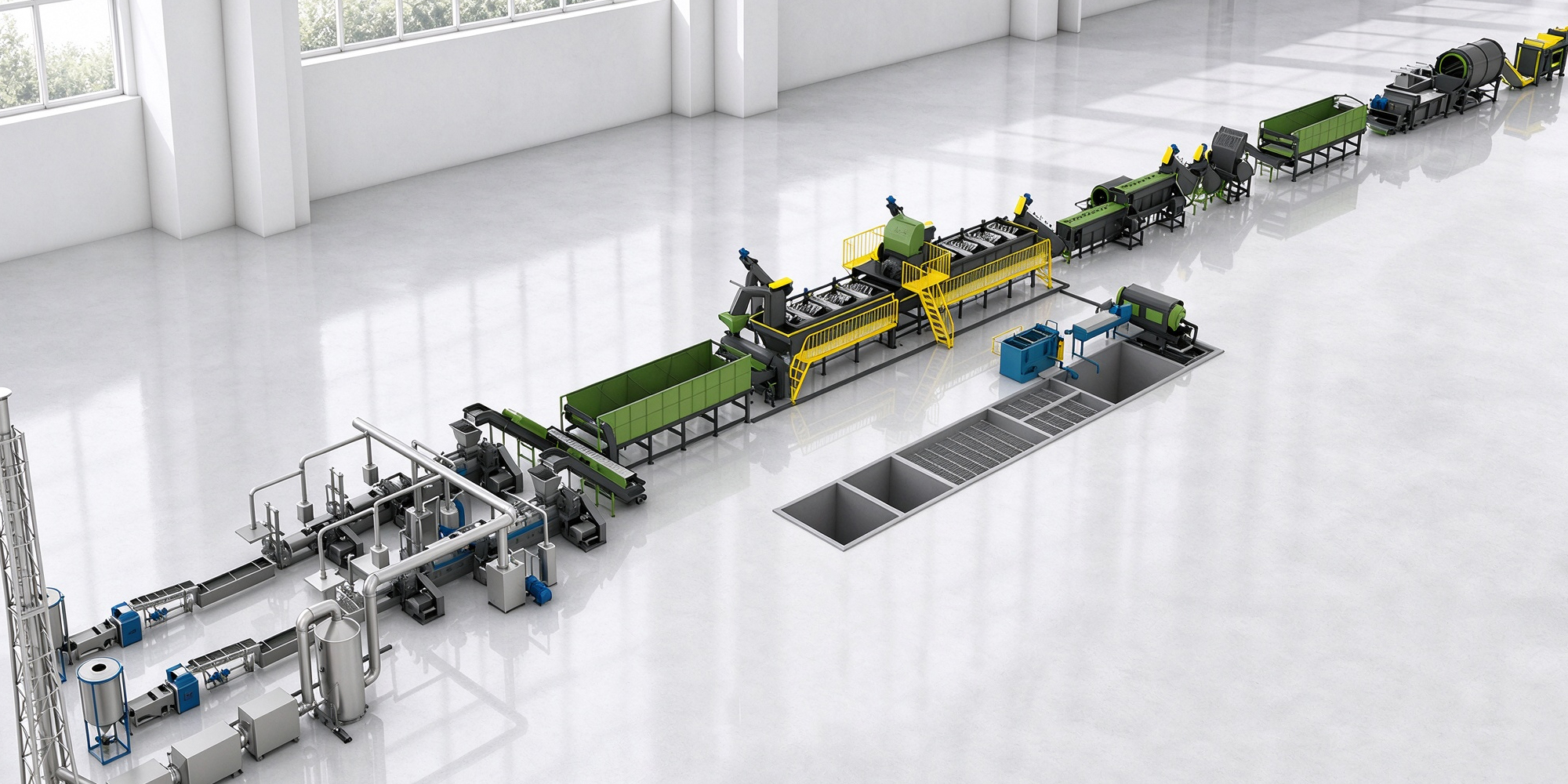
Customized plastic film washing lines for LDPE film, agricultural film, greenhouse film and PP woven bags. Integrated crushing, friction washing, sink-float separation and centrifugal drying for efficient contaminant removal.
Product Overview
Hubei Ruili Environmental Machinery provides customized plastic film washing lines for LDPE film, PP film, agricultural film, greenhouse film and PP woven bags.
Your Production Challenges
Select conveying, cutting and feed control for the incoming bulk density instead of applying a rigid-plastic feed arrangement without review.
Consider pre-cleaning and contaminant-removal points for agricultural film before intensive washing and downstream extrusion.
Review bag layers, liners, attachments and previous contents so preparation and washing match the declared material.
Core Advantages
Review the material form and choose the feed and cutting stages that keep flexible waste moving through the selected route.
Use the material review to identify where pre-cleaning can remove loose contamination before it reaches more sensitive equipment.
Plan moisture reduction around storage, handling and the next extrusion step rather than treating a dryer as an isolated purchase.
Compare packaging film, agricultural film and woven bags as separate input cases when defining one plant or multiple campaigns.
Specify inspection of cutting components, screens, seals and squeeze assemblies in the maintenance routine.
Define the connection to a compactor, feeder or pelletizer so the prepared material can move to the next stage as intended.
Process Flow
Each stage has a specific job. The final sequence is selected for your feedstock and plant layout.
A conveyor feeds the raw material into the line. For dirty agricultural films, a rotary trommel screen can remove large stones, soil clumps and other bulky impurities before crushing.
The film crusher reduces bulky film into smaller flakes. Eight-shaped blades help reduce material wrapping and operating noise. For long, high-volume agricultural films, a heavy-duty crusher can be used for primary size reduction.
Two inclined friction conveyors scrub the flakes while lifting them to the next stage. At approximately 500 rpm in the reference configuration, the sickle-shaped blades increase contact between the flakes, blades and screen surface.
LDPE and PP film flakes generally float in water. The surface pressing and conveying mechanism helps immerse the flakes for washing, while heavier dirt and sediment settle to the tank bottom. Two or three tanks can be used to extend washing time and improve cleaning performance.
The high-speed centrifuge removes excess water through centrifugal force. Its side discharge opening allows the dewatered film flakes to be conveyed to a storage bin or the next processing stage.
Collect prepared material or transfer to the specified pelletizing system.
Packaging film, agricultural film and woven bags may need different preparation and wash stages. Multilayer, laminated or unknown polymers require a separate material review; the illustrated route does not establish universal compatibility.
Materials & Applications
For used mulch films containing soil, sand, stones and organic contaminants. A pre-screening system and heavy-duty crusher are recommended for heavily contaminated materials.
For long LDPE greenhouse films. A heavy-duty primary crusher and multi-stage washing system help process bulky film waste.
For industrial packaging film, stretch film and other flexible plastic waste. The washing configuration can be simplified for relatively clean materials.
Screen openings and crushing configurations can be selected according to the material. Strip-shaped screens may be suitable for certain woven-bag applications.
Who This Line Is For
Plastic recycling factories for upgrading old washing lines & plastic film processors and pellet manufacturers.
Agricultural plastic waste recycling companies and investors launching new LDPE & PP recycling projects.
Equipment distributors and contractors who undertake plastic recycling turnkey projects.
Project Reference
A reference illustrates one project configuration. Your material and acceptance criteria determine your own line specification.
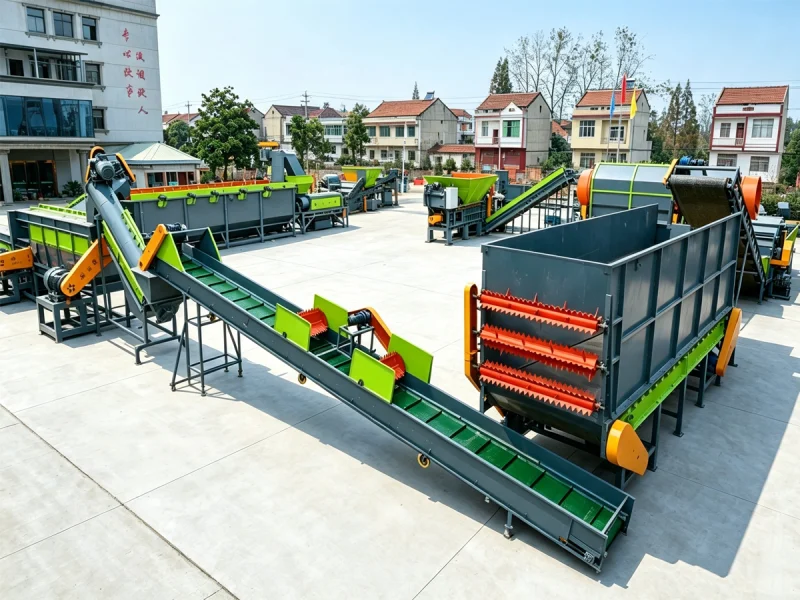
Completed in Xinjiang, China in Dec 2024, this 2T/H PP PE agri-film washing line was built to process heavily soiled farm mulch film. The pre-sand removal and multi-stage friction washing design ensures stable high output and good flakes purity.
Equipment Details & Wear Parts
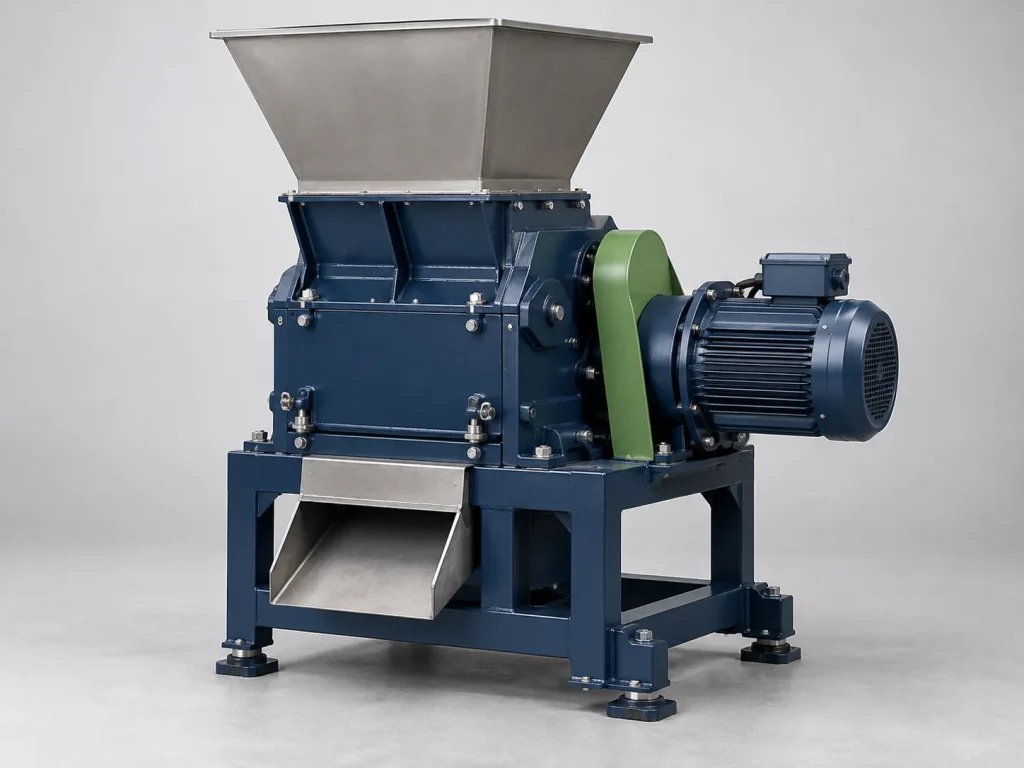
Confirm blade arrangement, screen selection and safe access for the film or bag form. Review wrapping and inspection points in the operator training.
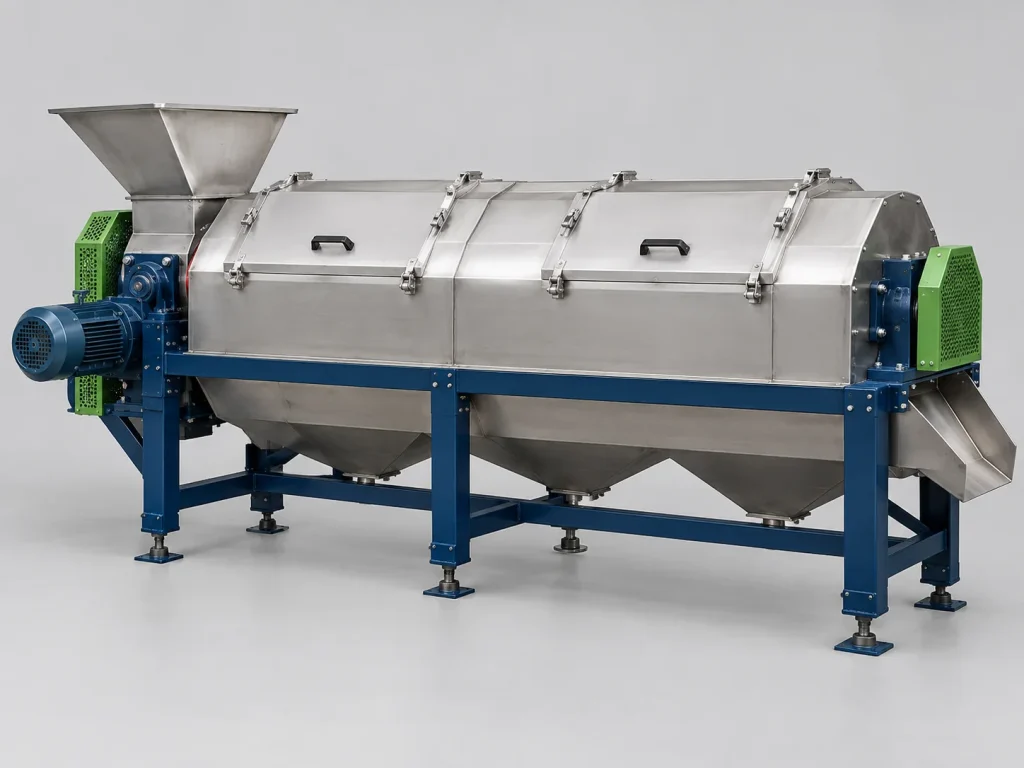
Inspect the friction rotor, screen condition, seals and drainage. Confirm replacement access and the spare-parts package for the expected contamination.
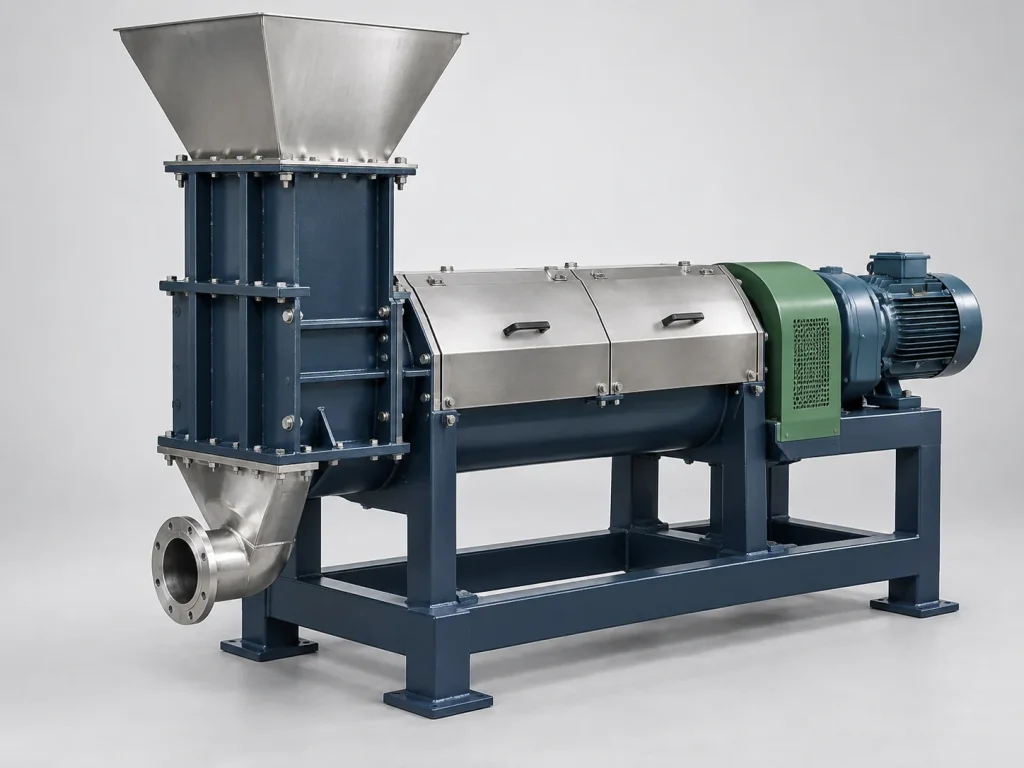
Specify checks for the squeeze mechanism, wear surfaces, gearbox and bearings. Confirm permitted inlet conditions and the outlet required by the next stage.
Packing, Delivery & Support
Price Influencing Factors
A complete line is priced against a defined equipment and service scope. Send the details below for an itemized quotation.
Input volume and the required saleable output affect equipment size, buffer capacity, drives and the number of process stages.
Dirt, labels, metal, moisture and feedstock form influence preparation, cleaning, separation, wear protection and filtration requirements.
Automation, heating, water handling, electrical supply, floor space and interfaces with existing machines change the equipment and engineering scope.
Shipping terms, packing, commissioning, training and the initial spare-parts package should be compared on the same basis in every quotation.
Frequently Asked Questions
It may be possible to configure a route for both, but the cutting, washing and wear requirements must be compared. Share both material streams, their proportions and previous contents before equipment selection.
The agreed value depends on the material, inlet condition, squeeze or drying configuration and measurement method. Specify the moisture tolerance of the downstream equipment and confirm the acceptance test in the quotation.
Send photos or a sample description of your incoming material, target capacity, desired output, local electrical supply and available floor space. Include the required delivery location and any existing machines.
Provide a dimensioned floor plan with doors, columns, clear height, utility points and maintenance access. The process layout and connection heights can then be reviewed before the equipment schedule is finalized.
Confirm the required documents, their scope, warranty period and service responsibilities in the quotation and sales agreement. A document for one component or project does not automatically cover every configuration.
Request an initial spares list based on the selected machine models, material abrasiveness and operating hours. Confirm part numbers and wear limits so replacements match the installed equipment.
Get a Free Quote
Share your material, target capacity, output requirement and available space. Our team can review the equipment scope with you.