Labels and caps lower flake value
Specify bottle preparation and label removal, then review the separation stages needed to reduce non-PET material before final collection.
PET Bottle Recycling
Prepare waste PET bottles for a clean-flake recycling process with coordinated sorting, label removal, crushing, washing and drying. Start with the bottle stream you collect and the specification your flake buyer requires.
Product Overview
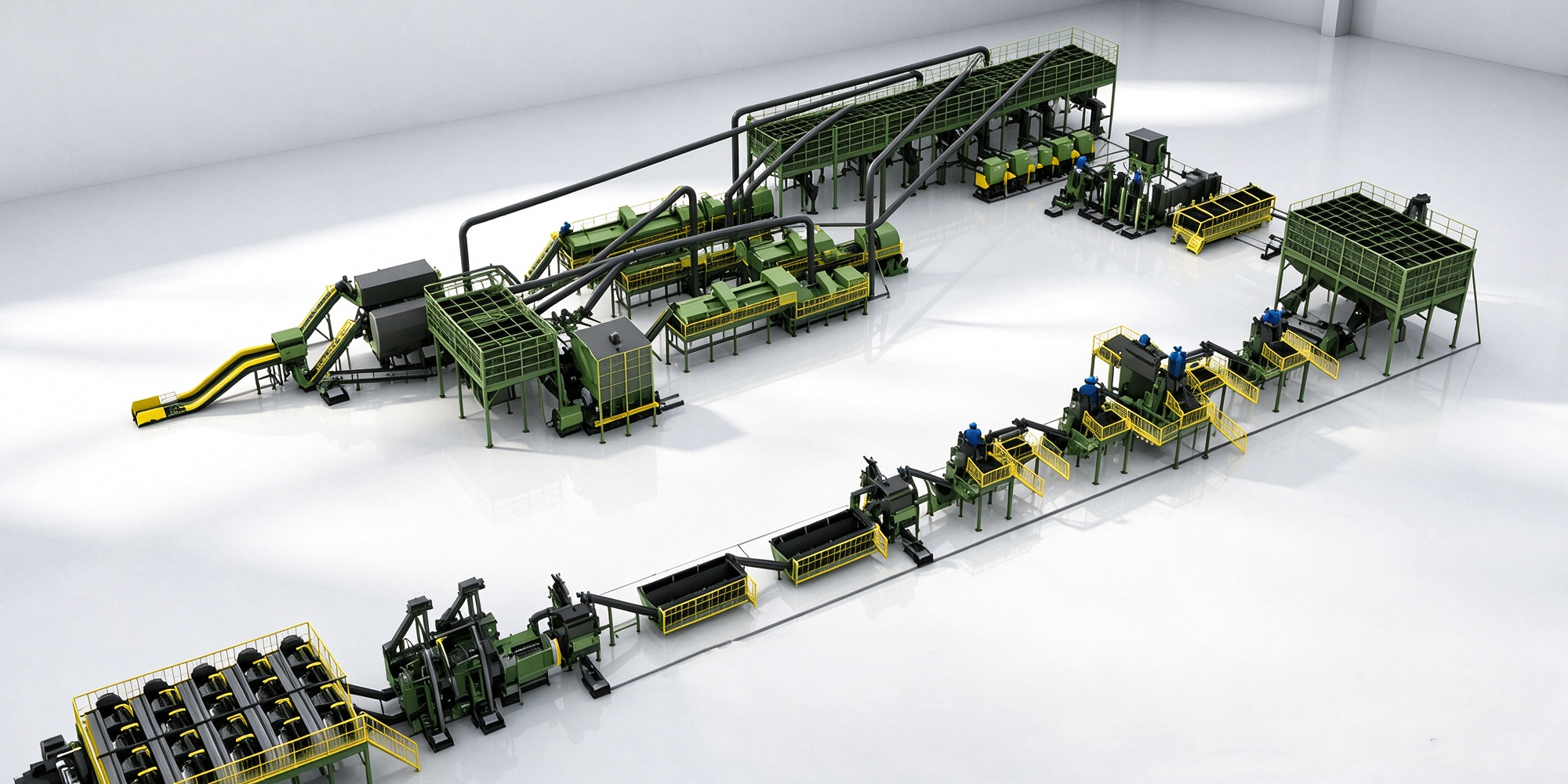
A PET bottle washing line prepares collected bottles for reuse as recycled flake. It brings material preparation, size reduction, washing, separation and water removal into a coordinated equipment package.
The right starting point is your input stream: loose bottles or bales, color mix, label construction and the level of non-PET material. The output target matters just as much. A fiber application and a sheet application may require different sorting and cleaning decisions.
This line produces washed flake. Any further processing, testing or approvals needed for a particular end use should be specified as part of the wider project.
Your Production Challenges
Specify bottle preparation and label removal, then review the separation stages needed to reduce non-PET material before final collection.
Review hot washing, friction cleaning and subsequent rinsing against the actual bottle contamination and buyer requirements.
Select the crusher, screen and material feed together so the washing and drying equipment receives a more consistent particle stream.
Balance the feed, wash, drying and storage capacities, with buffer points and access for routine cleaning.
Technical Parameters
The quotation specifies the equipment schedule, utility requirements and agreed performance conditions.
| Feedstock | Post-consumer PET water and beverage bottles; loose or baled feed to be specified |
|---|---|
| Rated throughput | Project-selected kg/h; define whether the rating refers to incoming bottles or final flakes |
| Main equipment | Preparation and sorting, label removal, crusher, washing and separation, dewatering and collection |
| Flake size | Crusher screen and output-size requirement agreed for the selected configuration |
| Cleaning scope | Pre-washing, friction washing, hot washing and rinsing selected from material review |
| Water & heating | Circulation, make-up water, heating method and effluent interface specified in the utility schedule |
| Electrical supply | Voltage, frequency, installed power and control scope confirmed in the quotation |
| Output acceptance | Flake size distribution, polymer contamination and moisture limits agreed before commissioning |
Core Advantages
Separate unwanted items early and select bale opening or pre-cleaning where the incoming collection stream requires it.
Use each cleaning stage for a defined contaminant rather than assuming a longer line alone guarantees the required flake quality.
Review density separation, transfer and rinse arrangement together so removed contaminants do not re-enter the product stream.
Specify access to the crusher, screens, washing internals and drains for the service routine your operators will follow.
Clarify water, heating and power interfaces during layout review so missing infrastructure does not delay installation.
Set measurable output acceptance criteria and identify the downstream process before finalizing the line.
Process Flow
Each stage has a specific job. The final sequence is selected for your feedstock and plant layout.
Open bales where required and meter bottles into the preparation stages.
Remove unsuitable polymers, metal and oversized foreign objects.
Separate loose label material before the bottle stream is further reduced.
Reduce prepared bottles to the selected flake-size range.
Wash the flake stream and separate PET from selected cap and ring material.
Treat persistent adhesive and residues where the agreed cleaning route requires it.
Rinse the flakes and remove process water for the next drying step.
Prepare flakes for inspection, storage and the agreed packing method.
The process shown is a planning route. Sorting position, wash sequence, hot-wash scope and water treatment are reviewed against bottle condition, site utilities and your output specification.
Materials & Applications
PET collection streams with known label, cap, color and contamination profiles.
Collection-center material that needs bale opening, sorting and controlled feeding before washing.
Feedstock preparation for buyers in fiber, sheet or strapping applications, subject to their material specifications.
Who This Line Is For
Operators developing a complete bottle-to-flake process or replacing a bottleneck in an existing plant.
Teams moving from sorted bottle sales toward a defined washed-flake product.
Manufacturers who need an agreed flake specification for a downstream production route.
Project Reference
A reference illustrates one project configuration. Your material and acceptance criteria determine your own line specification.
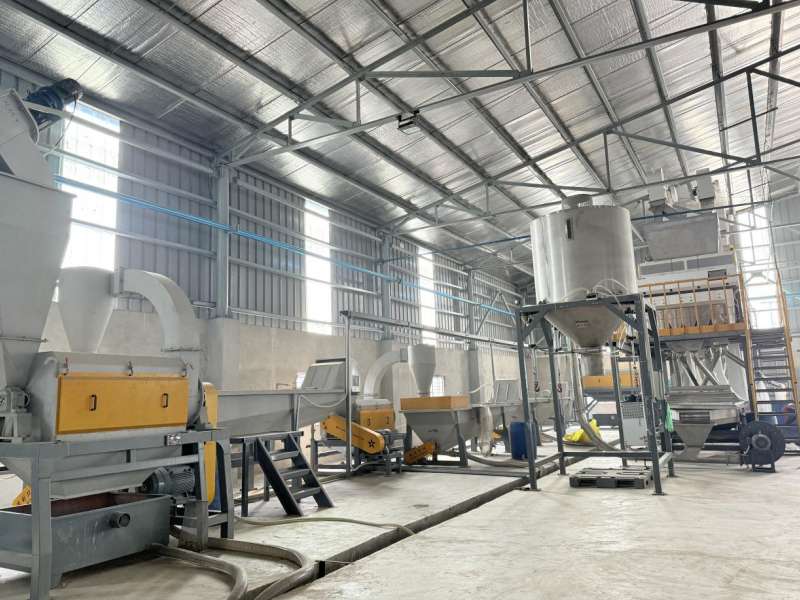
A bottle recycler sought a higher-throughput hot-washing line after its previous equipment no longer met the production requirement.
A project-specific PET hot-washing route was arranged around a 12 mm flake target.
The published reference focuses on increasing production capacity and improving the consistency of washed flakes.
Read Published CaseEquipment Details & Wear Parts
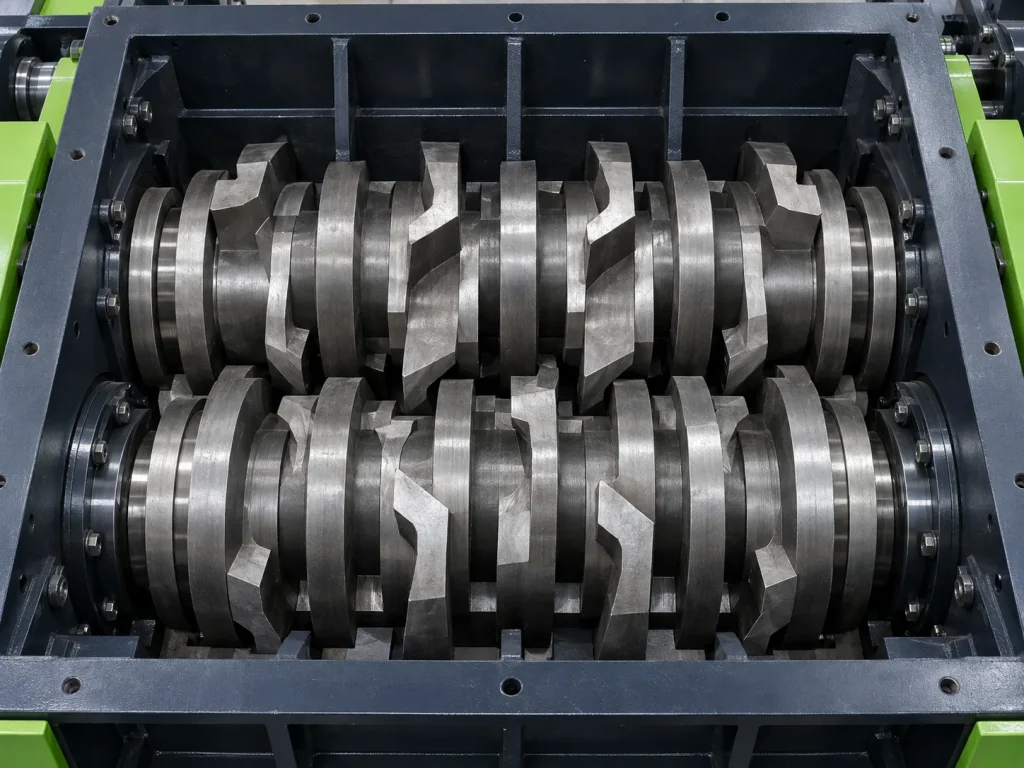
Match the cutter and screen specification to PET bottle feed. Agree adjustment, sharpening or replacement procedures and the initial spare screen and blade package.
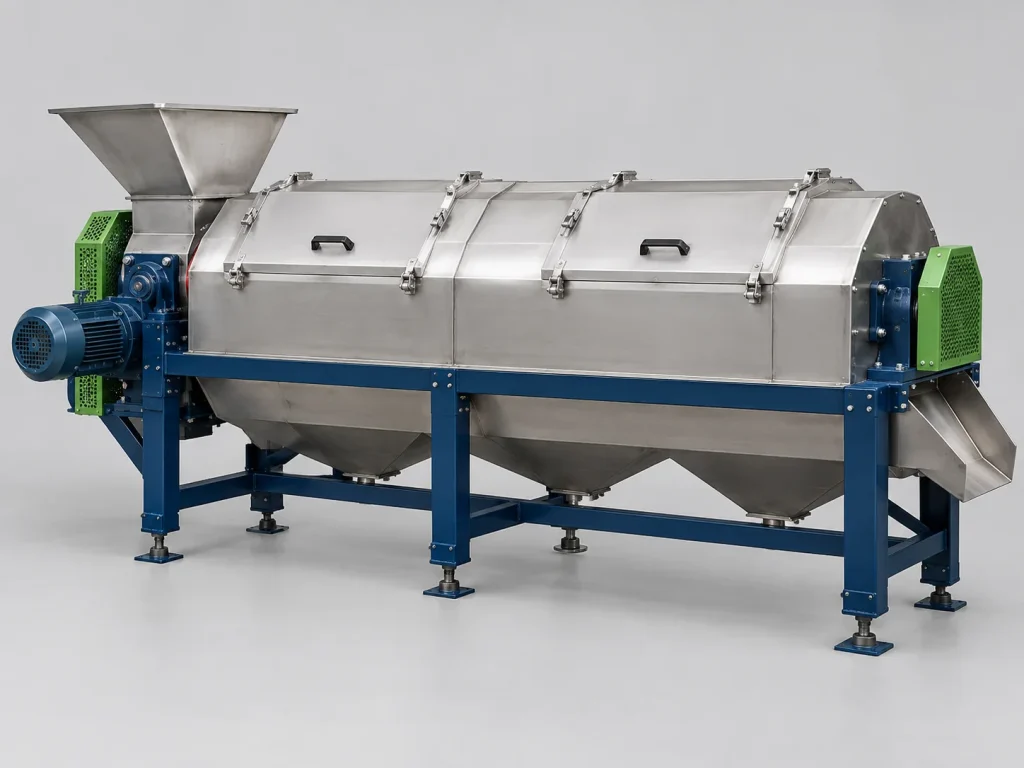
Confirm access to the rotor, screens, seals and discharge areas. Cleaning access helps the team inspect buildup and identify wear before it affects material transfer.
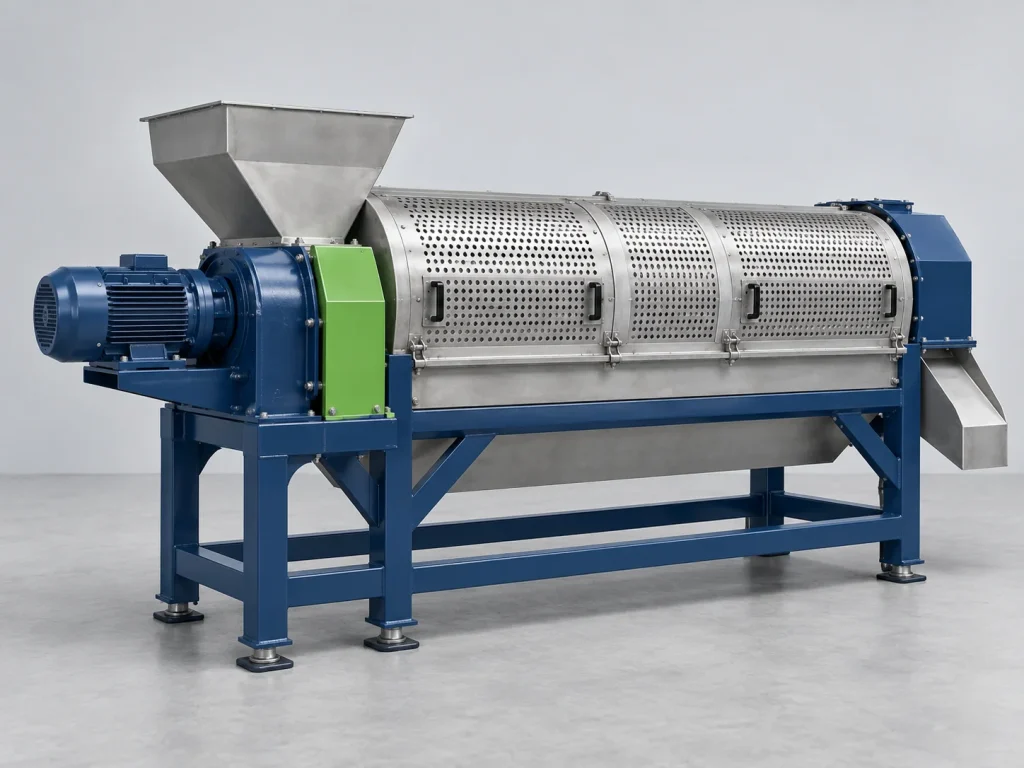
Review bearing and seal inspection, electrical protection, interlocks and PLC documentation for the selected equipment. Confirm component brands in the equipment schedule.
Packing, Delivery & Support
Price Influencing Factors
A complete line is priced against a defined equipment and service scope. Send the details below for an itemized quotation.
Input volume and the required saleable output affect equipment size, buffer capacity, drives and the number of process stages.
Dirt, labels, metal, moisture and feedstock form influence preparation, cleaning, separation, wear protection and filtration requirements.
Automation, heating, water handling, electrical supply, floor space and interfaces with existing machines change the equipment and engineering scope.
Shipping terms, packing, commissioning, training and the initial spare-parts package should be compared on the same basis in every quotation.
Frequently Asked Questions
Food-contact suitability is a separate project requirement. It depends on input controls, decontamination and downstream processing, validation and the applicable approvals. Define this requirement before selecting the line.
The line can include density separation after size reduction. Review cap and ring material, label construction and the required output cleanliness when selecting the separation and rinse stages.
Send photos or a sample description of your incoming material, target capacity, desired output, local electrical supply and available floor space. Include the required delivery location and any existing machines.
Provide a dimensioned floor plan with doors, columns, clear height, utility points and maintenance access. The process layout and connection heights can then be reviewed before the equipment schedule is finalized.
Confirm the required documents, their scope, warranty period and service responsibilities in the quotation and sales agreement. A document for one component or project does not automatically cover every configuration.
Request an initial spares list based on the selected machine models, material abrasiveness and operating hours. Confirm part numbers and wear limits so replacements match the installed equipment.
Get a Free Quote
Share your material, target capacity, output requirement and available space. Our team can review the equipment scope with you.