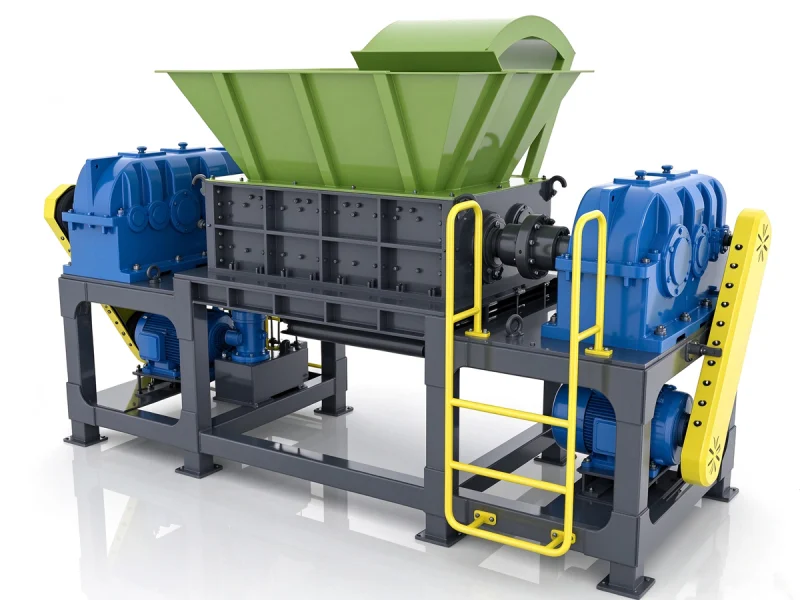
Large containers interrupt crusher feeding
Review primary shredding, feed openings and conveyor arrangement before setting the downstream crusher and wash capacity.
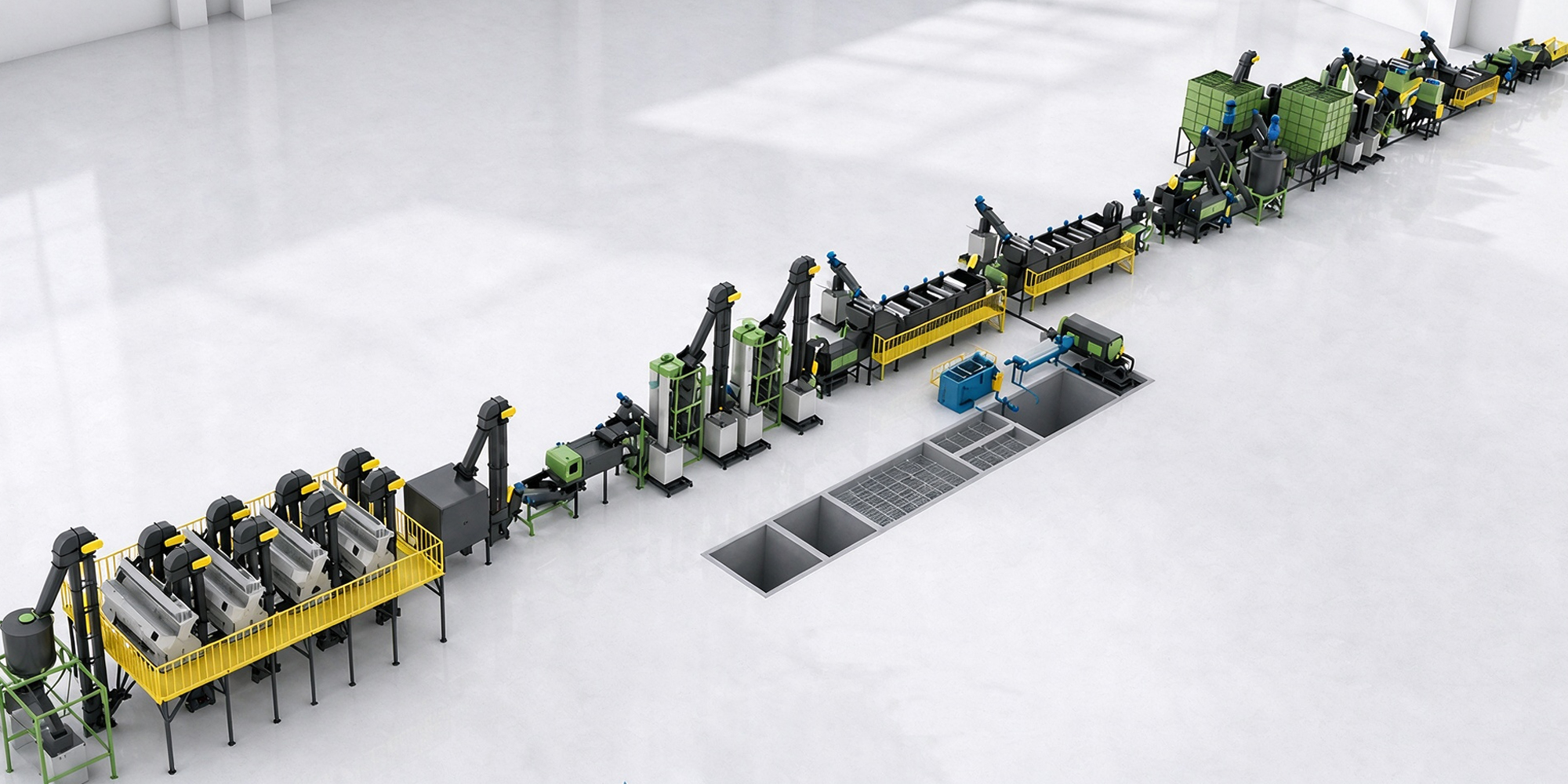
HDPE & Rigid Plastic Recycling
Turn sorted rigid plastic waste into prepared regrind through a coordinated size-reduction and washing process. Select the feed system, cleaning stages and water-removal equipment around the containers you actually handle.
Product Overview
A rigid-plastic recycling line combines size reduction and washing for a defined polymer stream. Bulky drums, bottle collections and thick-wall components place different demands on feed control and cutting equipment, even when the polymer is the same.
Start by identifying the source of the containers and their previous contents. Then set the regrind size, cleanliness and moisture requirements for sale or downstream extrusion. The final arrangement can include a shredder before crushing, material washing and separation, and dewatering before collection.
A mixed polymer stream needs a sorting strategy. A washing line alone should not be treated as a way to make incompatible plastics interchangeable.
Your Production Challenges
Review primary shredding, feed openings and conveyor arrangement before setting the downstream crusher and wash capacity.
Identify the collected material and residues first. Select the washing route and any special handling from that review.
Define sorting and contaminant-removal points before the cutting and washing stages to reduce avoidable exposure of wear parts.
Keep polymers and collection streams controlled, and agree sampling points and output checks before final packing.
Technical Parameters
The quotation specifies the equipment schedule, utility requirements and agreed performance conditions.
| Feedstock | Sorted HDPE bottles, drums and selected rigid containers; source and previous contents required |
|---|---|
| Rated throughput | Project-selected input/output basis, confirmed with material characteristics |
| Size reduction | Shredder and/or crusher selected for feed size, wall thickness and target regrind |
| Washing route | Pre-washing, friction cleaning, separation and rinsing as selected |
| Output size | Specified crusher screen and regrind-size requirement |
| Water removal | Mechanical dewatering and any additional drying selected for downstream use |
| Utilities & footprint | Installed power, water handling and maintenance clearances confirmed in the layout |
| Output acceptance | Agreed polymer composition, contamination, moisture and particle-size criteria |
Core Advantages
Select cutting stages around the actual container dimensions so the rest of the line receives a manageable feed stream.
Locate sorting and removal steps where they protect the process rather than relying only on the final wash.
Match cleaning intensity and contact conditions to the collection stream and required product quality.
Allow space for rotor, screen, pump and bearing service when planning the line, not after installation.
Set moisture and particle-size requirements around regrind sales or the planned pelletizing system.
Separate supplied machines, site utilities and any optional water-treatment equipment in the commercial scope.
Process Flow
Each stage has a specific job. The final sequence is selected for your feedstock and plant layout.
Check the polymer stream, previous contents and unsuitable items.
Reduce bulky containers where a shredder is part of the selected route.
Produce regrind suited to the wash system and required output size.
Remove loose surface contamination before more intensive cleaning.
Clean attached dirt and residues through the selected wash arrangement.
Separate selected contaminants and rinse the prepared material.
Reduce process water to the agreed downstream requirement.
Collect prepared material for sampling, storage or pelletizing.
Container history, contamination and downstream use determine the wash chemistry, material-contact specification and extra separation stages. Share this information before the layout is finalized.
Materials & Applications
Sorted detergent and household-container streams with declared previous contents.
Rigid items requiring review of feed size, cutting load and surface contamination.
A separately reviewed PP stream can be considered; collection streams and polymer specifications should remain controlled.
Who This Line Is For
Plants producing regrind from a defined bottle, drum or container stream.
Operators adding cleaning and preparation to an existing collection and sorting operation.
Teams building a wash-and-prepare stage ahead of their extrusion and pelletizing process.
Project Reference
A reference illustrates one project configuration. Your material and acceptance criteria determine your own line specification.
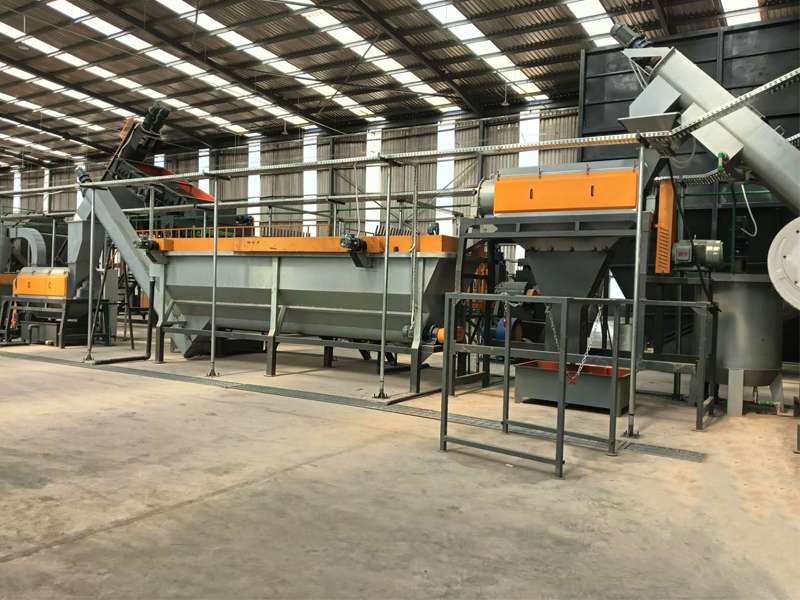
A regional recycler needed to handle a larger volume of mixed collected HDPE while improving the marketability of its washed output.
The published configuration combines material preparation, hot washing, friction cleaning, separation and dewatering.
The project illustrates how washing intensity and line capacity are selected together for the incoming collection stream.
Read Published CaseEquipment Details & Wear Parts
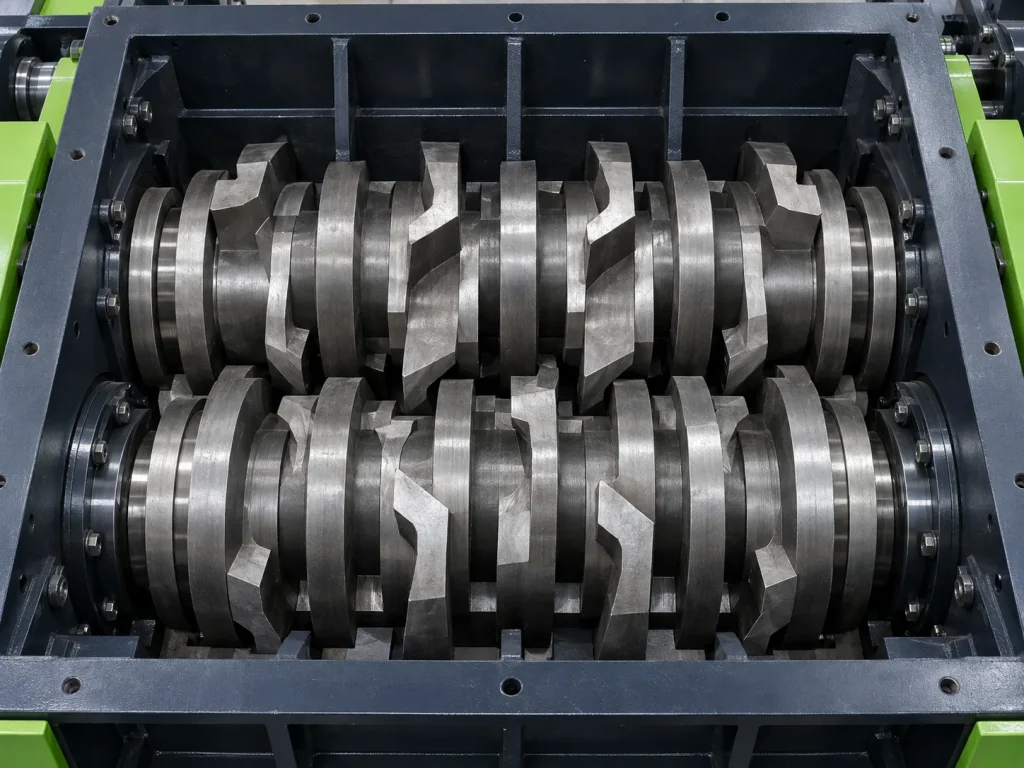
Review cutter geometry, wear inspection and adjustment against the rigid feedstock. Confirm the blade specification and replacement schedule for the selected shredder.
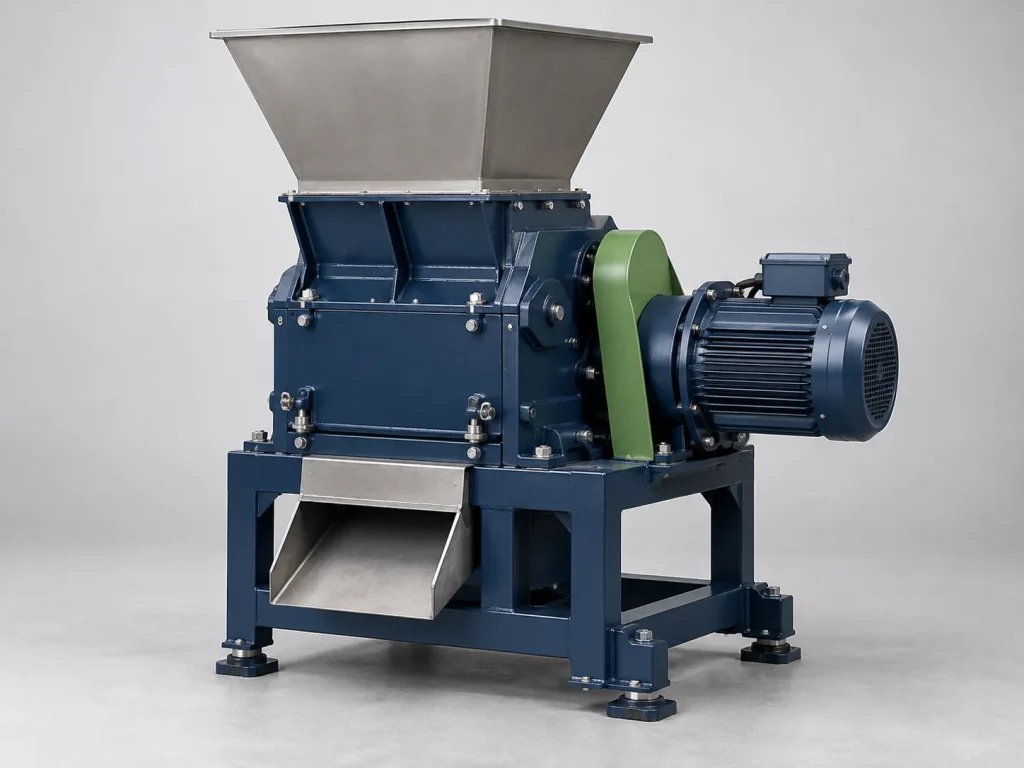
The screen and cutting assembly define the regrind stream sent to washing. Confirm access, spare screens and safe procedures for clearing trapped material.
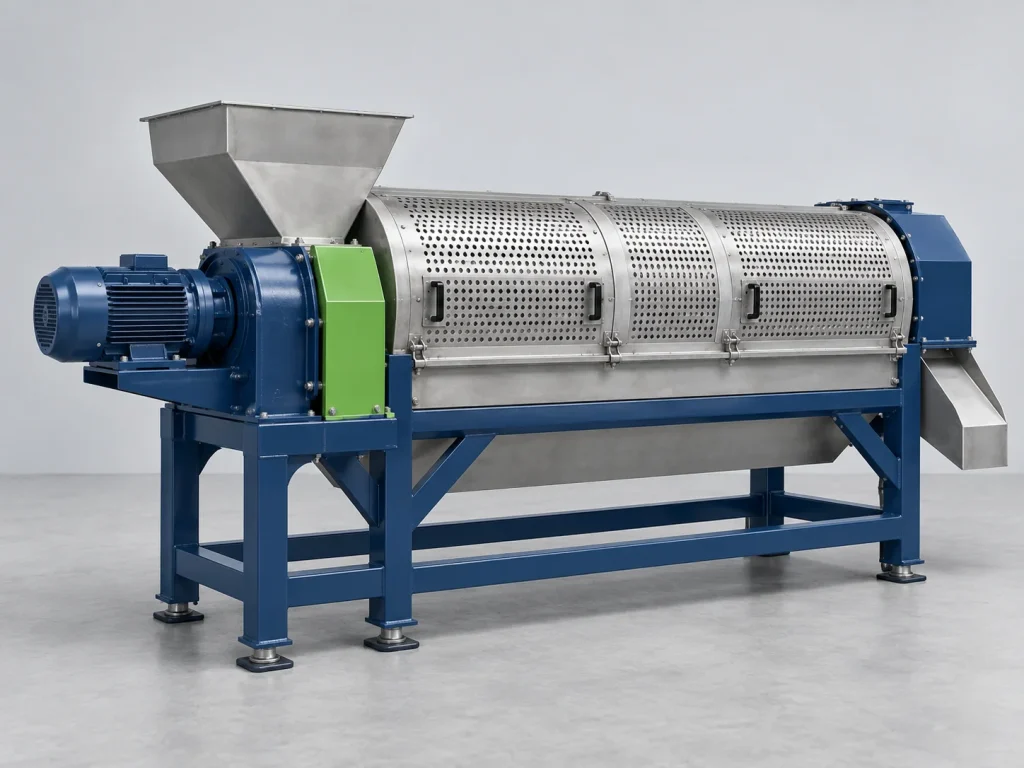
Specify bearing, seal, drive and lubrication requirements. Ask for the electrical component and PLC schedule rather than assuming a common brand across every model.
Packing, Delivery & Support
Price Influencing Factors
A complete line is priced against a defined equipment and service scope. Send the details below for an itemized quotation.
Input volume and the required saleable output affect equipment size, buffer capacity, drives and the number of process stages.
Dirt, labels, metal, moisture and feedstock form influence preparation, cleaning, separation, wear protection and filtration requirements.
Automation, heating, water handling, electrical supply, floor space and interfaces with existing machines change the equipment and engineering scope.
Shipping terms, packing, commissioning, training and the initial spare-parts package should be compared on the same basis in every quotation.
Frequently Asked Questions
No single process suits every previous content. Identify oils, chemicals and any regulated residues before equipment selection. The handling and cleaning route must be reviewed for that declared input.
Both can be considered for rigid-plastic projects, but mixing them changes the recycled material specification. Sort or control the polymer stream according to the intended downstream product.
Send photos or a sample description of your incoming material, target capacity, desired output, local electrical supply and available floor space. Include the required delivery location and any existing machines.
Provide a dimensioned floor plan with doors, columns, clear height, utility points and maintenance access. The process layout and connection heights can then be reviewed before the equipment schedule is finalized.
Confirm the required documents, their scope, warranty period and service responsibilities in the quotation and sales agreement. A document for one component or project does not automatically cover every configuration.
Request an initial spares list based on the selected machine models, material abrasiveness and operating hours. Confirm part numbers and wear limits so replacements match the installed equipment.
Related Equipment
Explore the material requirements and wider process options in the related solution.
Explore the Recycling Solution ↗Get a Free Quote
Share your material, target capacity, output requirement and available space. Our team can review the equipment scope with you.