 AI concept material01
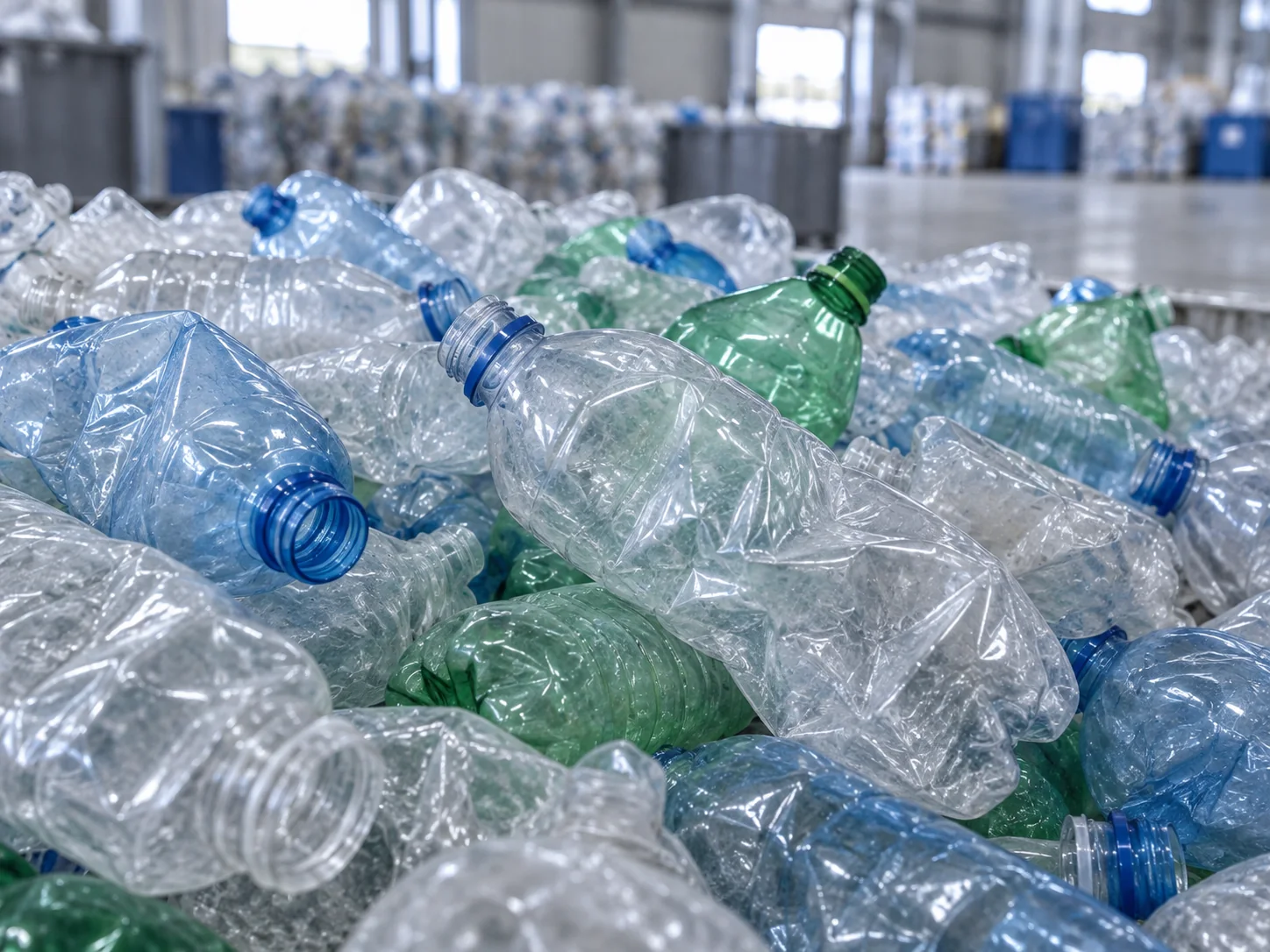
Bottle Feedstock
PET Bottles
TypicalBeverage bottles · water bottles · post-consumer containers
ChallengeLabels · caps · glue · dirt
Typical outputClean PET Flakes
Explore PET Bottles ↗Plastic Recycling Materials
Start with your waste material. Rayli helps determine the right shredding, washing, drying and pelletizing process according to its form, contamination and required final output.
Material→Process→Output
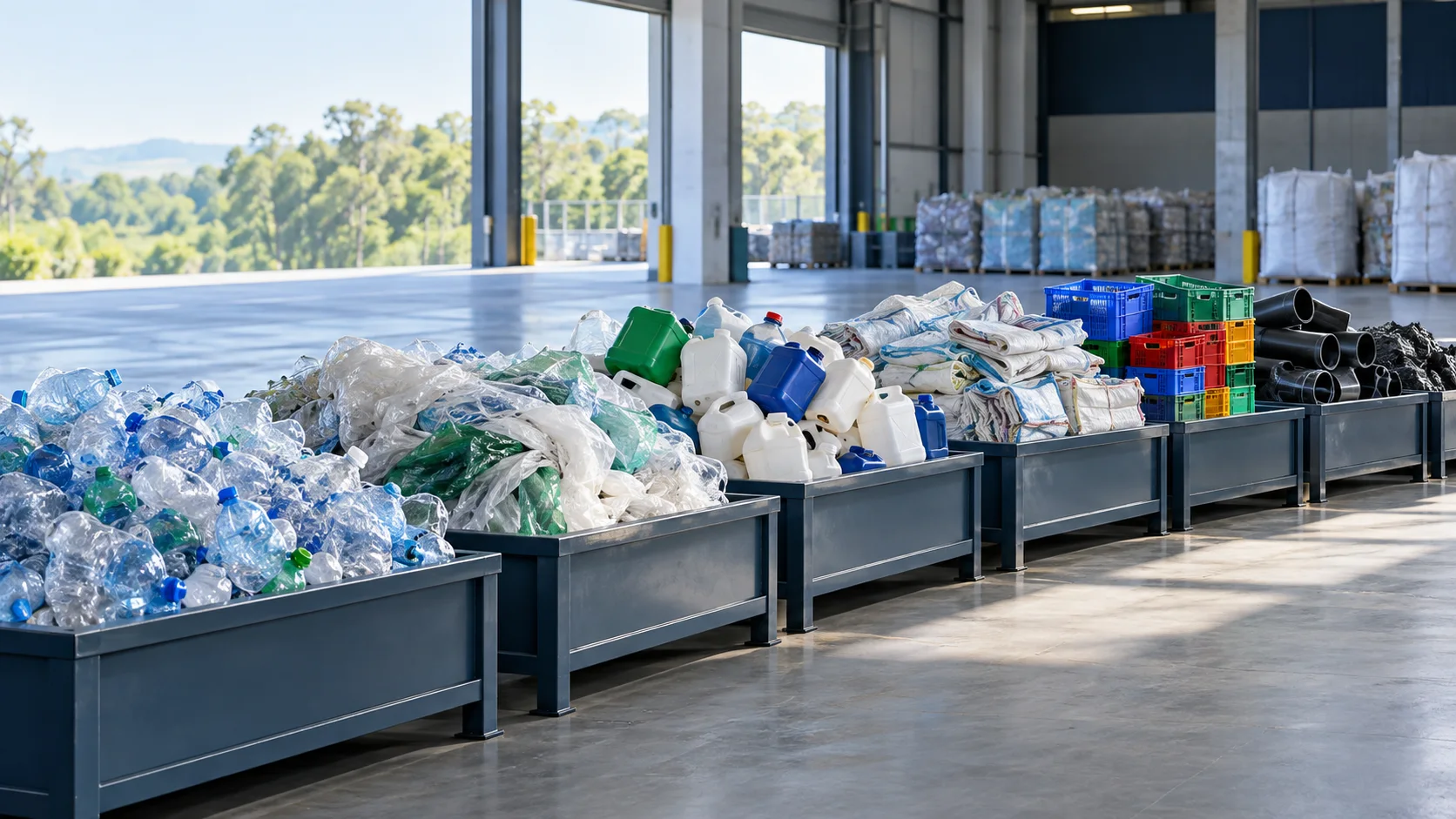
AI concept visual · sorted materials are illustrative, not Rayli samples
Material Categories
Choose the material closest to your feedstock to see the recommended recycling route.
AI concept material01
Bottle Feedstock
TypicalBeverage bottles · water bottles · post-consumer containers
ChallengeLabels · caps · glue · dirt
Typical outputClean PET Flakes
Explore PET Bottles ↗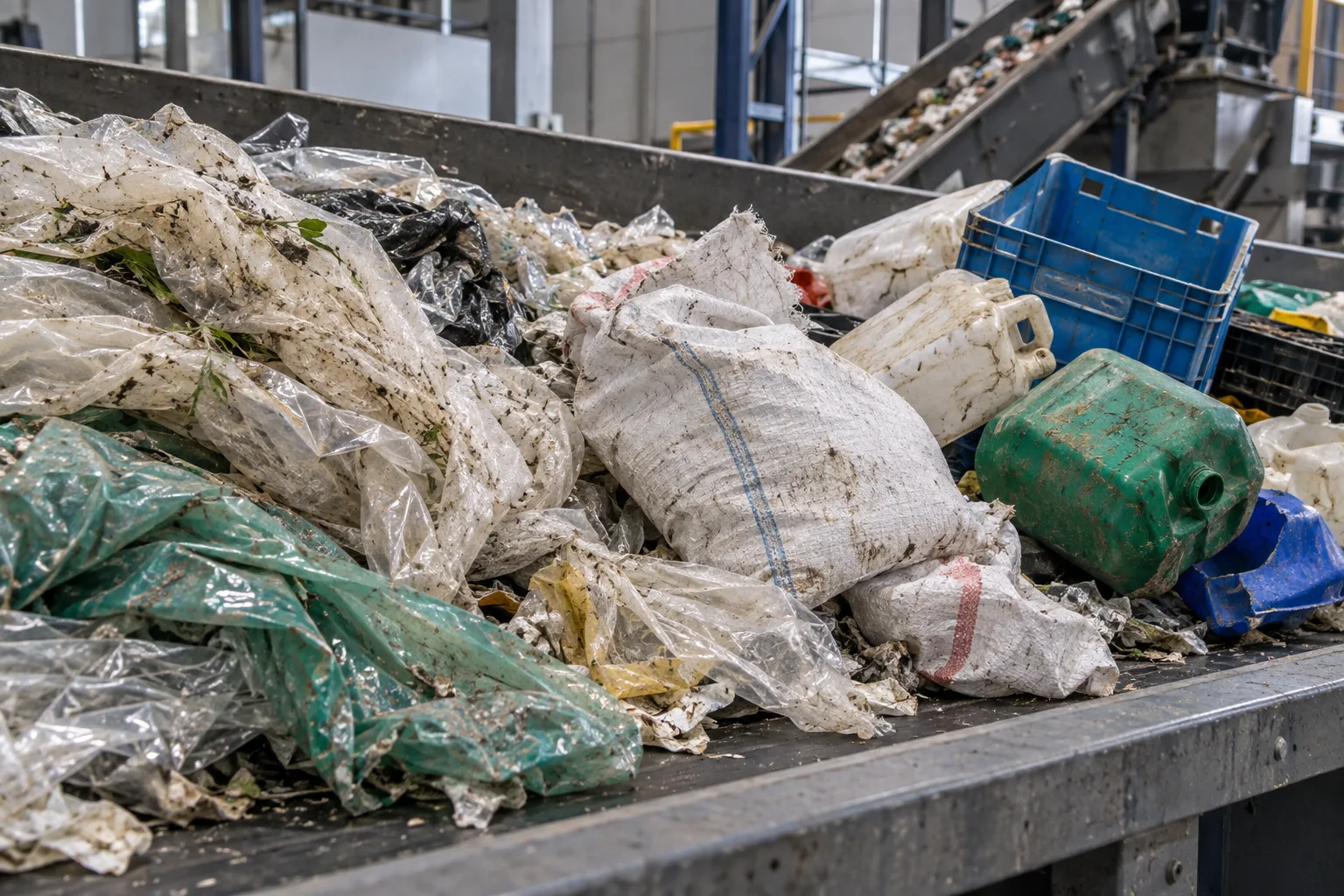 AI concept material02
Flexible Feedstock
TypicalAgricultural film · packaging film · stretch film · bags
ChallengeLow bulk density · sand · soil · high moisture
Typical outputClean Film / Pelletizing Feedstock
Explore PP / PE Film ↗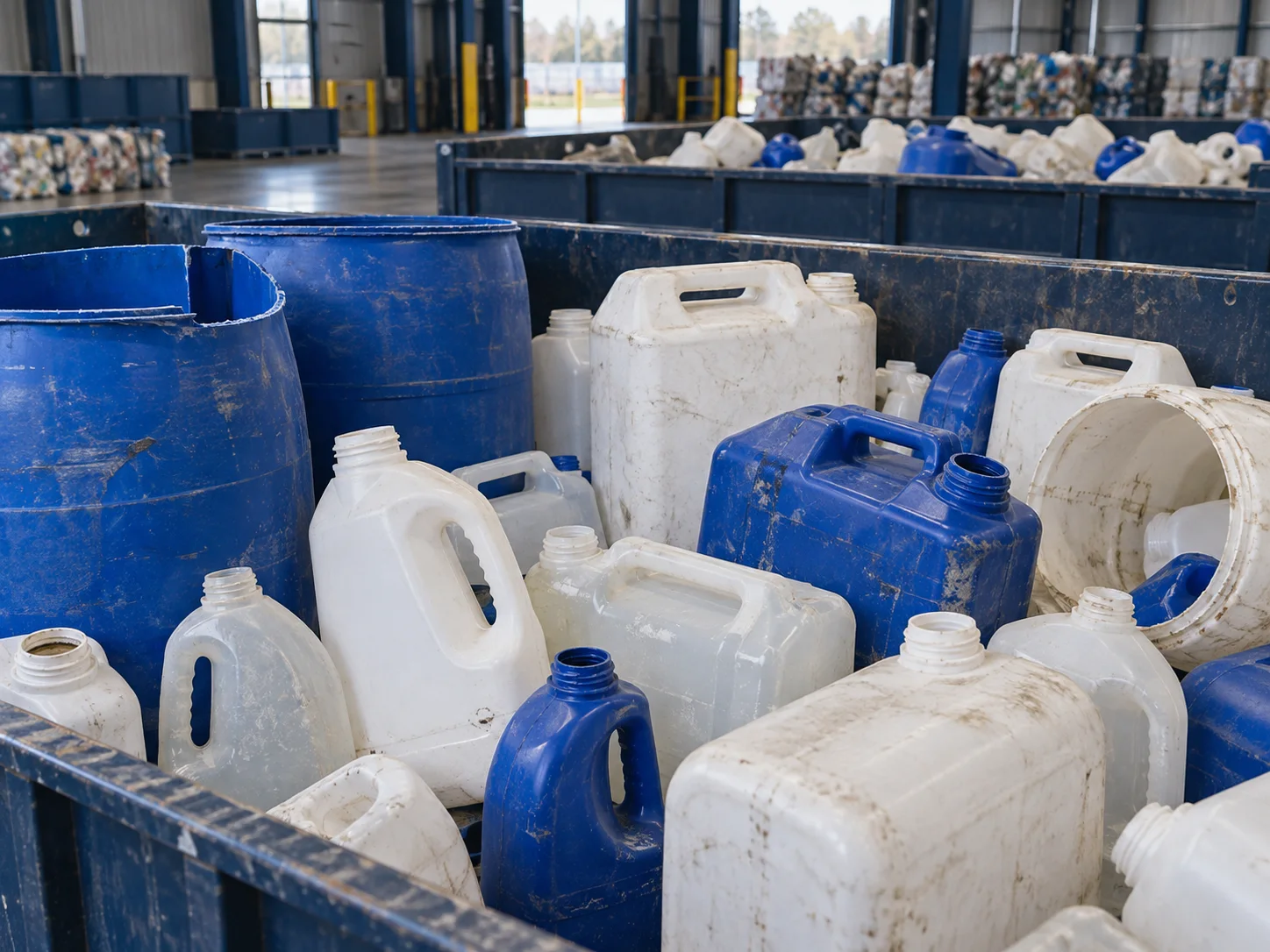 AI concept material03
Container Feedstock
TypicalBottles · drums · chemical and household containers
ChallengeLabels · oil · dirt · varying container size
Typical outputClean HDPE Flakes
Explore HDPE Containers ↗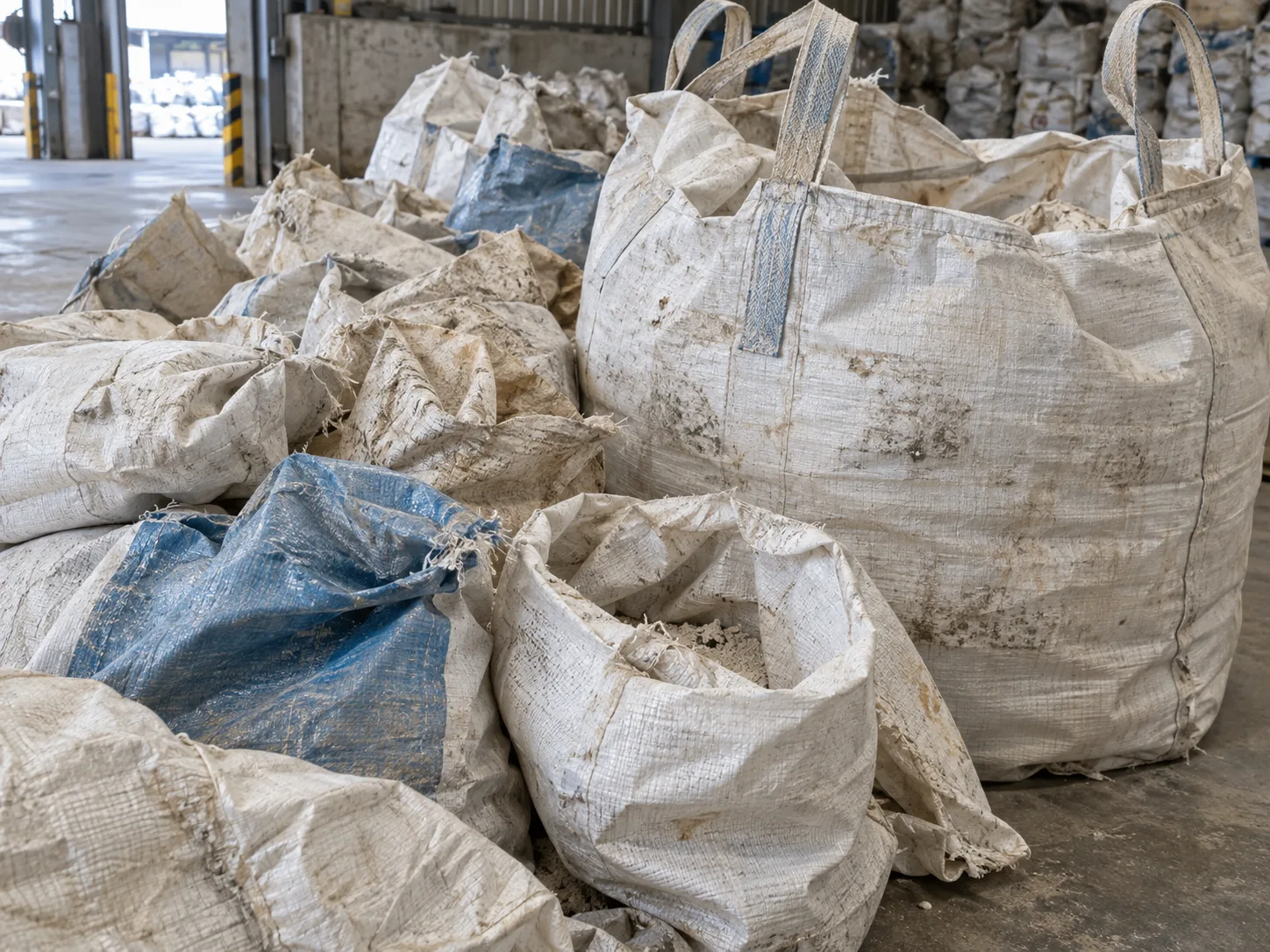 AI concept material04
Woven Feedstock
TypicalWoven sacks · jumbo bags · industrial big bags
ChallengeTough structure · tangling · dust · product residue
Typical outputClean PP Material / Pelletizing Feedstock
Explore Woven Bags ↗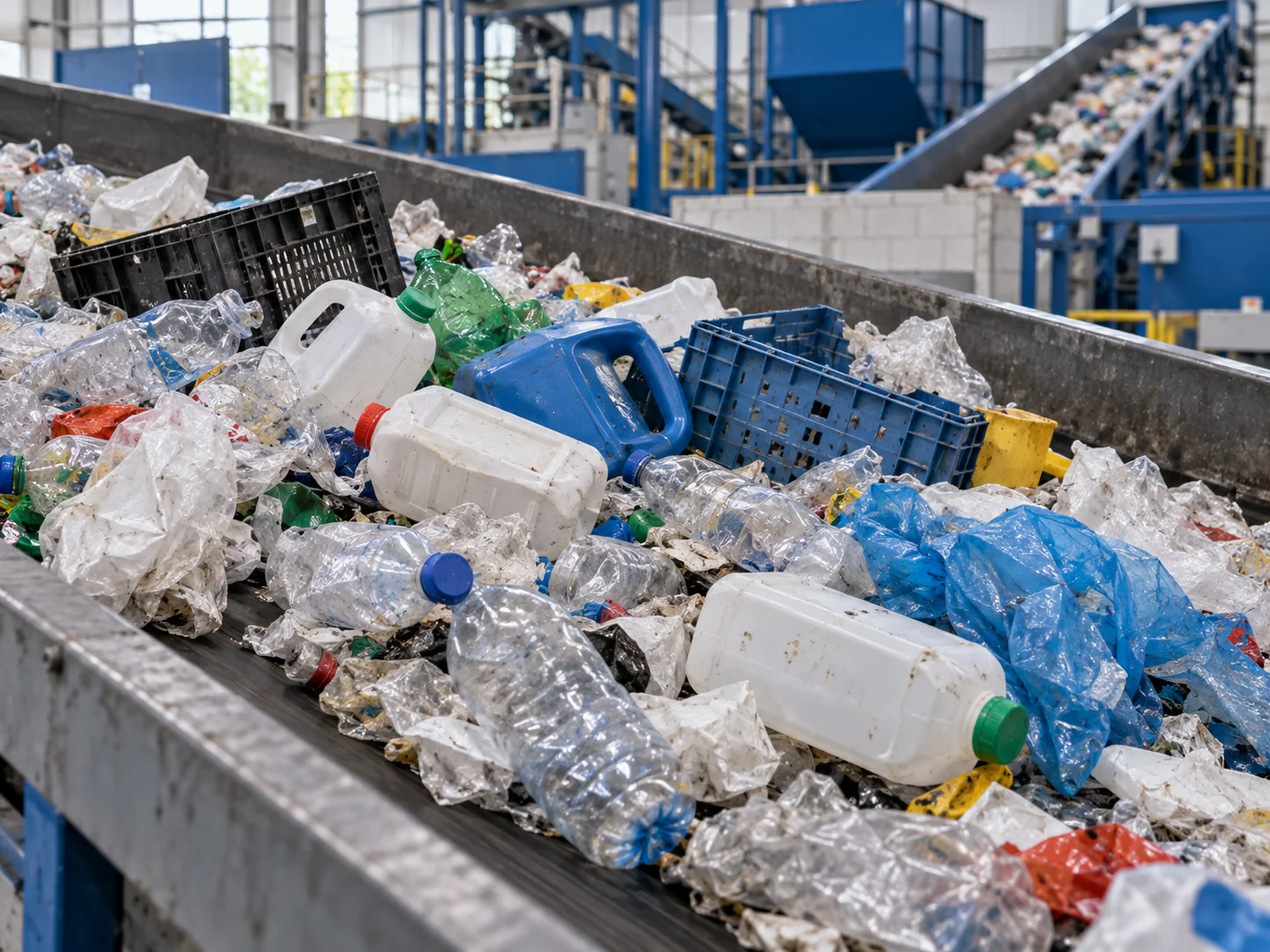 AI concept material05
Mixed Rigid Feedstock
TypicalPP crates · containers · household plastic · injection scrap
ChallengeMixed shapes · size reduction · mixed materials
Typical outputClean Rigid Plastic Flakes
Explore Rigid Plastics ↗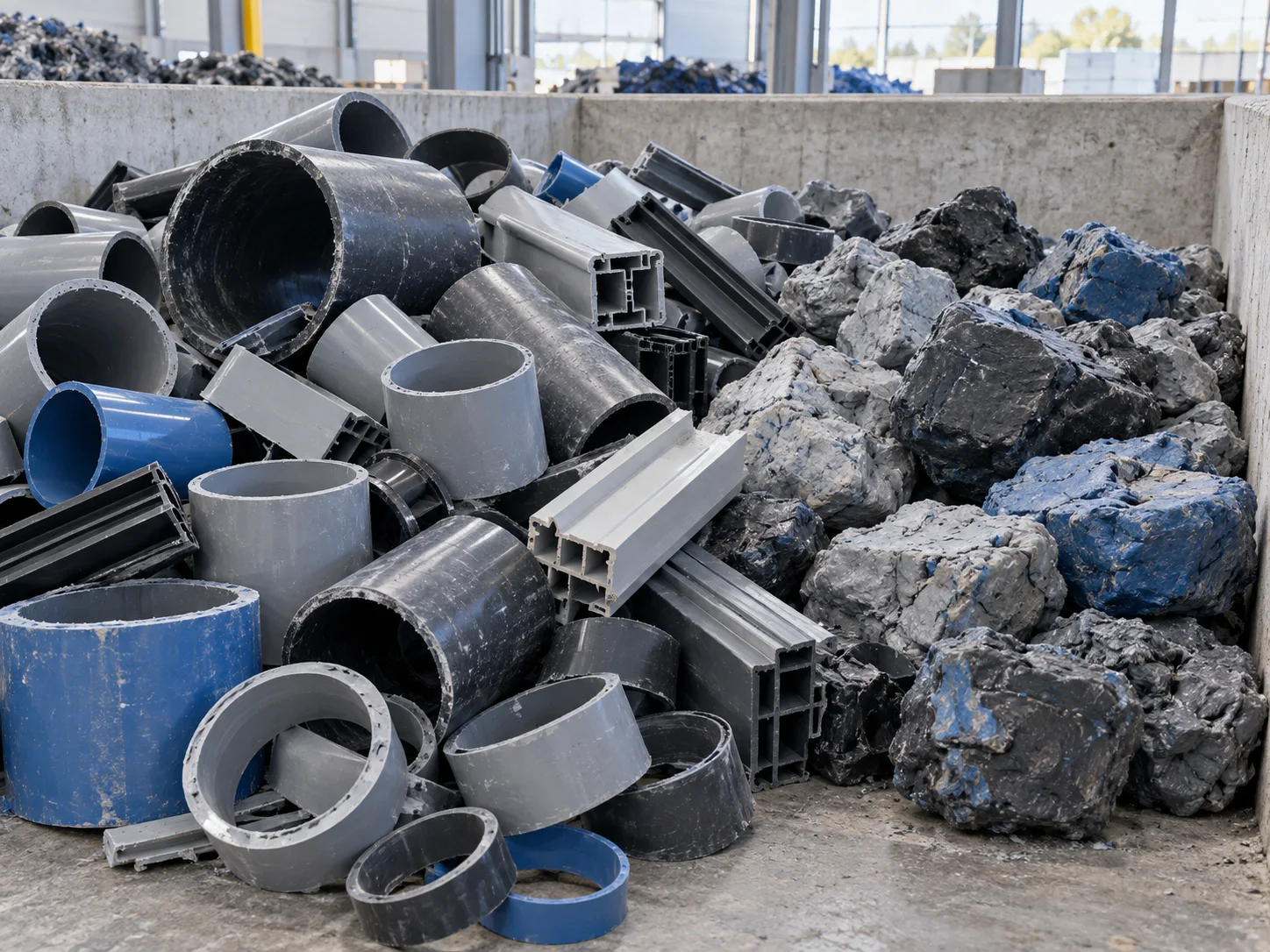 AI concept material06
Industrial Scrap
TypicalPlastic pipes · profiles · purge waste · industrial scrap
ChallengeLarge size · thick walls · high density · irregular shapes
Typical outputSize-Reduced Material / Pelletizing Feedstock
Ask About Other Plastics ↗From Waste to Reusable Material
The desired final material helps define the process and equipment configuration.
Waste PET Bottles
PET Washing
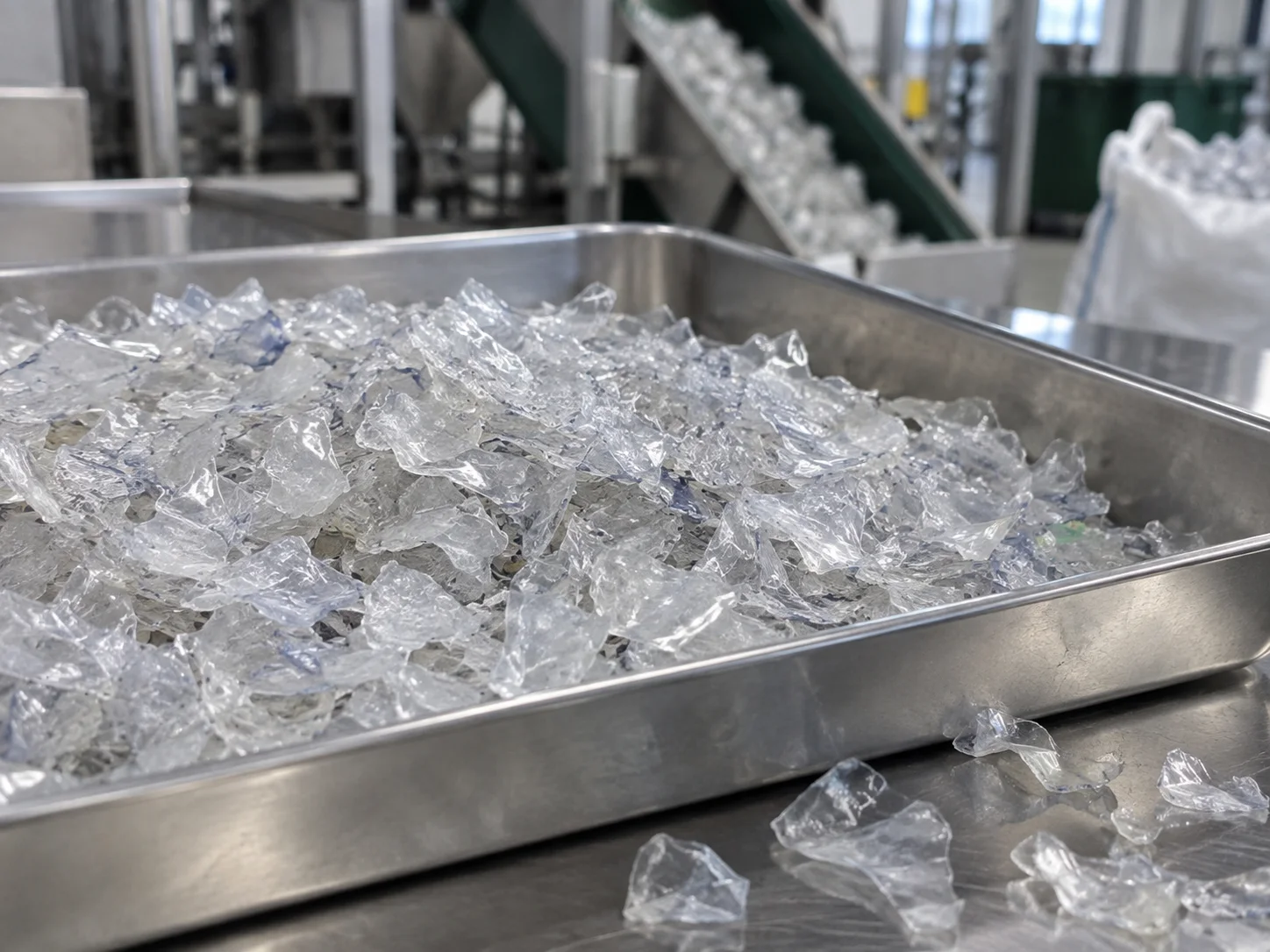 Clean PET Flakes
Waste Film
Clean PET Flakes
Waste Film
Wash + Dry
Optional Pelletizing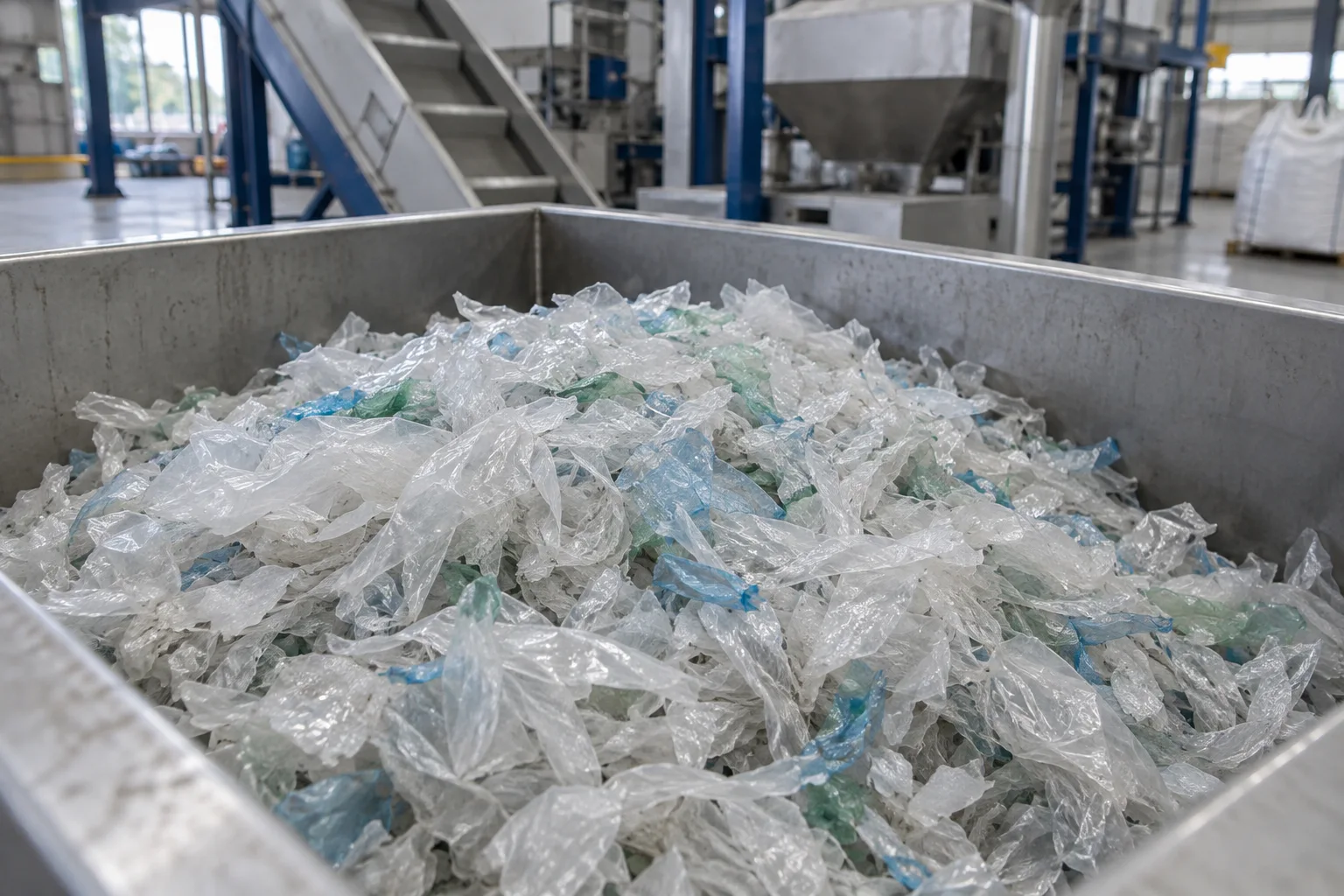 Clean Film
Rigid Plastic
Clean Film
Rigid Plastic
Shred + Wash
Optional Pelletizing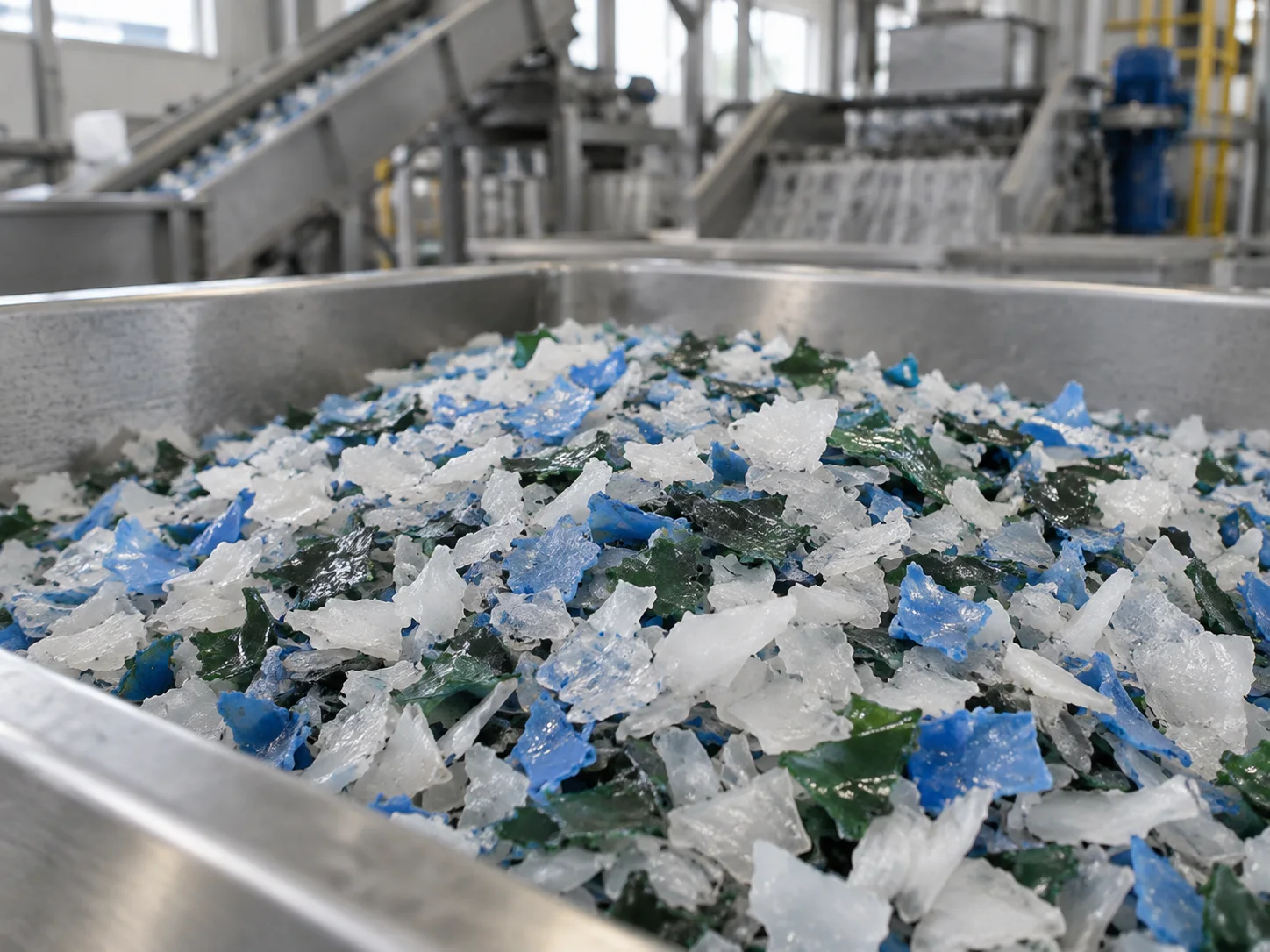 Clean Rigid Flakes
Woven Bags / FIBC
Clean Rigid Flakes
Woven Bags / FIBC
Shred + Wash + Squeeze
Optional Pelletizing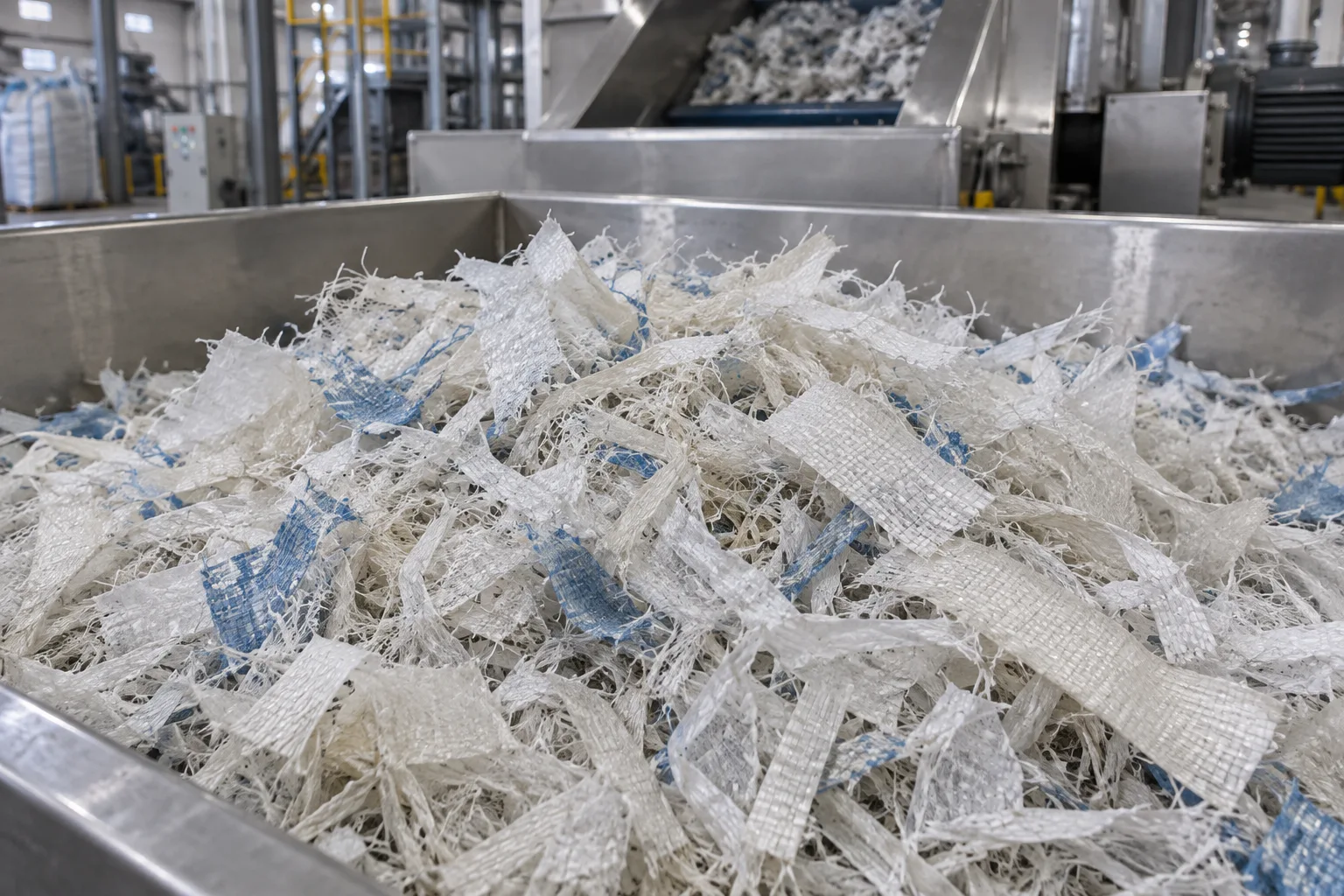 Clean PP Feedstock
AI concept visuals · materials and recycled outputs are illustrative, not verified Rayli samples.
Process planning principleThe final product should be defined before the recycling line is configured.
Why Material Matters
Material shape, density, contamination and moisture behavior directly influence the recycling route.
Input variable
Handling variable
Cleaning variable
Specification variable
Material exampleDirty agricultural film and clean post-industrial film may both be PE, but they require very different recycling configurations.
Size exampleLarge HDPE drums may require shredding before crushing, while smaller bottles can use a more compact size-reduction process.
Find the Right Recycling Route
Once the material and target output are clear, the recycling process becomes easier to define.
Already have clean washed material?
Explore the Plastic Pelletizing SolutionNot Sure How to Classify Your Material?
Tell us what material you have — or send photos, videos and basic project information. Rayli can help identify the recycling route and recommend the required process.