
 AI concept materialSoil / Outdoor Use
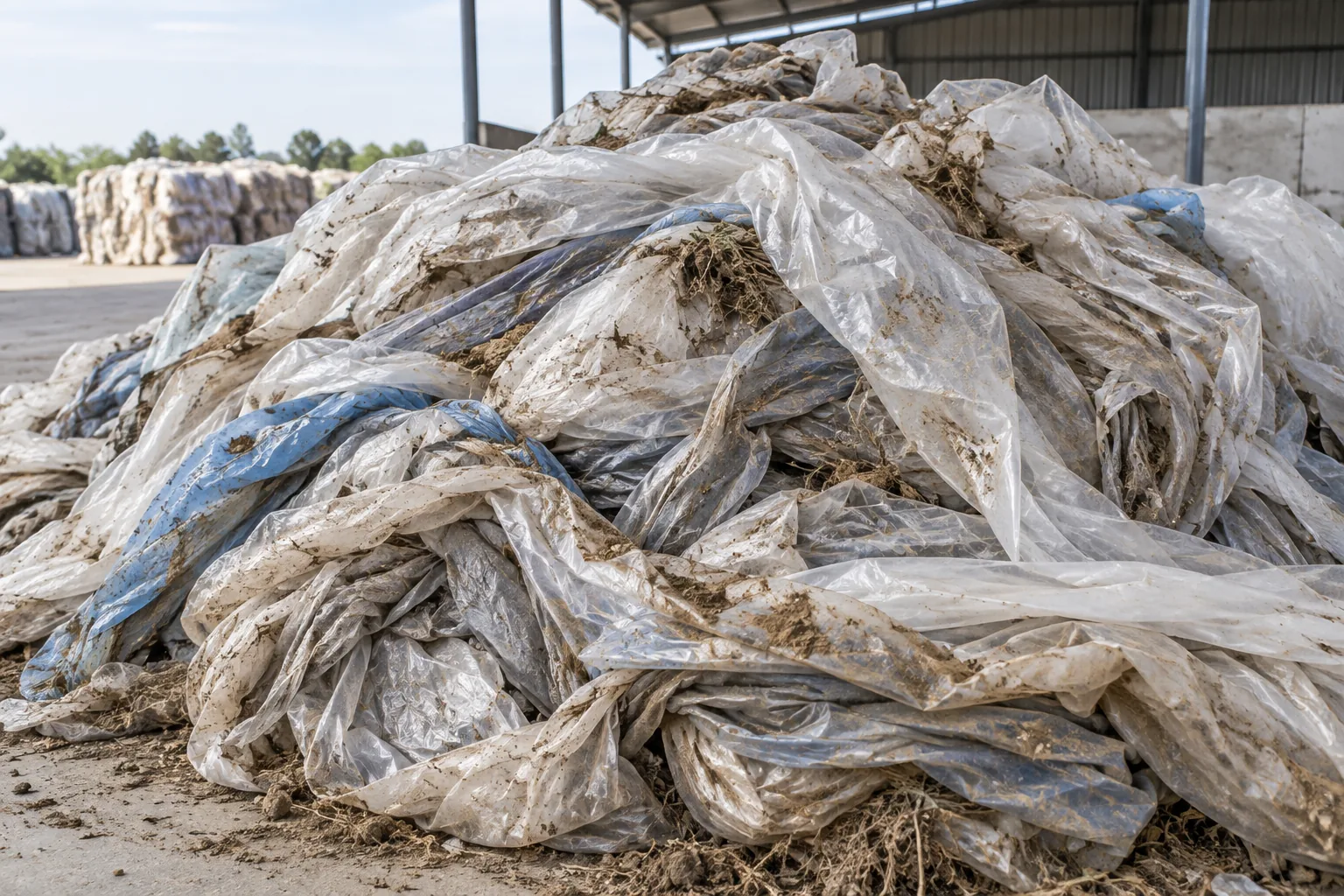
01 / AGRICULTURAL
Agricultural Film
Mulch and greenhouse film often carries soil, sand, moisture and outdoor residue, requiring stronger pre-washing and separation.
Flexible Plastic Recycling Material
Flexible PP and PE film waste requires a recycling process designed around low bulk density, contamination, moisture retention and stable material handling. Depending on the target output, the material can be prepared as clean film feedstock or further processed into recycled pellets.
AI concept material · illustrative feedstock, not a Rayli sample
Material Profile
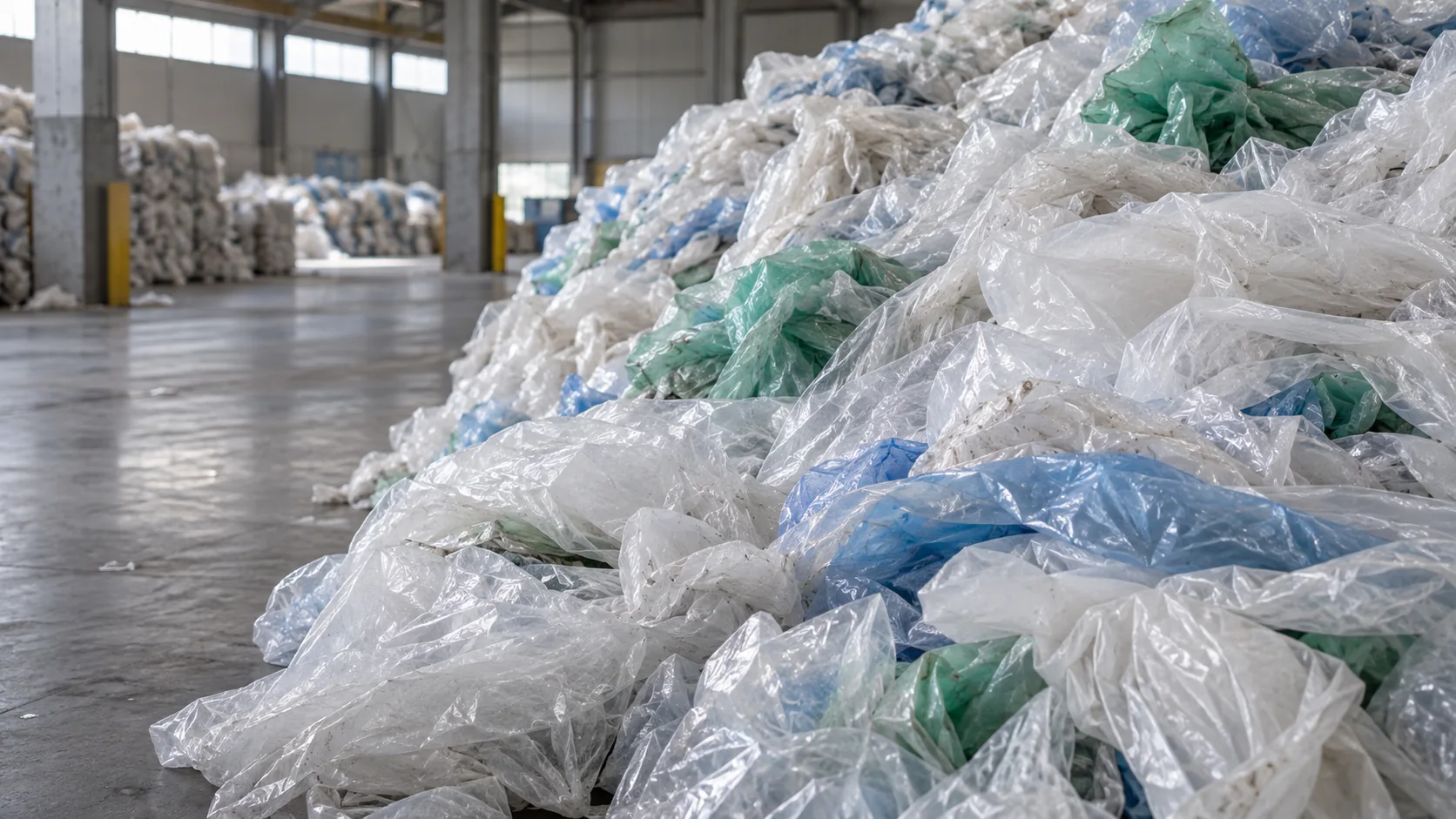
Flexible plastic film can come from agriculture, packaging, logistics and industrial production, with very different contamination levels and handling characteristics.
AI concept materialSoil / Outdoor Use
01 / AGRICULTURAL
Mulch and greenhouse film often carries soil, sand, moisture and outdoor residue, requiring stronger pre-washing and separation.
 AI concept materialPackaging / Bags
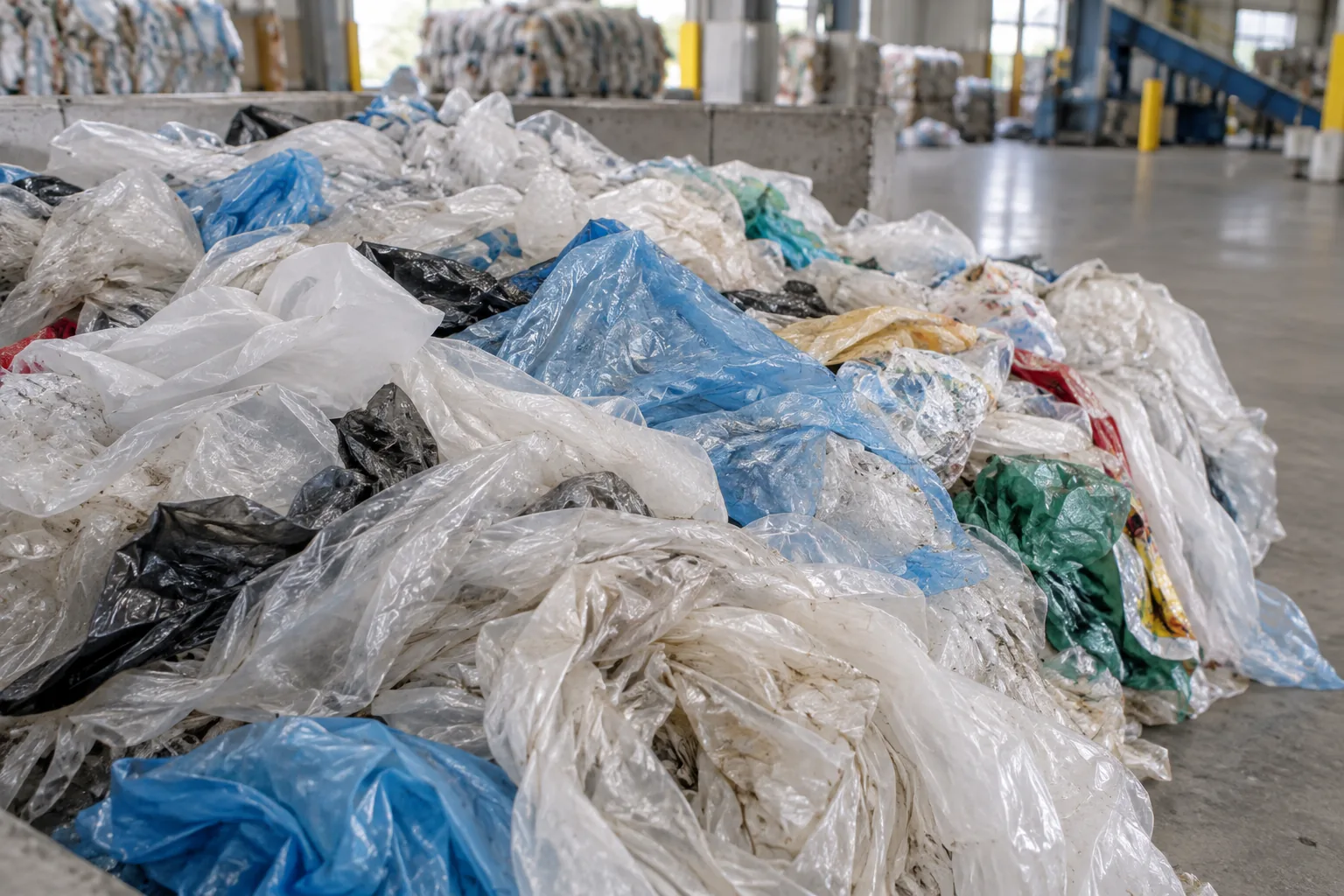
02 / POST-CONSUMER
Packaging film and shopping bags may include labels, dirt, mixed flexible plastics and residual contents.
 AI concept materialBulky / Lightweight
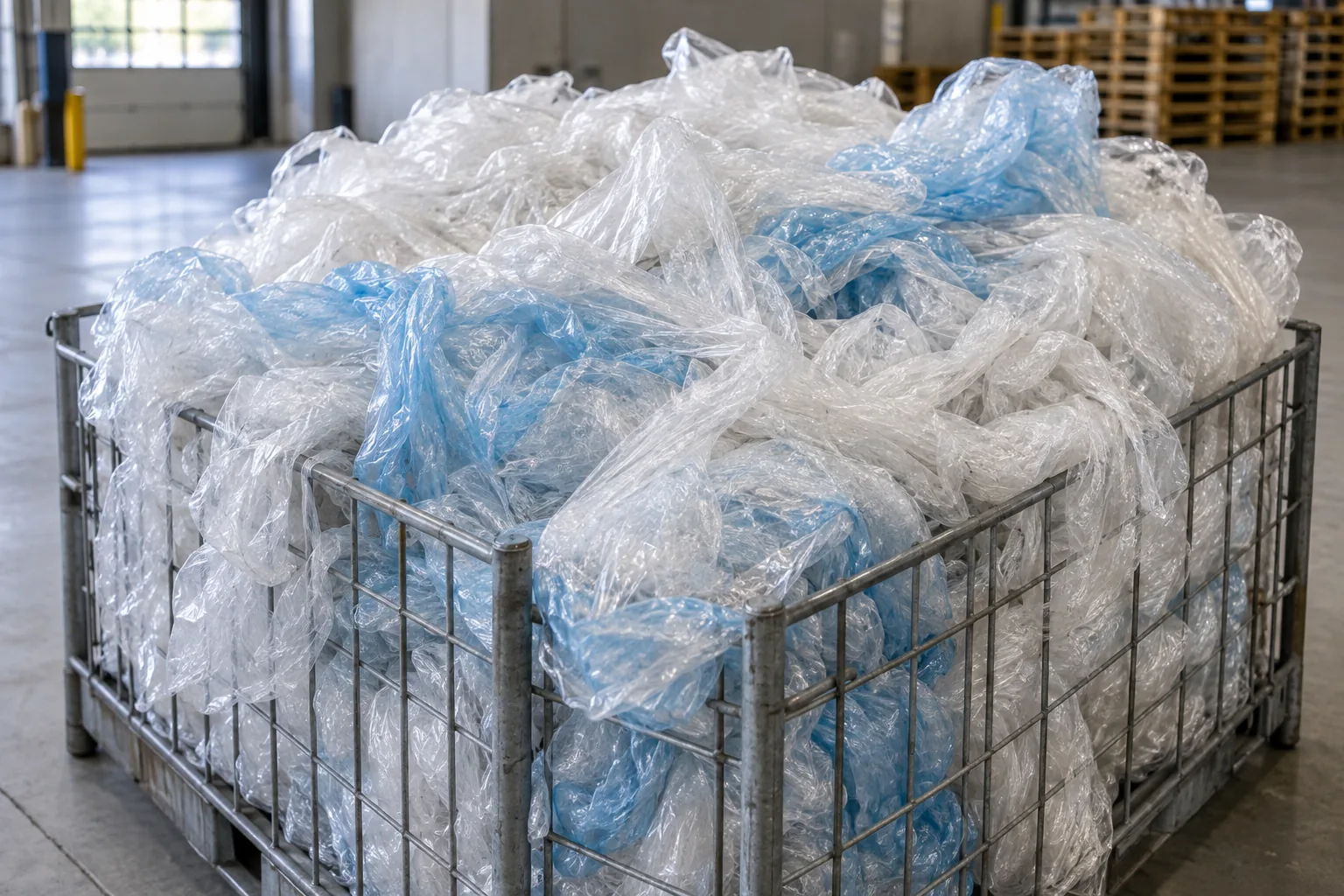
03 / LOGISTICS
Lightweight pallet wrap has low bulk density and can be difficult to feed and handle consistently.
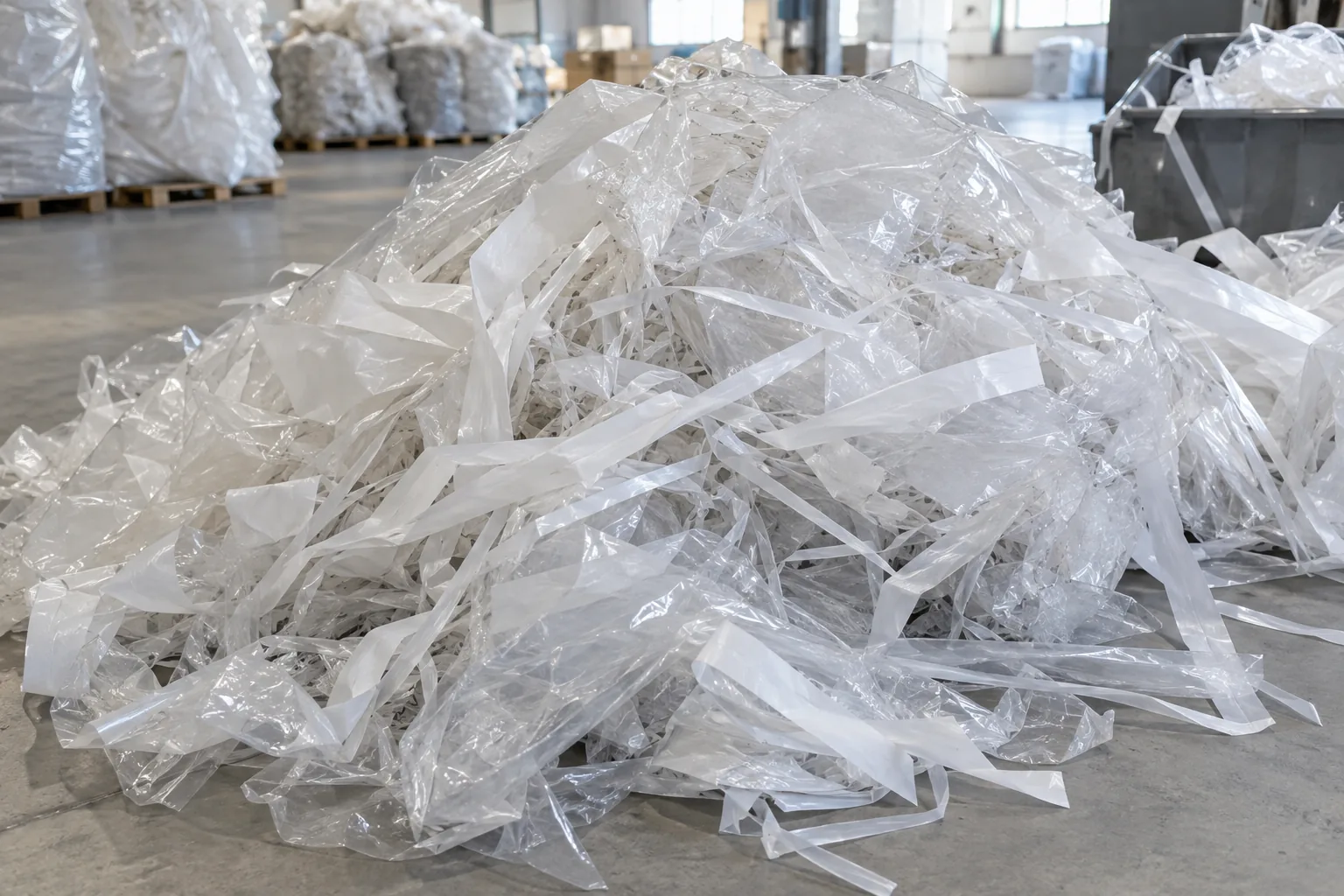 AI concept materialCleaner Production Scrap
04 / POST-INDUSTRIAL
Cleaner production offcuts may need less intensive washing but still require stable feeding and downstream preparation.
Typical Film Stream
The same PP / PE film family can have very different contamination and handling conditions.
Recycling Challenges
Flexible film behaves differently from bottles and rigid plastics during feeding, washing, dewatering and downstream processing.
Soiled Feedstock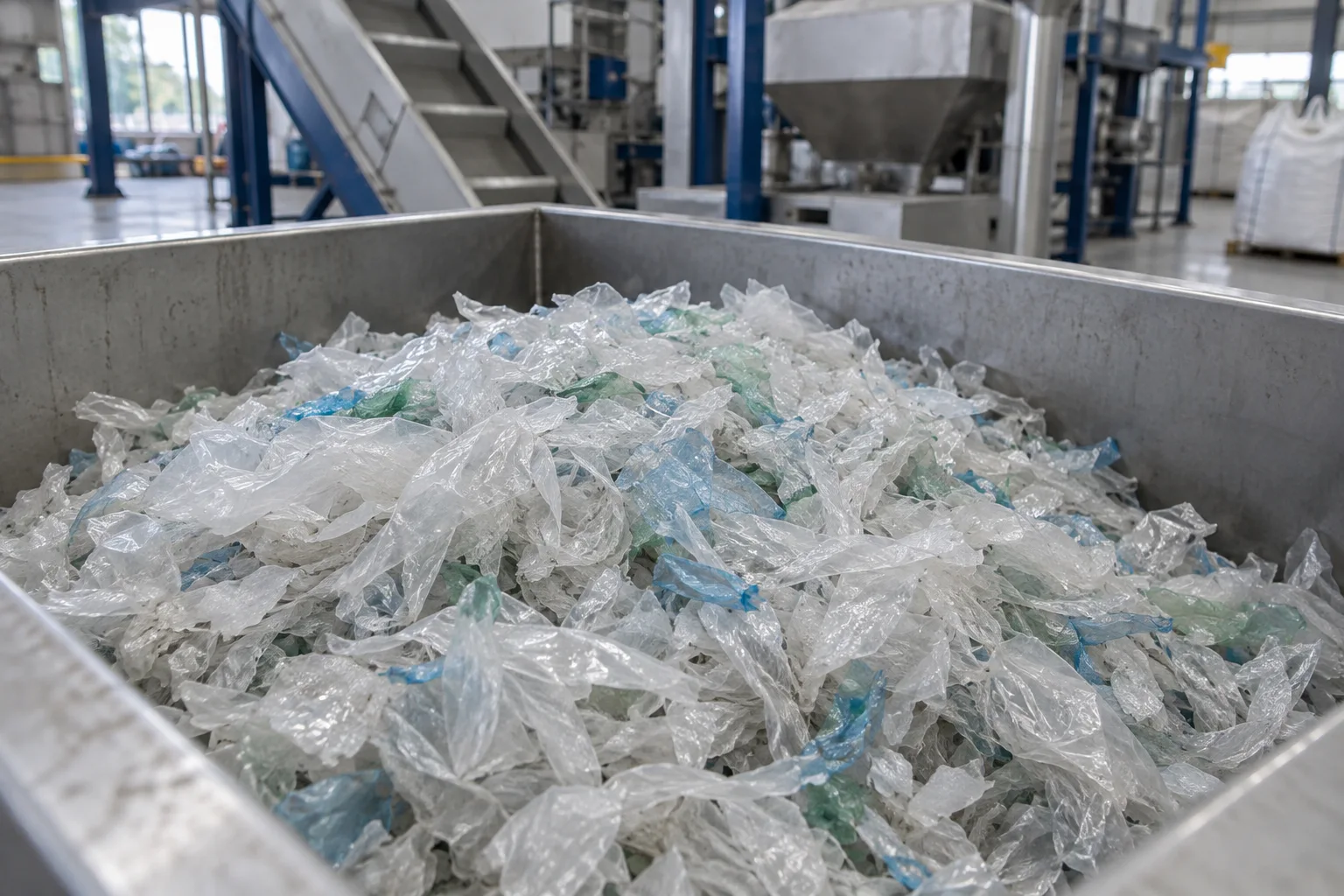 Washed / Prepared
Lightweight film occupies a large volume relative to its weight, making stable feeding and material handling more difficult.
Soft film can wrap around rotating components or form unstable material bundles if size reduction and feeding are not configured correctly.
Agricultural and post-consumer film may carry soil, sand and attached contamination that require stronger pre-washing than cleaner industrial film.
Flexible film can retain significant water after washing, making dewatering and squeezing important before storage or pelletizing.
Engineering NoteClean post-industrial film and heavily contaminated agricultural film may be the same polymer family but require very different recycling configurations.
Output PlanningThe final process should be designed according to both contamination level and target output — clean film or recycled pellets.
Target Outputs
Film recycling can stop after washing and material preparation, or continue into pelletizing depending on the customer's production goal.
For customers who will handle the next production step themselves.
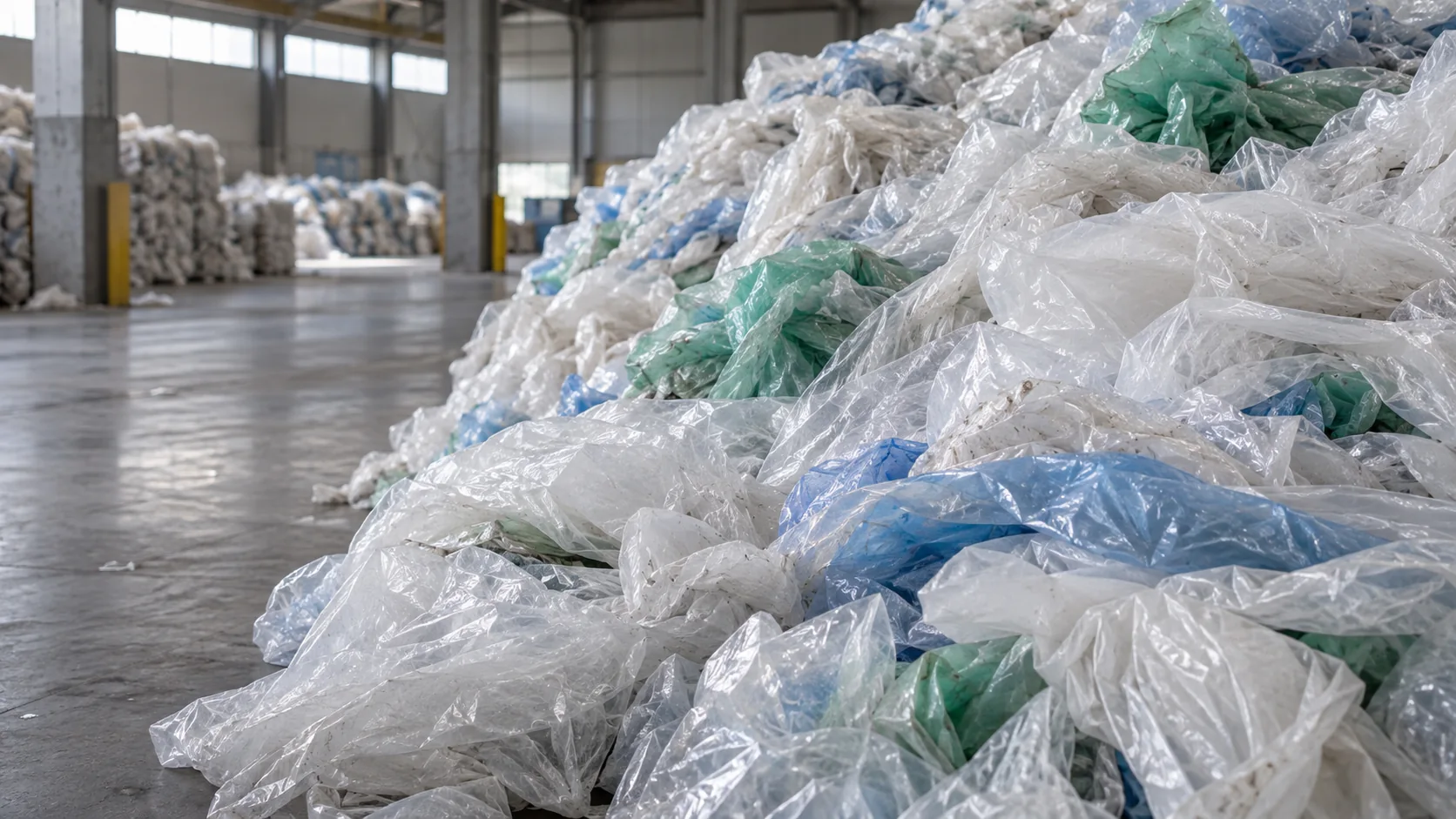 AI concept material
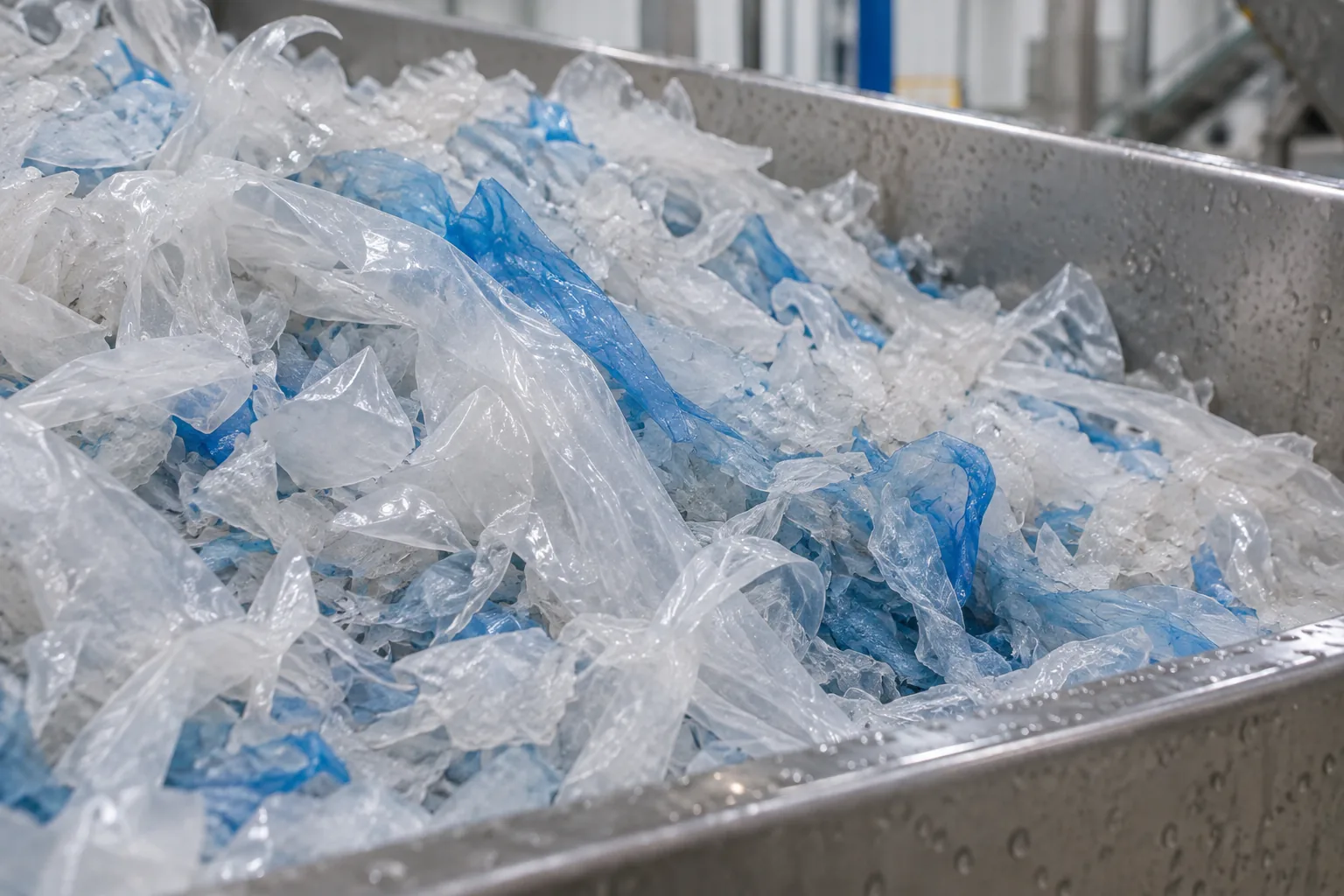 AI concept output
A prepared film stream can be the handoff point before the customer's next processing stage.
For customers looking to combine film washing, moisture reduction and pelletizing.
AI concept material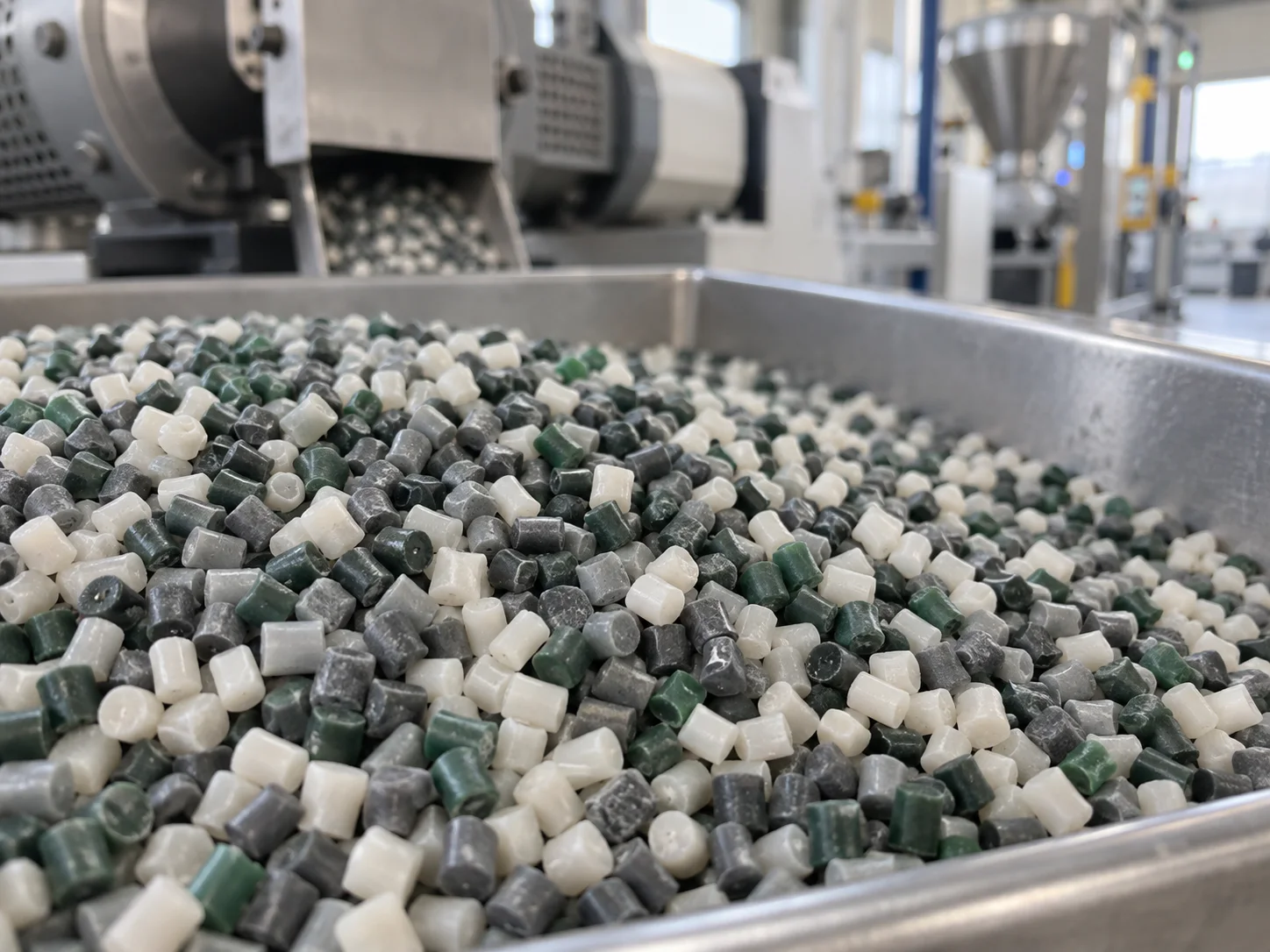 AI concept output
Pellet characteristics depend on feedstock, process configuration and the customer's requirements.
The target output should be confirmed early because it changes the required moisture control and downstream equipment configuration.
Recommended Recycling Route
Rayli configures the recycling process according to film type, contamination, moisture condition, capacity and the required final output.
Prepare the film stream for stable handling and line feeding.
Reduce film to support the next recycling stages.
Address contamination and separate unwanted material.
Reduce moisture retained in flexible film after washing.
Choose the stopping point based on the required output.
Continue to the complete line
Explore a process configured around your film type and target output.
Plan Your Film Recycling Project
Share your film type, contamination condition, required capacity and target output. Photos or videos of the material can help Rayli recommend the appropriate washing, drying and pelletizing configuration.
Photos and short videos of the film waste are especially useful for evaluating contamination and bulk density.