Hard-to-Remove Label Glue
Heavy adhesive residues on PET flakes are hard to clean with regular cold washing.
Our hot washing pot uses hot water and matched cleaning agents to soften and strip stubborn glue efficiently.
Hot Washing Stage
Our PET hot washing pot is designed to remove stubborn adhesive residues and label contaminants from PET bottle flakes through hot-water soaking and continuous agitation.
Share your material photos, target capacity and installation requirements for an equipment recommendation.
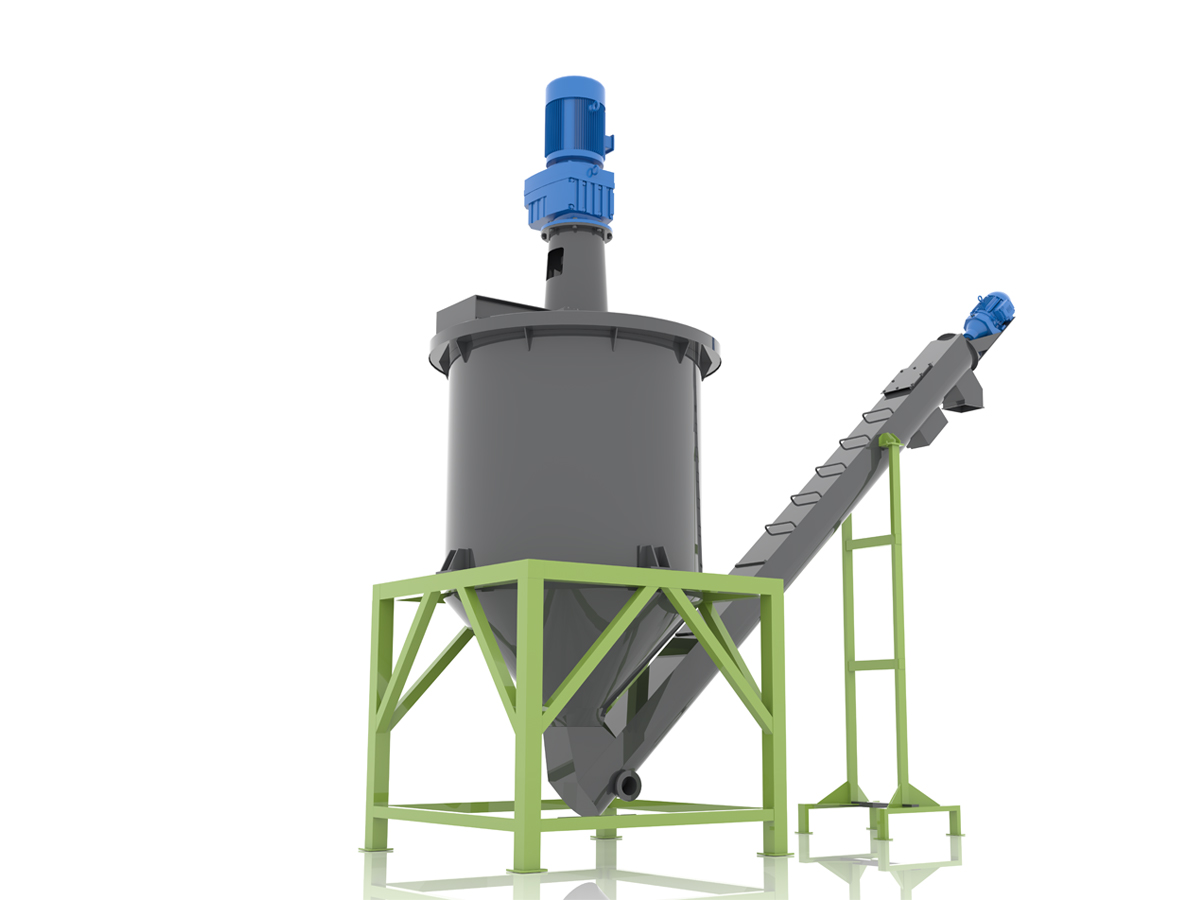
Hot washing pot · illustrative equipment
Product Overview
Heavy adhesive residues on PET flakes are hard to clean with regular cold washing.
Our hot washing pot uses hot water and matched cleaning agents to soften and strip stubborn glue efficiently.
Single washing process cannot fully remove contaminants, resulting in inconsistent flake cleanliness.
It works well with friction washing, sink-float separation and fresh water rinsing to raise final flake quality.
Customers want hot washing function but cannot afford to replace their whole existing recycling line.
This hot washing tank can be retrofitted into your current PET washing line after capacity and layout evaluation.
Restricted power or steam supply makes it hard to find a compatible heating setup for recycling equipment.
Multiple heating modes are available — steam boiler, steam generator or electromagnetic heating for your site conditions.
Key Features
Our hot washing process softens and strips stubborn adhesive residues from PET bottle flakes.
The 12 rpm low-speed agitator ensures even soaking. Loosened label scraps float and discharge through the side outlet.
Support steam heating, electromagnetic induction heating and other heating solutions to match your site conditions.
Tank size, capacity and heating setup can be customized to fit your specific recycling project.
Technical Details
Technical values are shown only when confirmed for this product profile. Final selection depends on your material and process.
Swipe horizontally to compare all columns
| Parameter | Specification |
|---|---|
| Application | PET bottle flake hot washing |
| Operating Temperature | Approx. 90°C |
| Soaking Time | Approx. 45 minutes |
| Agitator Speed | Approx. 12 rpm |
| Cleaning Chemicals | NaOH + PET cleaning powder |
| Typical NaOH Concentration | Approx. 2% |
| Heating Methods | Steam / Electromagnetic induction / Other suitable systems |
| Label Discharge | Side outlet |
| Tank Capacity & Dimensions | Customized |
| Drive System | Motor, gearbox, shaft and blades |
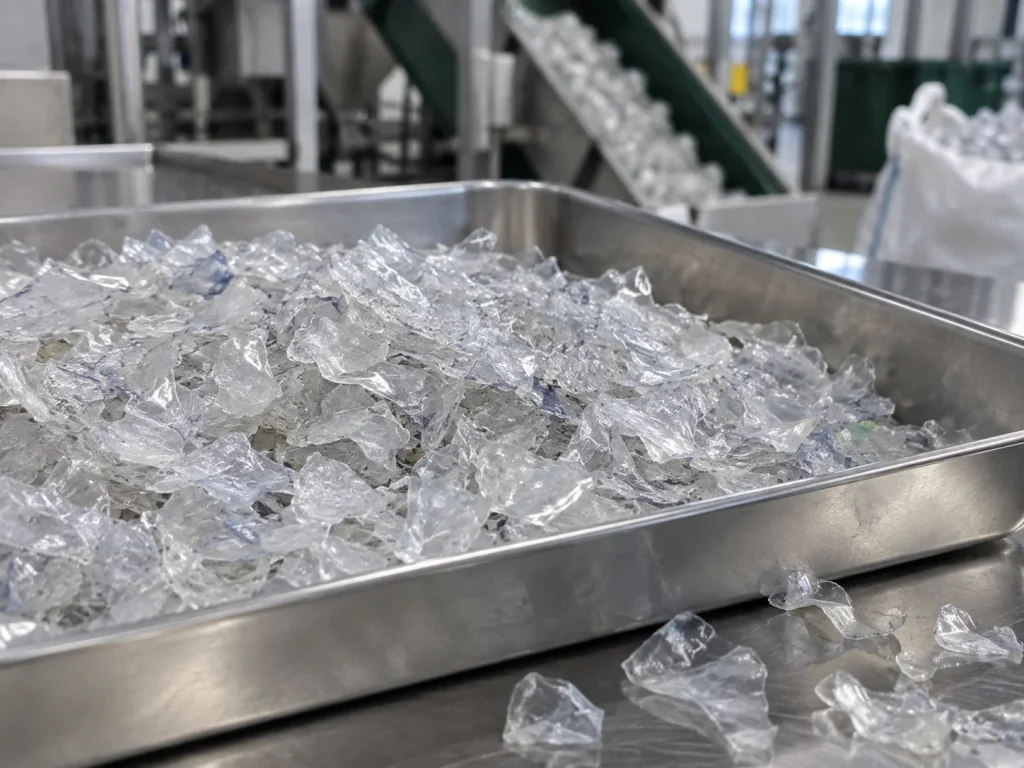
Suitable for post-consumer PET bottle flakes, transparent and mixed-color PET flakes with label adhesive residues. Cleaning results vary by adhesive type, contamination level and washing conditions.
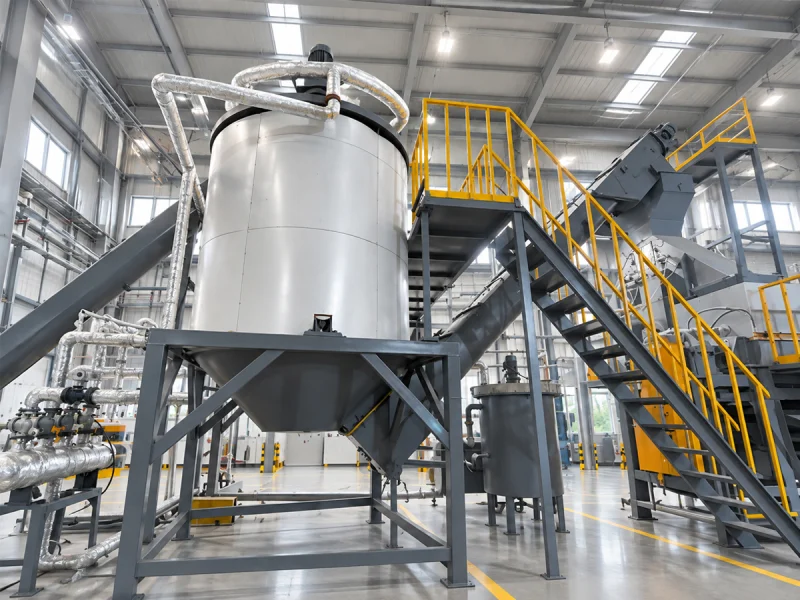
Suitable for PET bottle recycling plants, PET flake producers, new PET washing line projects, and existing factories that need to upgrade from cold washing to hot washing for better adhesive removal.
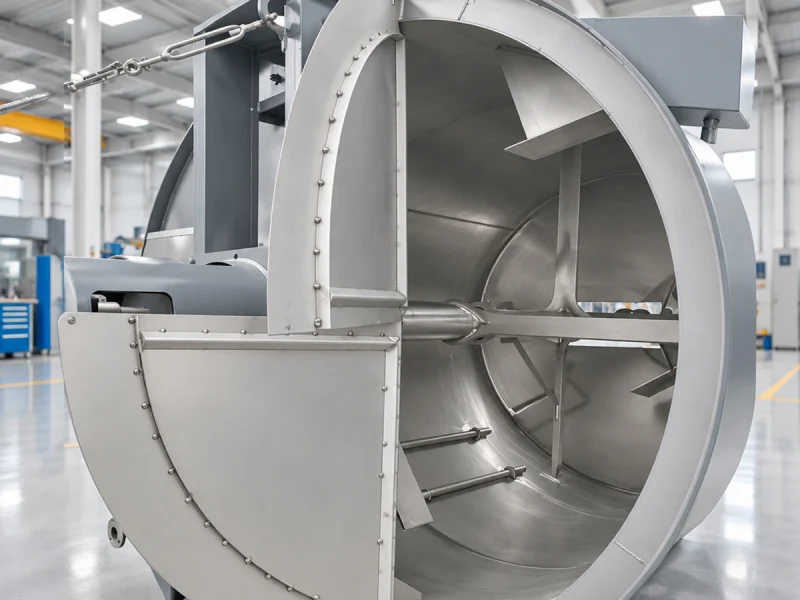
Continuously stir PET flakes in hot cleaning liquid to loosen adhesive residues and ensure uniform washing.
Inspect blades for wear regularly; clean after shutdown to prevent material buildup.
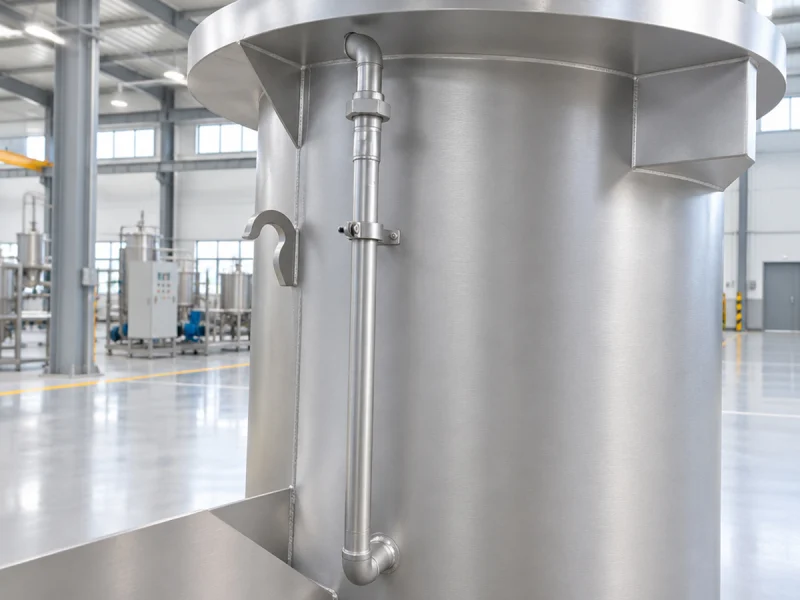
Remove floating label scraps separated from PET flakes during hot washing.
Clear blockages frequently; check the sealing condition to avoid water leakage.
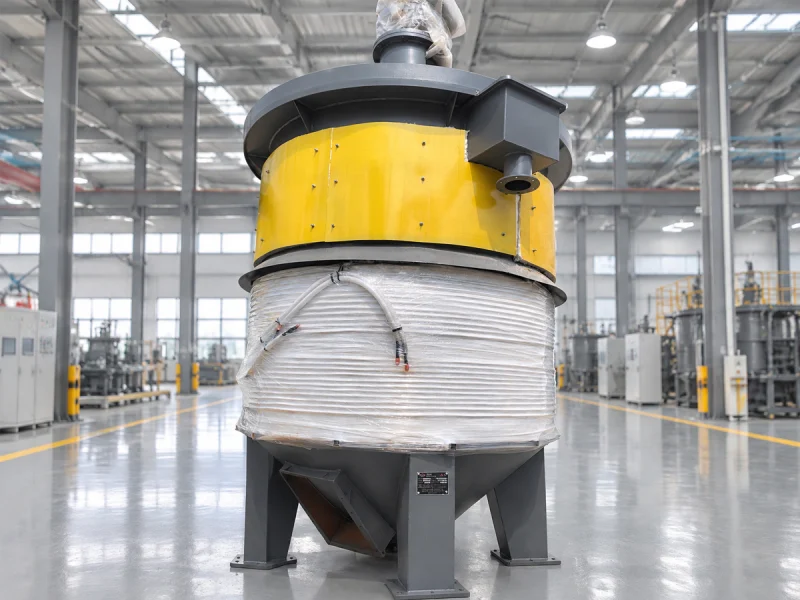
Supports steam and electromagnetic induction heating to maintain stable washing temperature.
Descaling periodically; check pipelines and sensors for normal operation.
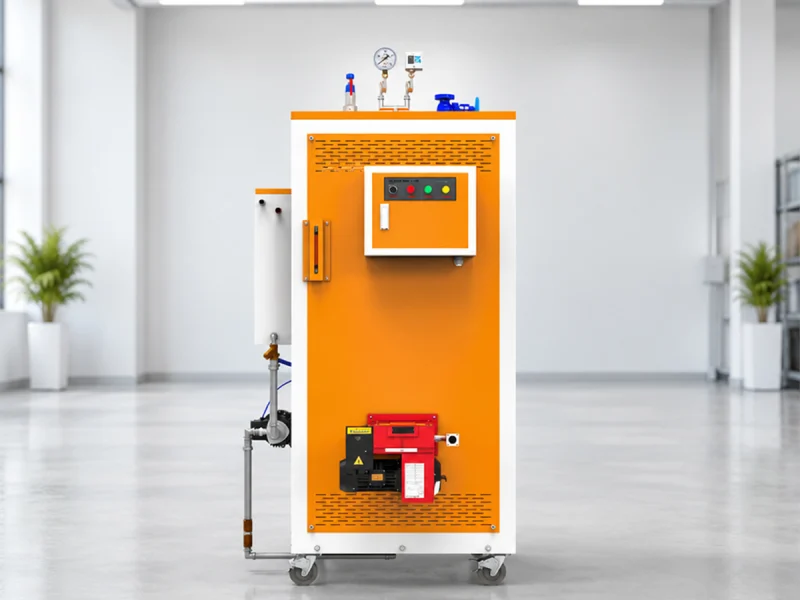
Deliver stable low-speed power to drive the agitator for consistent mixing.
Check oil level and oil quality regularly; replace lubricant on schedule.
Delivery within 30–45 working days, final schedule subject to confirmation.
Adopt standard export wooden cases or qualified export packaging.
12-month warranty period, wearing parts are not covered.
Provide technical support and operation & maintenance training; support FOB, CIF and other agreed trade terms.
Questions
Approximately 90°C, adjustable according to the cleaning requirements.
Around 45 minutes under typical operating conditions.
Approximately 2% is a common starting point. Actual dosage depends on the solution volume and cleaning requirements.
Steam and electromagnetic induction are common options. The choice depends on energy costs, site conditions and temperature-control needs.
Yes. We can evaluate your existing equipment layout and capacity to determine a suitable configuration.