 AI concept materialReusable Transport
01 / LOGISTICS & AGRICULTURE
Plastic Crates & Baskets
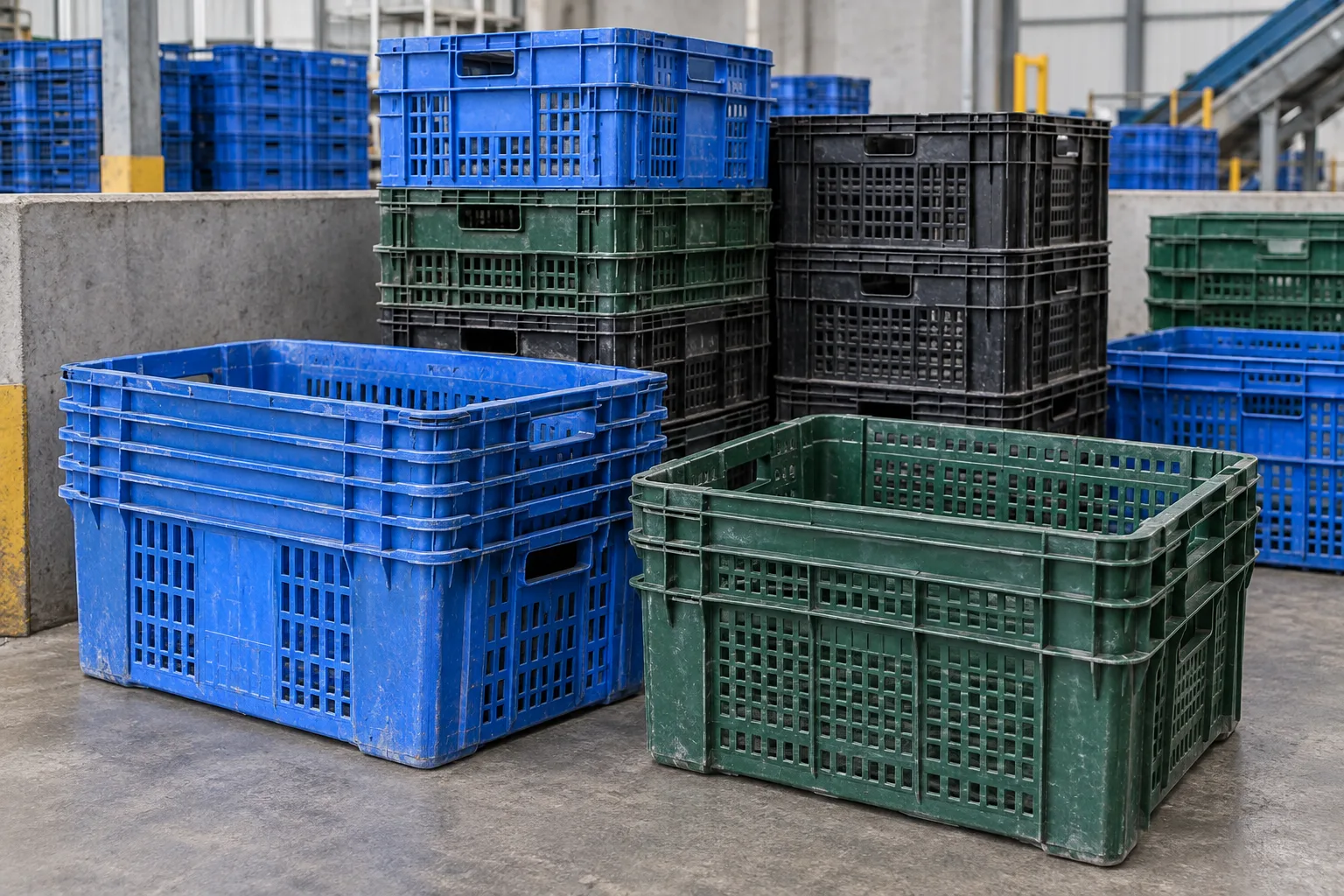
Thick-walled crates and baskets can be bulky and tough, with dimensions and wear that influence feeding and size reduction.
Rigid Plastic Recycling Material
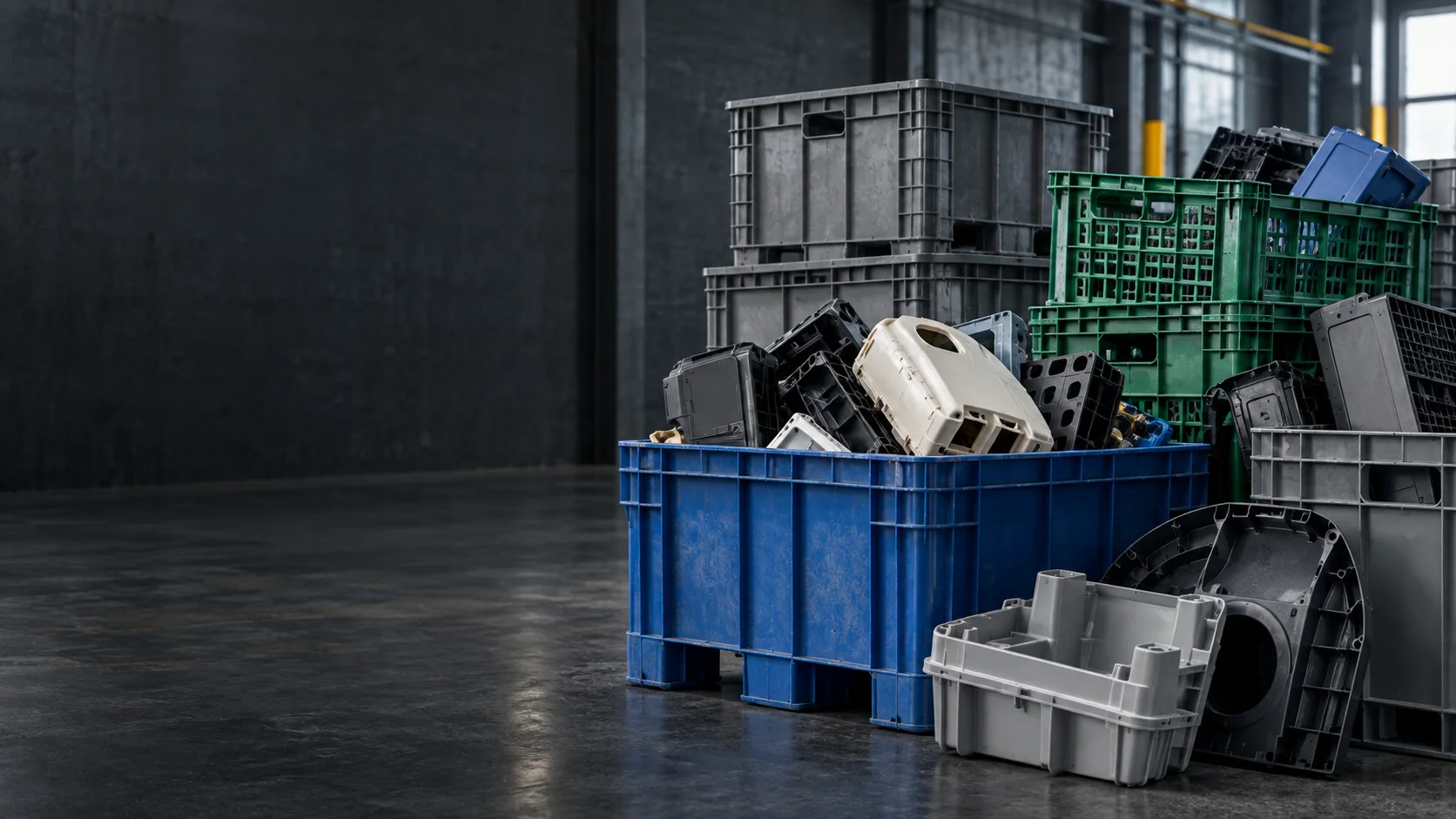
Rigid plastic waste includes crates, boxes, molded parts and mixed household or industrial plastic scrap with different sizes, shapes and material compositions. The recycling process is configured according to material type, feedstock size, contamination and the required final output.
AI concept material · illustrative feedstock, not a Rayli sample
Material Profile
Rigid plastic recycling streams can include reusable transport packaging, production scrap and mixed post-consumer items. Shape alone does not confirm polymer type.
AI concept materialReusable Transport01 / LOGISTICS & AGRICULTURE
Thick-walled crates and baskets can be bulky and tough, with dimensions and wear that influence feeding and size reduction.
 AI concept materialRigid Containers
02 / STORAGE & HANDLING
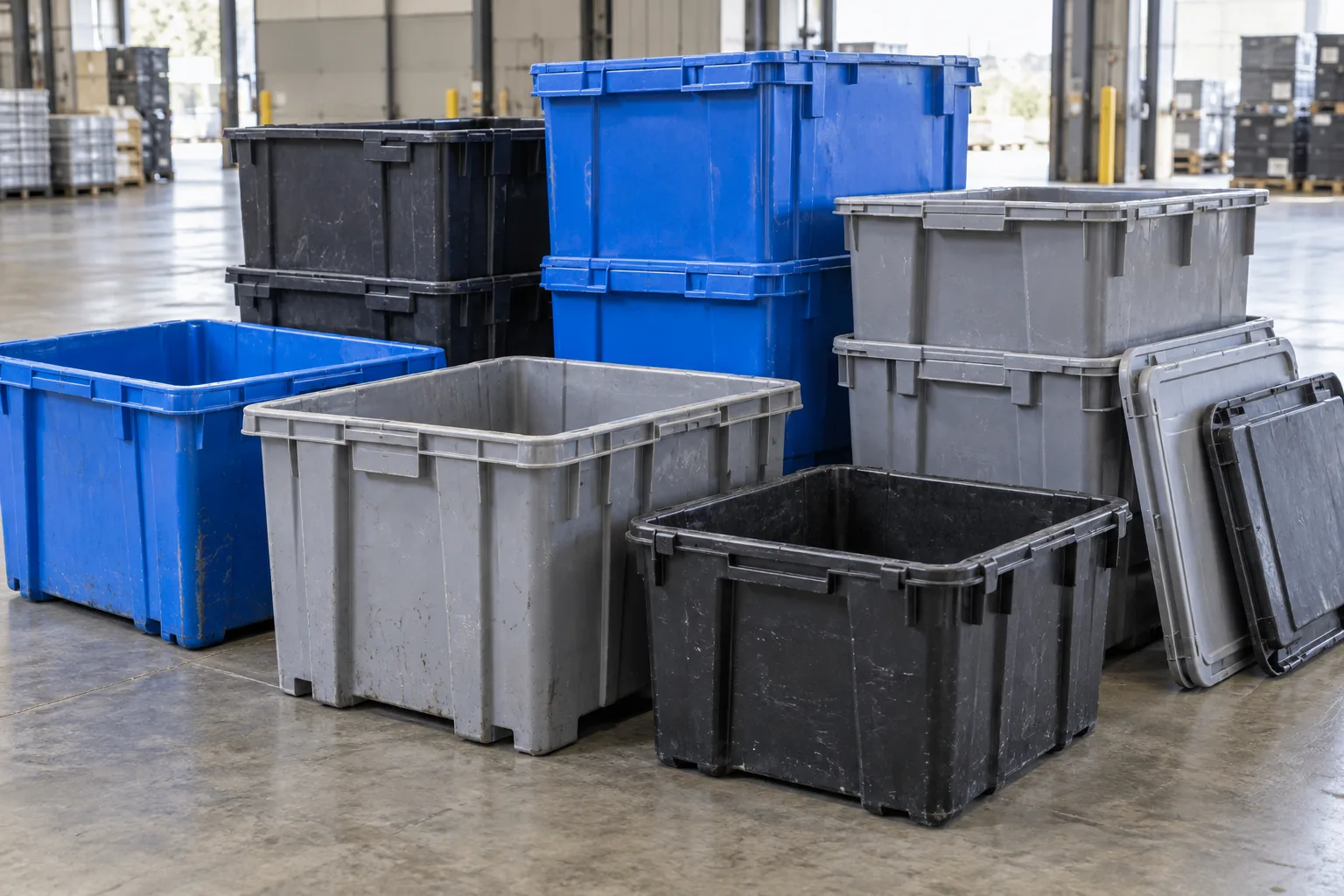
Storage boxes, totes and other non-bottle containers may vary in wall thickness, color, attached components and polymer mix.
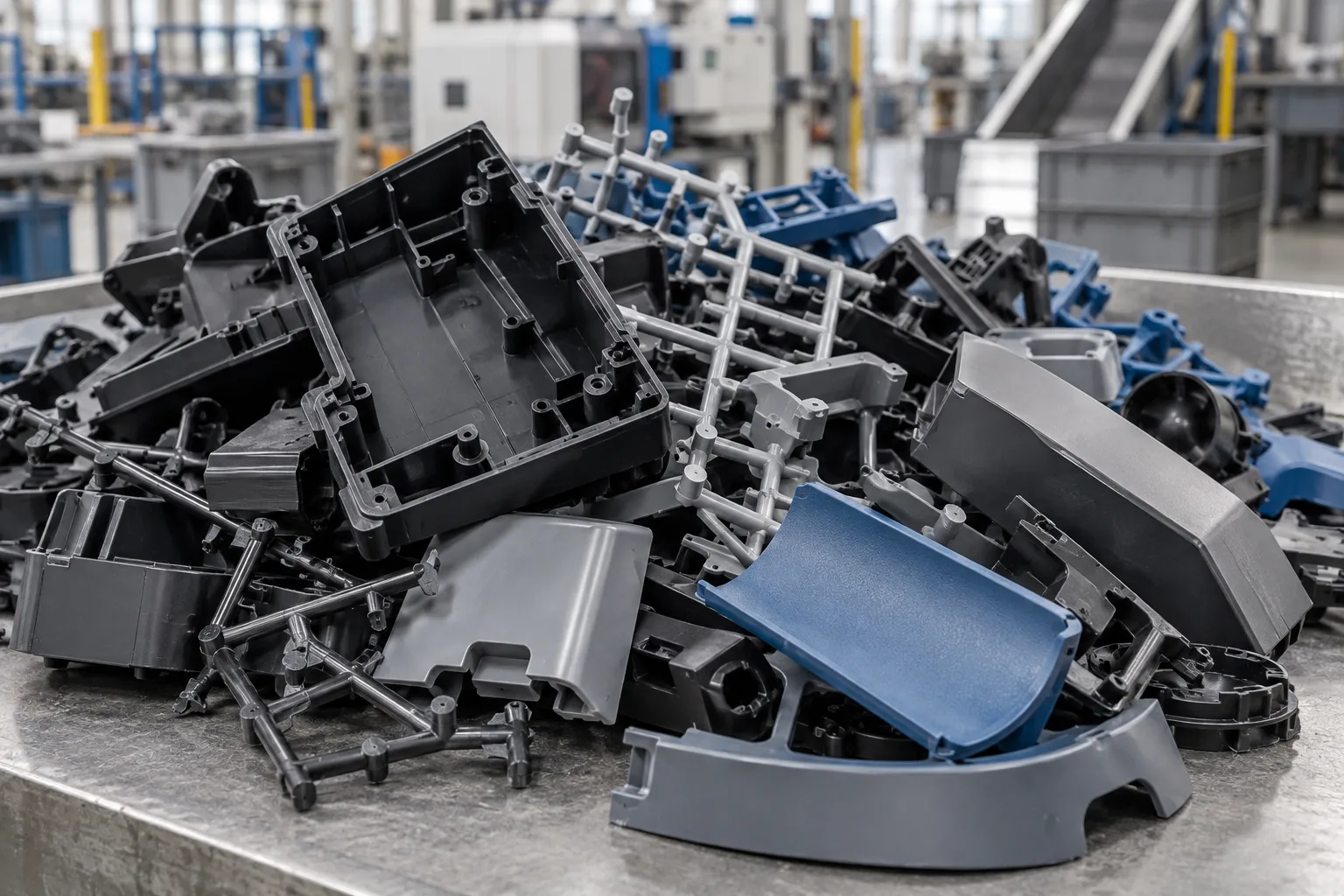 AI concept materialProduction Scrap
03 / POST-INDUSTRIAL
Runners, rejected molded parts and sprues can form a more consistent stream when the production source and material are known.
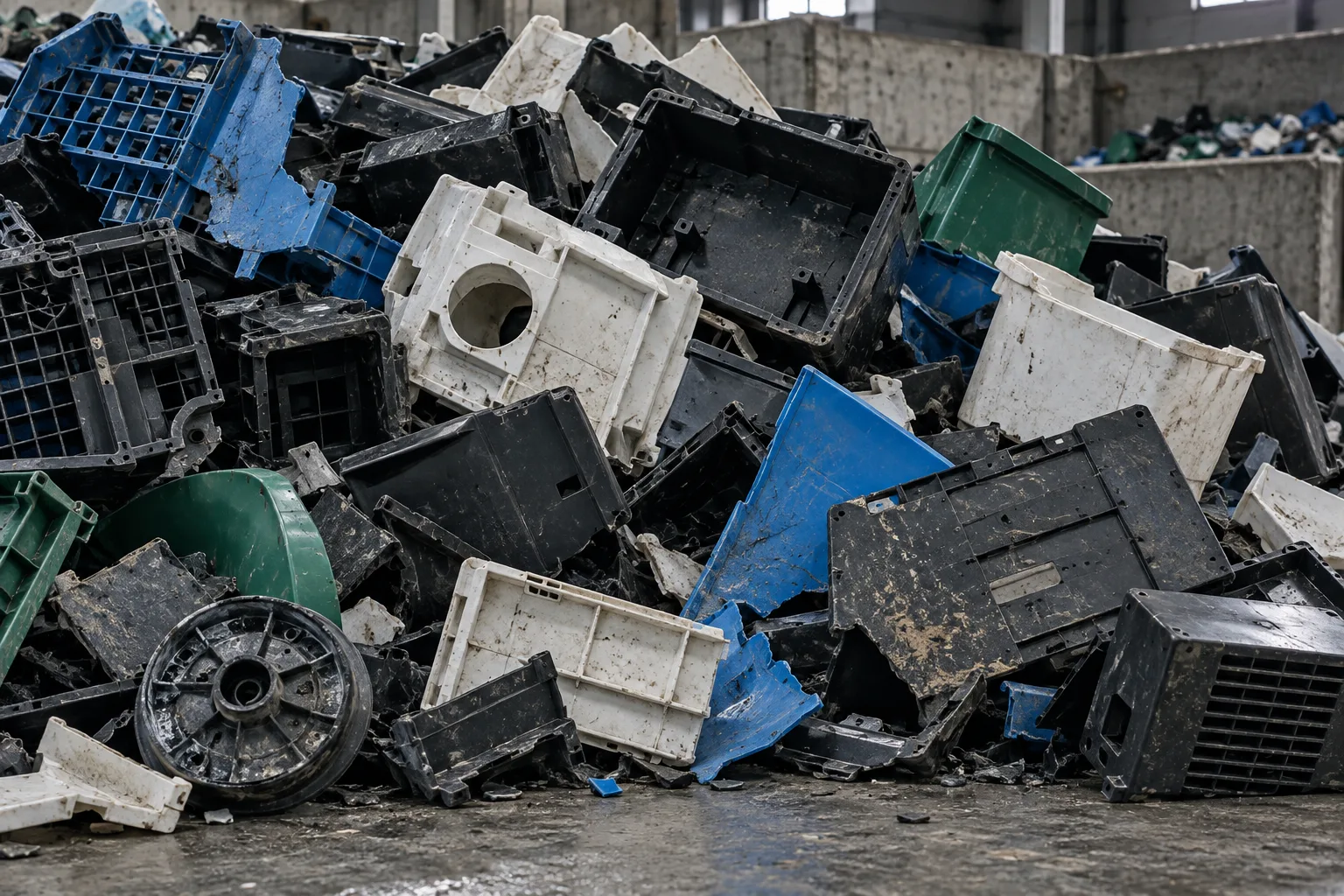 AI concept materialMixed Material
04 / POST-CONSUMER
Household and industrial rigid scrap can combine different shapes, polymers and surface conditions, so sorting needs to be assessed early.
Typical Rigid Plastic Stream
Visual appearance does not confirm polymer type; identify and sort the material before finalizing the recycling route.
Recycling Challenges
Rigid waste is not one uniform feedstock. Its geometry, wall thickness, polymer mix and contamination shape the preparation and separation stages.
AI concept material
Large crates, box panels and molded parts need to be reduced to a size that can be handled consistently by downstream equipment.
Heavy walls and tough molded structures can need a different size-reduction approach than thin packaging or film.
Different polymers and colors may need identification and separation before the material is washed or pelletized.
Dirt, labels and attached residues can affect washing requirements and the preparation needed for the target output.
Feedstock ConditionClean injection scrap can differ considerably from a mixed post-consumer rigid stream, even when both contain similar-looking parts.
Material IdentificationIdentify and sort the feedstock before finalizing a process; visual appearance alone may not confirm polymer composition.
Additional ComponentsCoatings, inserts, metal screws and rubber parts require evaluation because they can affect separation and downstream processing.
Target Output
Depending on the material mix and project goal, the process can stop at clean rigid flakes or continue to recycled plastic pellets.
For projects preparing washed and separated rigid material for a downstream use.
AI concept material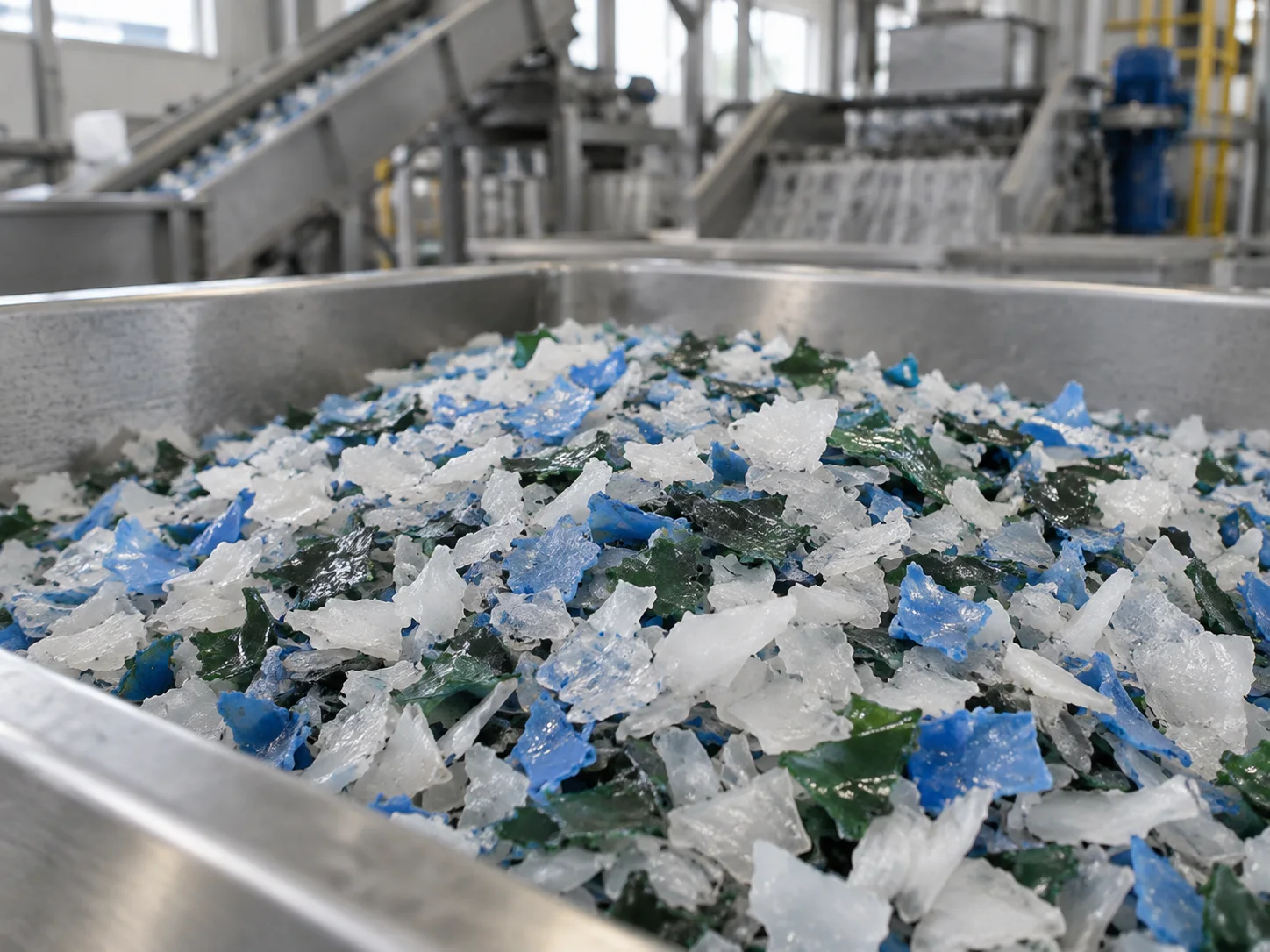 AI concept output
Flake appearance and separation requirements vary with the material mix, contamination and downstream process.
For projects that prepare washed rigid material for a downstream pelletizing step.
AI concept material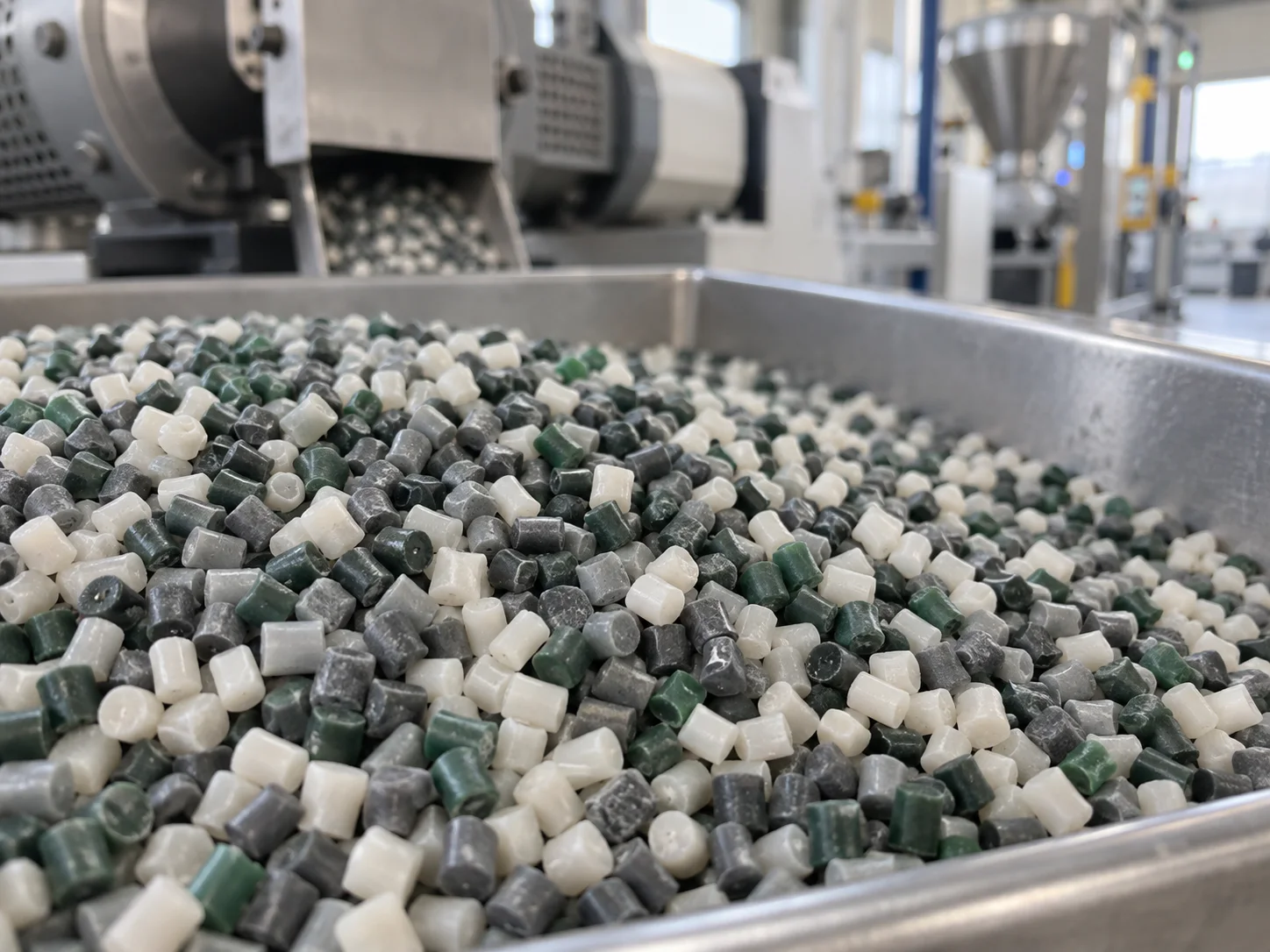 AI concept output
Pelletizing requirements depend on sorted feedstock and the intended downstream application.
Consider material separation before pelletizing because different polymers can require different downstream processing. No output grade or purity can be assumed from appearance alone.
Recommended Recycling Route
Rayli configures the process around material identification, feedstock size, contamination, required capacity and the desired output.
Identify the rigid stream, attached components and contamination.
Reduce bulky crates, boxes and molded parts to manageable pieces.
Configure cleaning and separation according to the material mix.
Prepare washed material for flake handling or pelletizing.
Select the process endpoint to match the required output.
Start with the complete rigid-plastic route
Explore a line configured around your material type, feedstock condition and target output.
Plan Your Rigid Plastic Recycling Project
Share your material type, shape and size, required capacity and target output. Photos or videos can help Rayli evaluate the feedstock and recommend a suitable rigid plastic recycling route.
Photos or a short video showing the material mix and largest pieces help with project evaluation.