
Shredding & Crushing
Template preview · sample machine profile
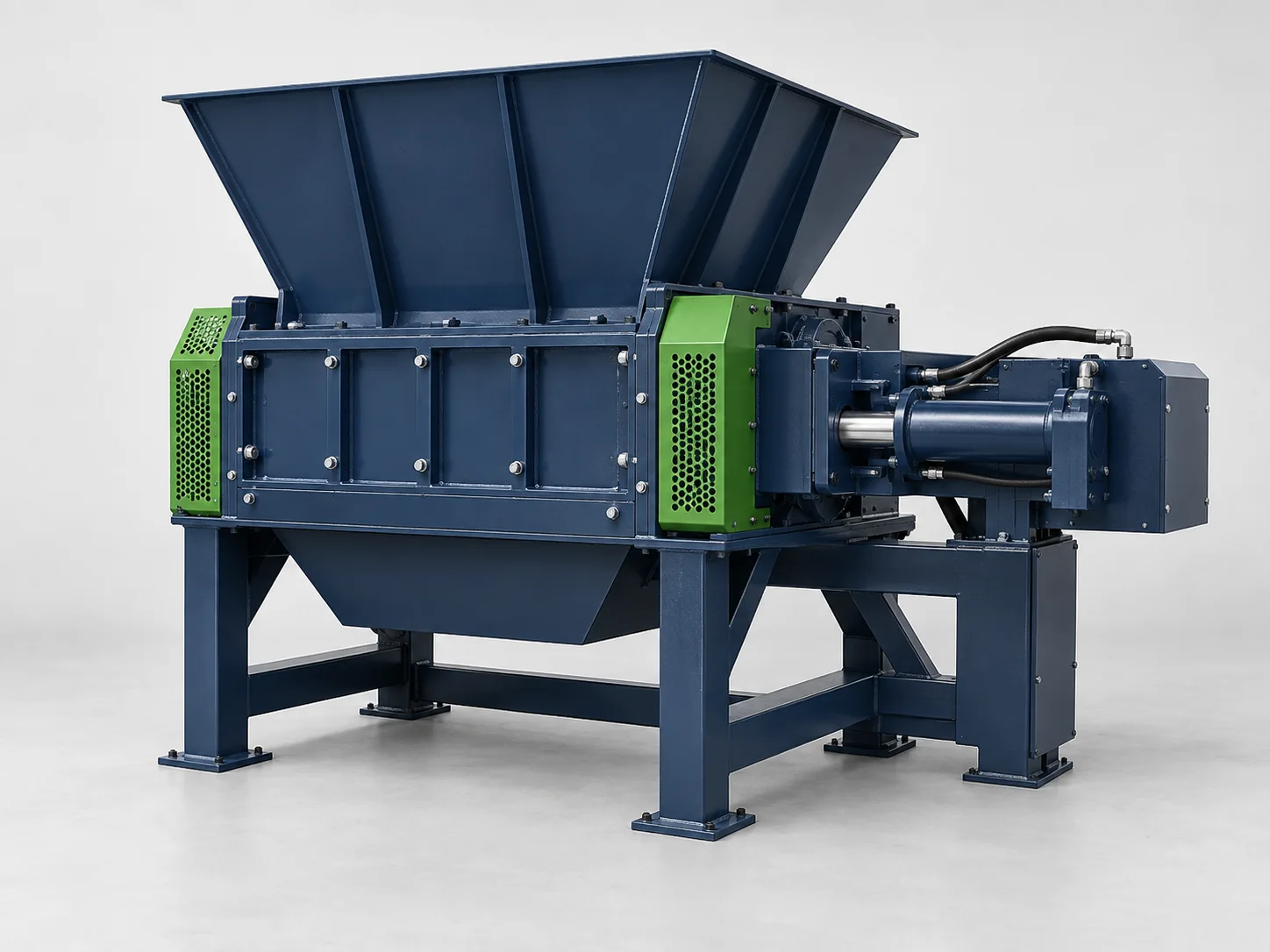
Double Shaft
Shredder
Heavy-duty primary size reduction for bulky rigid plastics, drums, crates, plastic lumps and other selected polymer waste.
- Application
- Bulky rigid plastic
- Process
- Primary size reduction
- Configuration
- Project-selected
- Integration
- Complete recycling lines
Share your material, feed size, required capacity and current process for a suitable model recommendation.
Application
What This Machine Does
Start with the incoming material and the process step this machine needs to perform.
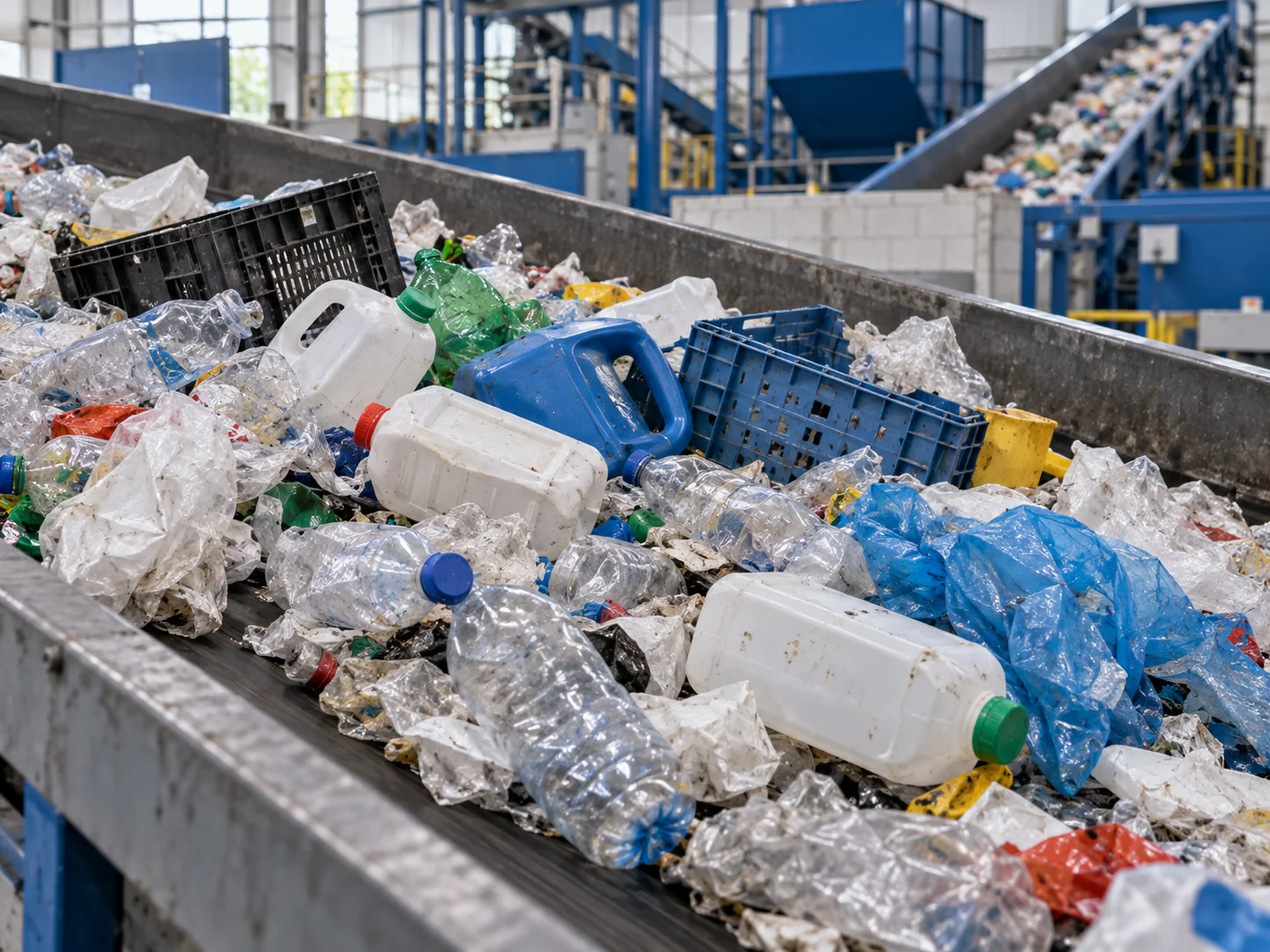
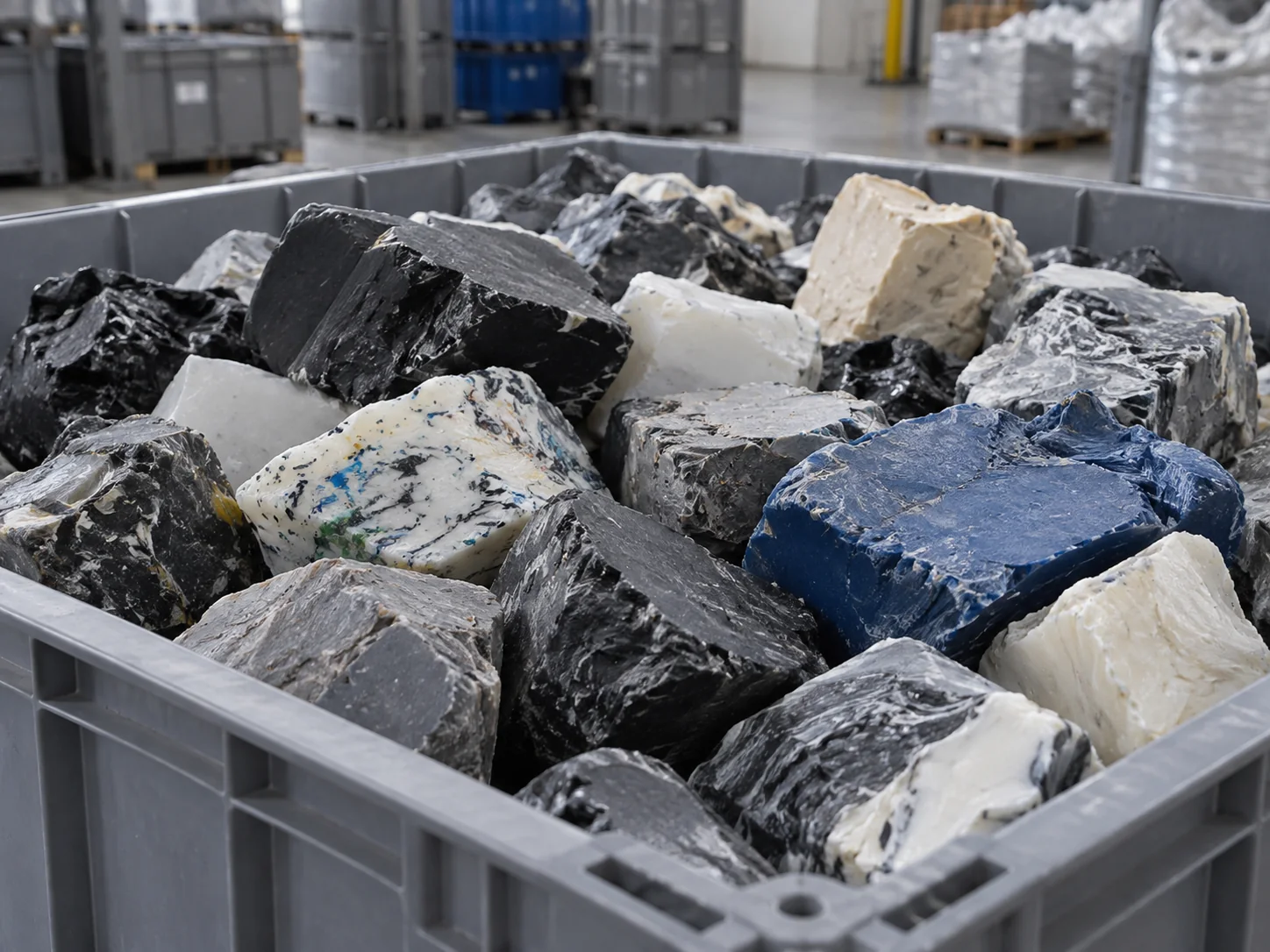
A double shaft shredder reduces bulky plastic feedstock through a two-shaft cutting action before secondary size reduction or washing. It is commonly considered for drums, crates, large containers, plastic lumps and mixed rigid waste where direct crushing may not be the best first step. In a line, it typically receives material from a conveyor or loading point and discharges pre-shredded pieces to a downstream crusher, screen or wash system. Final cutter arrangement, feed opening and machine selection depend on material size, thickness, contaminants and target output.
Process role
Primary Size Reduction- Upstream
- Feeding or loading point
- Downstream
- Crusher, screening or washing
Suitable feedstock examples
Material condition and dimensions affect equipment selection.
Key Features
Designed for Reliable
Recycling Operation
Four concise design points explain how the machine supports the required process role.
-
01
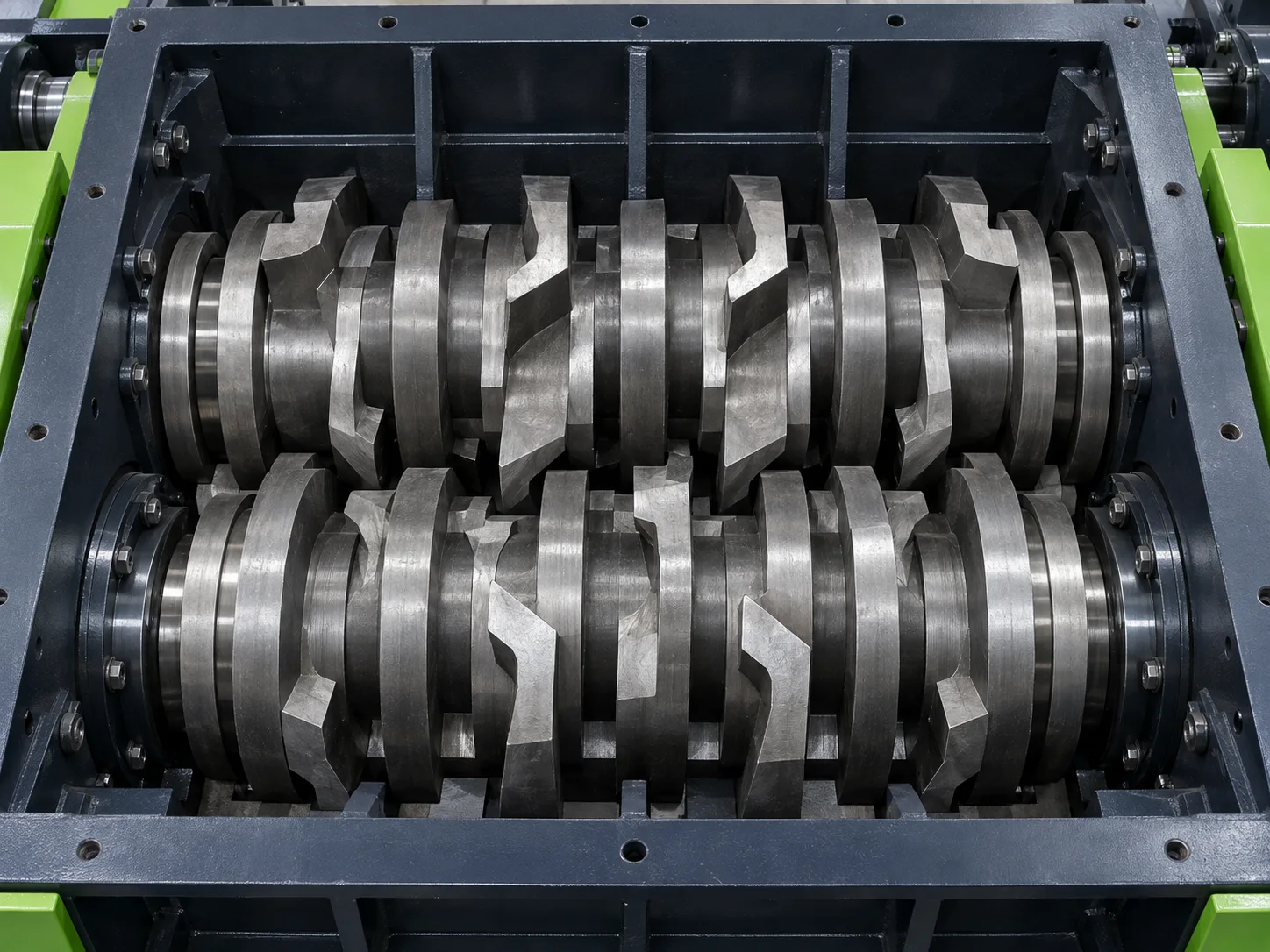
Twin-Shaft Tearing Action
Two cutting shafts engage bulky or irregular feedstock. Cutter geometry should be selected for the target material and output size.
-
02
Selected Around Incoming Feed
Feed opening and operating configuration are determined by material dimensions, wall thickness and loading method.
-
03
Access for Cutter Inspection
Maintenance access and replaceable wear components should be confirmed against the final machine design.
-
04
Integration with Downstream Equipment
Discharge can be planned around a secondary crusher, conveyor, screen or washing stage as the project requires.
Technical Data
Technical Specifications
Only publish model data after technical confirmation. Do not use estimated values as a sales commitment.
Specification data placeholder
This template preview intentionally uses confirmation notes instead of invented capacity, power or dimensions.
| Parameter | Specification |
|---|---|
| Model | To be confirmed by Rayli |
| Typical Capacity | To be confirmed by Rayli; varies by material and configuration |
| Main Motor Power | To be confirmed by Rayli |
| Working Width / Feed Opening | To be confirmed by Rayli |
| Cutter Diameter / Configuration | To be confirmed by Rayli |
| Machine Dimensions | To be confirmed by Rayli |
| Machine Weight | To be confirmed by Rayli |
Specifications may vary according to material condition, required capacity and project configuration. Contact Rayli for the recommended model for your application.
In the Recycling Line
Built to Work Inside
a Complete Process
See the machine concept and its typical position. The final sequence depends on material and target output.
AI-generated concept visuals · not verified Rayli products or installations
Typical process position
- 01Feeding
- 02Double Shaft ShredderCurrent machine
- 03Plastic Crusher
- 04Washing
A primary shredder can prepare bulky feed for secondary size reduction. Screen requirements and the downstream route depend on the target flake size, material and line design.
Back to Shredding & Crushing EquipmentSelect the Right Model
Tell Us About Your
Material and Capacity
Share your material type, size, condition, required capacity and current recycling process. Rayli will recommend a suitable machine configuration and model.
- 01Material
- 02Material Size
- 03Required Capacity
- 04Current Process