Start with the incoming bottle stream
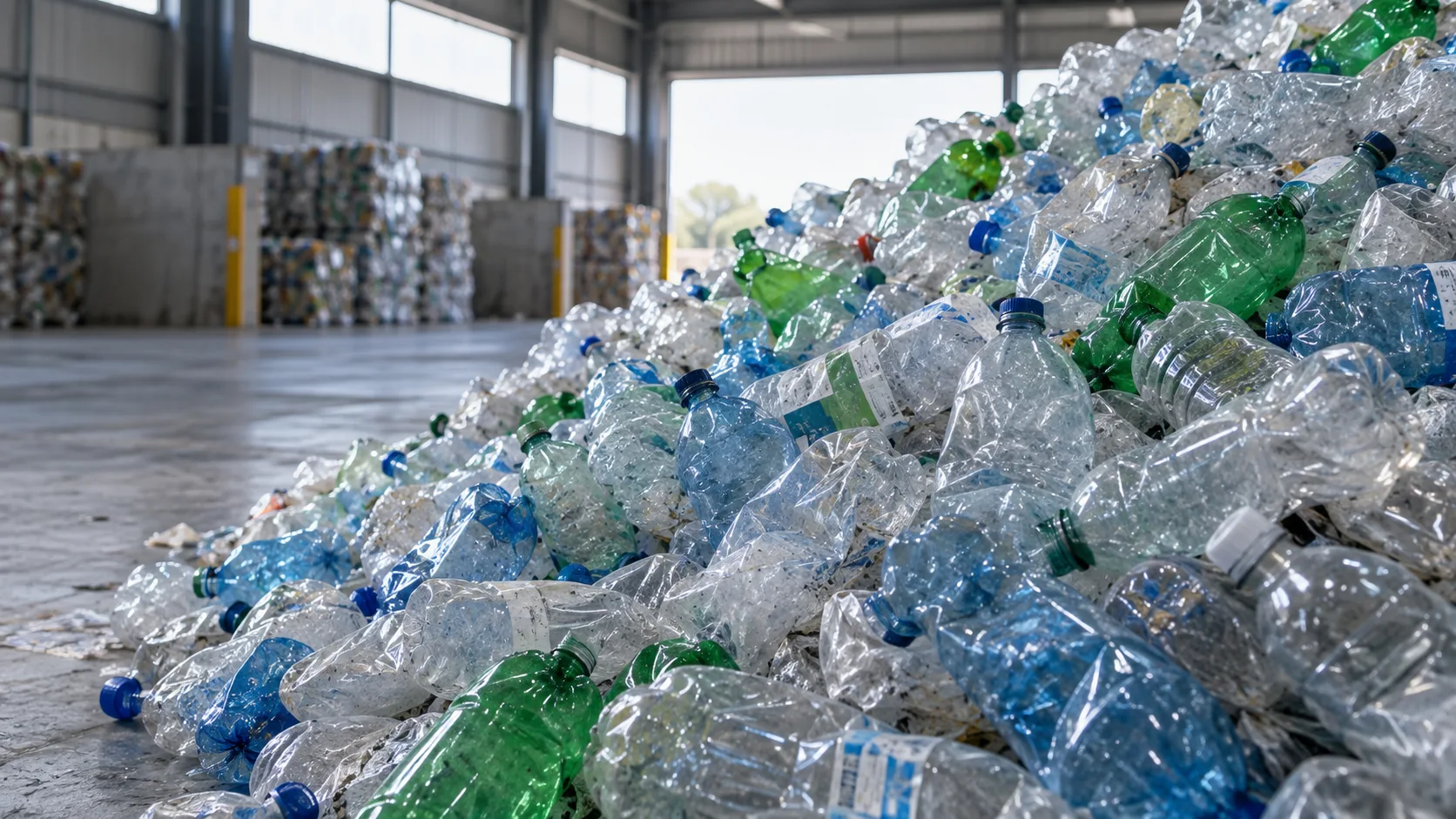
A PET recycling discussion starts with the bottles being collected. Record their source, colours, labels, caps and visible contamination. Baled bottles, loose bottles and pre-sorted material require different preparation arrangements. Representative photos and samples help identify what the line will actually receive.
Connect preparation, washing and separation
A typical planning sequence considers bale opening and sorting, size reduction, washing, separation and drying. Each stage prepares material for the next one. Sorting removes unwanted items before they travel further through the system; washing addresses dirt and residues, while separation handles material differences.
The exact order and equipment selection should be developed around the feedstock. Describe which contaminants are present and agree how they will be handled rather than selecting equipment from a list alone.
Define the flake output
Specify the intended next use of the flakes, including colour sorting, particle size, cleanliness and moisture requirements. A visual impression is useful for discussion but does not replace an agreed acceptance test. Requirements for a particular regulated application need their own qualification process.
Prepare a useful project brief
- Describe bottle sources and changes between batches.
- Provide samples, photos and a contamination description.
- Separate incoming-material capacity from saleable-flake output.
- Record available space, water, power and downstream requirements.
Explore the PET bottle material guide and PET bottle washing solution for the next planning step.
Further reading
Plastics Recyclers Europe: how mechanical recycling works provides an industry overview of the main recycling stages.