 AI concept
Input Material
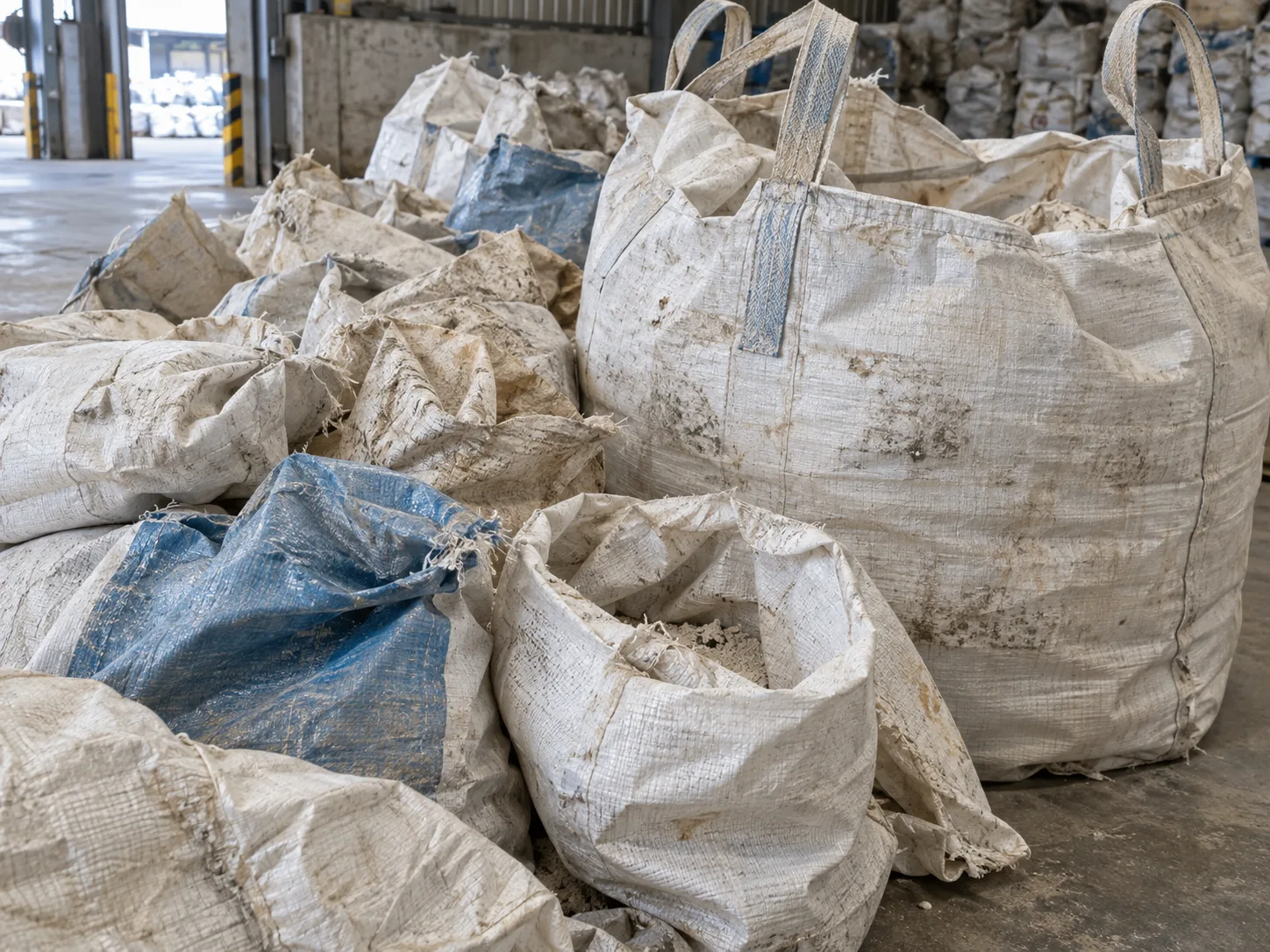
PP Woven Bags
/ FIBC
Cement bags, fertilizer bags, feed bags, industrial big bags and raffia bags.
Learn More About Woven Bag MaterialsWoven Bag / FIBC Recycling
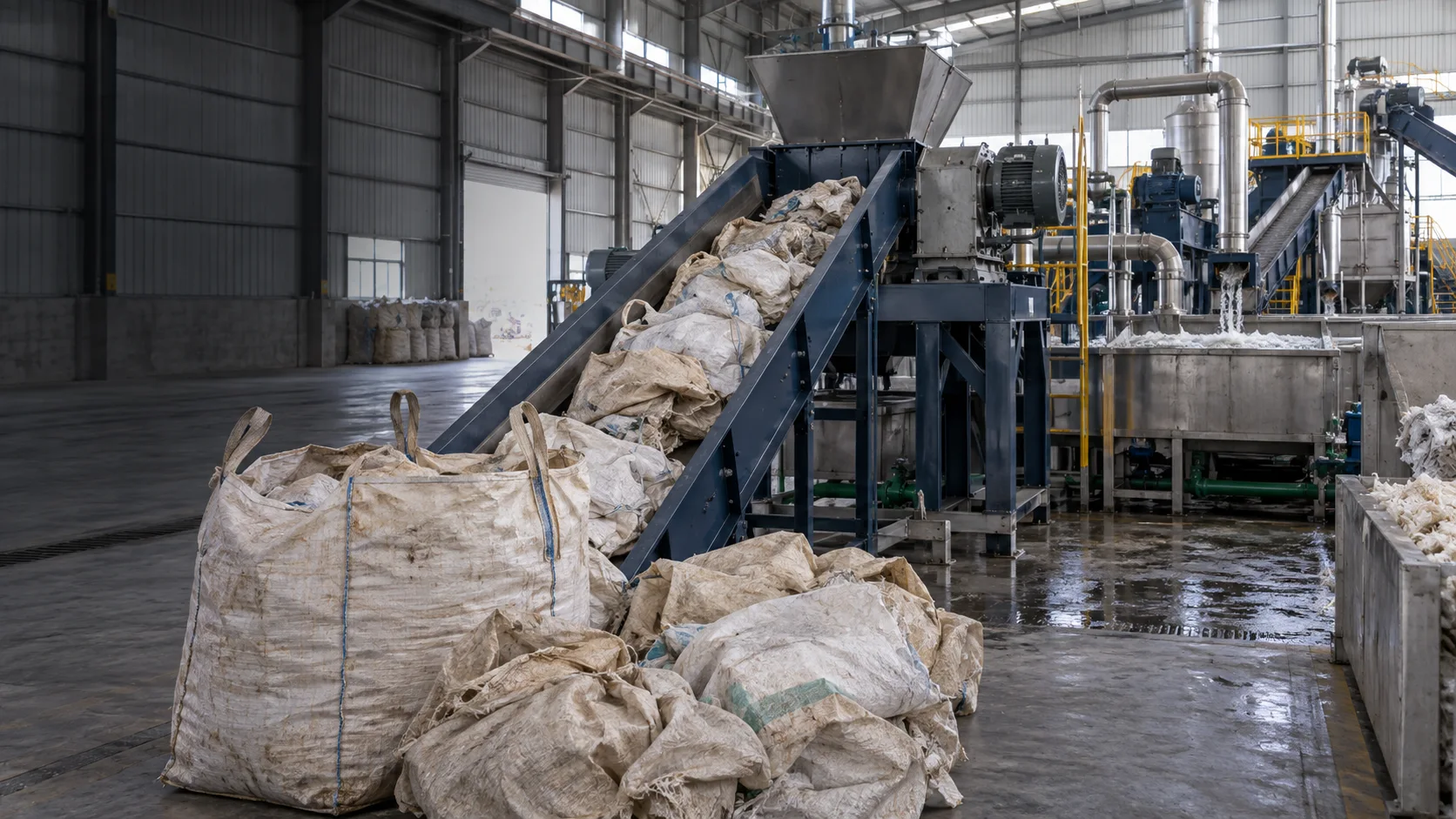
A complete shredding, washing, dewatering and squeezing system for recycling PP woven bags, FIBC and jumbo bags into clean reusable material.
Designed for industrial packaging waste with different contamination and moisture conditions.
AI concept visual · not a Rayli installation
From Used Bags to Reusable PP
Woven bags and FIBC need controlled size reduction, intensive cleaning and effective moisture reduction before they can return to production.
AI concept
Input Material
Cement bags, fertilizer bags, feed bags, industrial big bags and raffia bags.
Learn More About Woven Bag MaterialsWoven Bag Recycling System
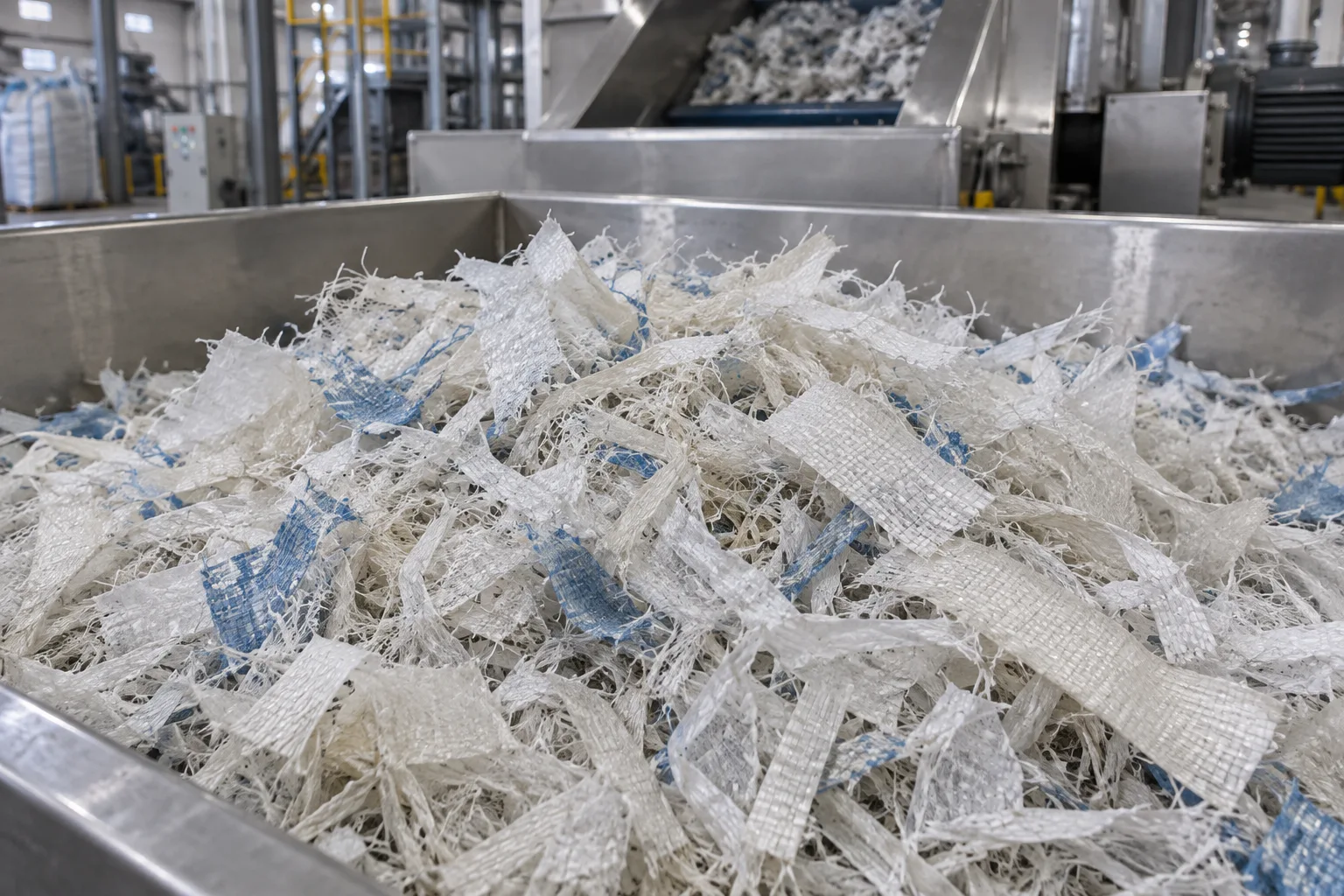
Opening, anti-tangling size reduction, washing, dewatering and squeezing prepare tough woven PP for reuse or pelletizing.
 AI concept
Process Flow
The process focuses on stable feeding, anti-tangling size reduction, effective washing and moisture control.
Used woven bags are inspected, opened and fed into the line at a controlled rate.
Strong woven material is reduced into manageable pieces while minimizing wrapping and tangling.
Loose dust, soil and product residue are removed before intensive washing.
High-speed friction removes attached contamination from the woven PP material.
Material is thoroughly rinsed while unwanted contaminants are separated from the recycling stream.
Mechanical dewatering removes free water after washing.
Cleaned PP is compacted and further dried for easier storage, transport or pelletizing.
Bag construction and contamination affect the required cutting, washing and moisture-reduction stages.
Key Equipment
The final configuration depends on bag construction, contamination level, required capacity and downstream process.
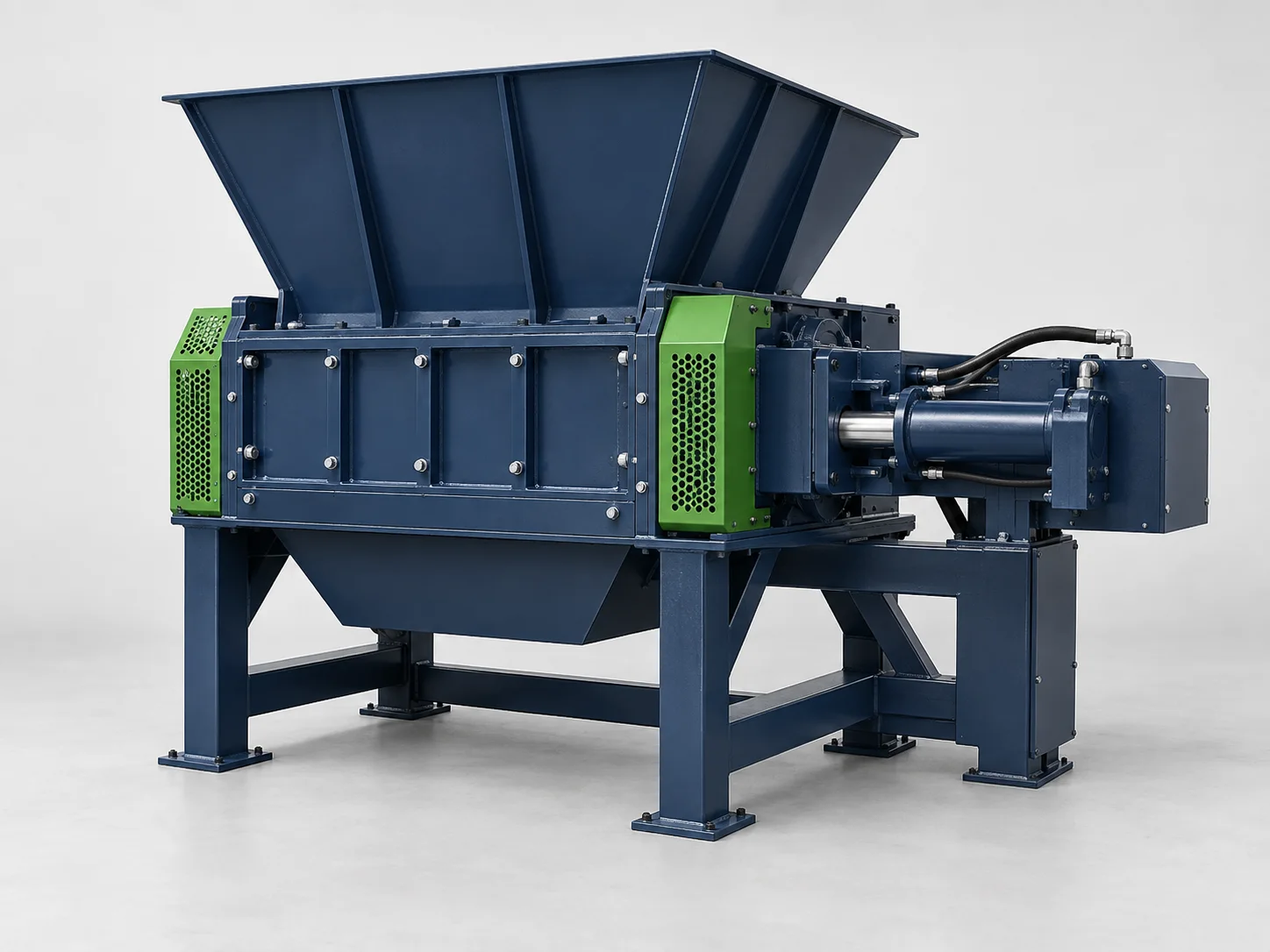 AI concept · not Rayli model
Opens and reduces bulky woven bags and FIBC into manageable recycling material.
View Machine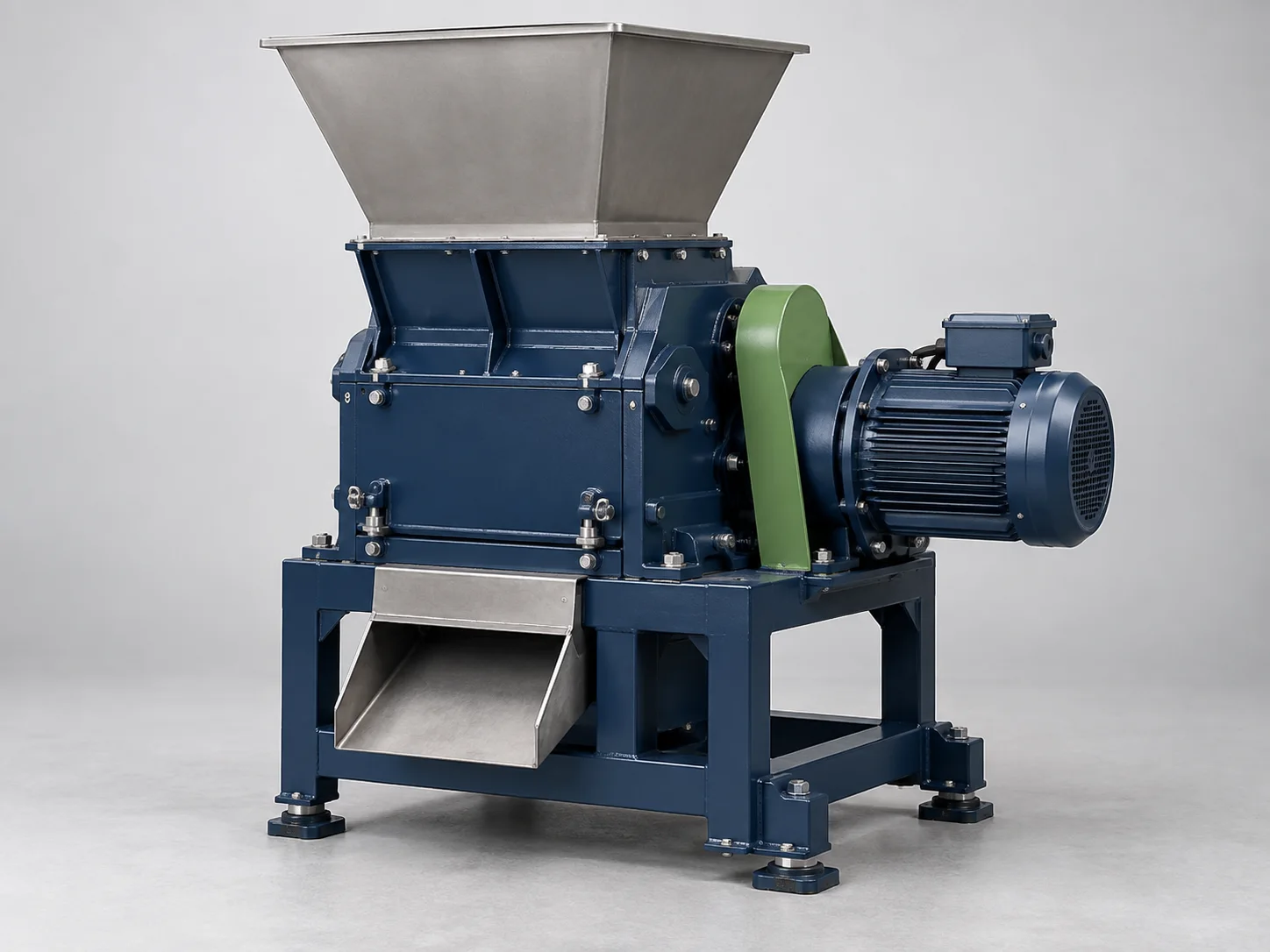 AI concept · not Rayli model
Further reduces woven PP material to a controlled size for washing.
View Machine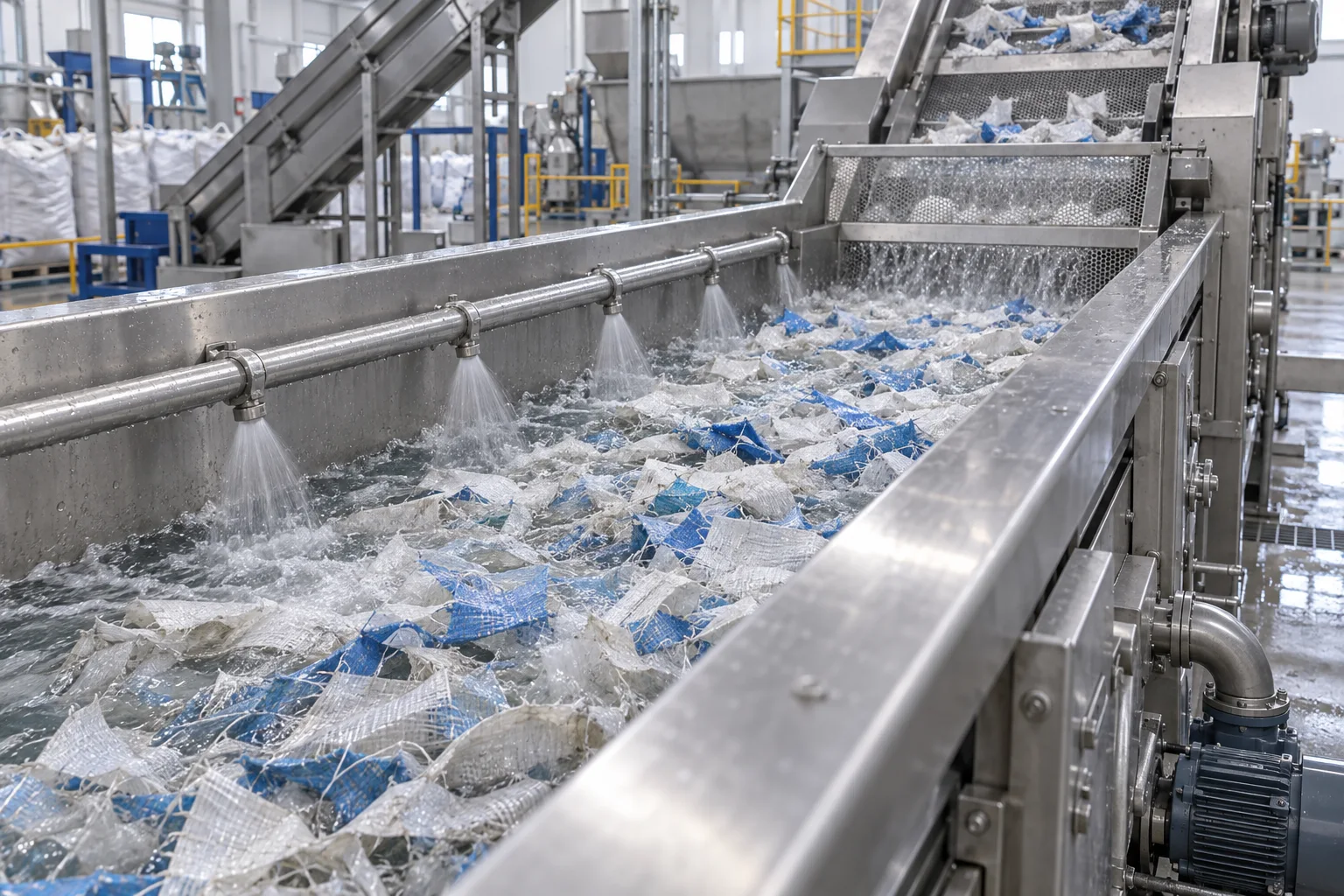 AI concept · not Rayli model
Removes loose dust, soil and product residue before intensive cleaning.
View Machine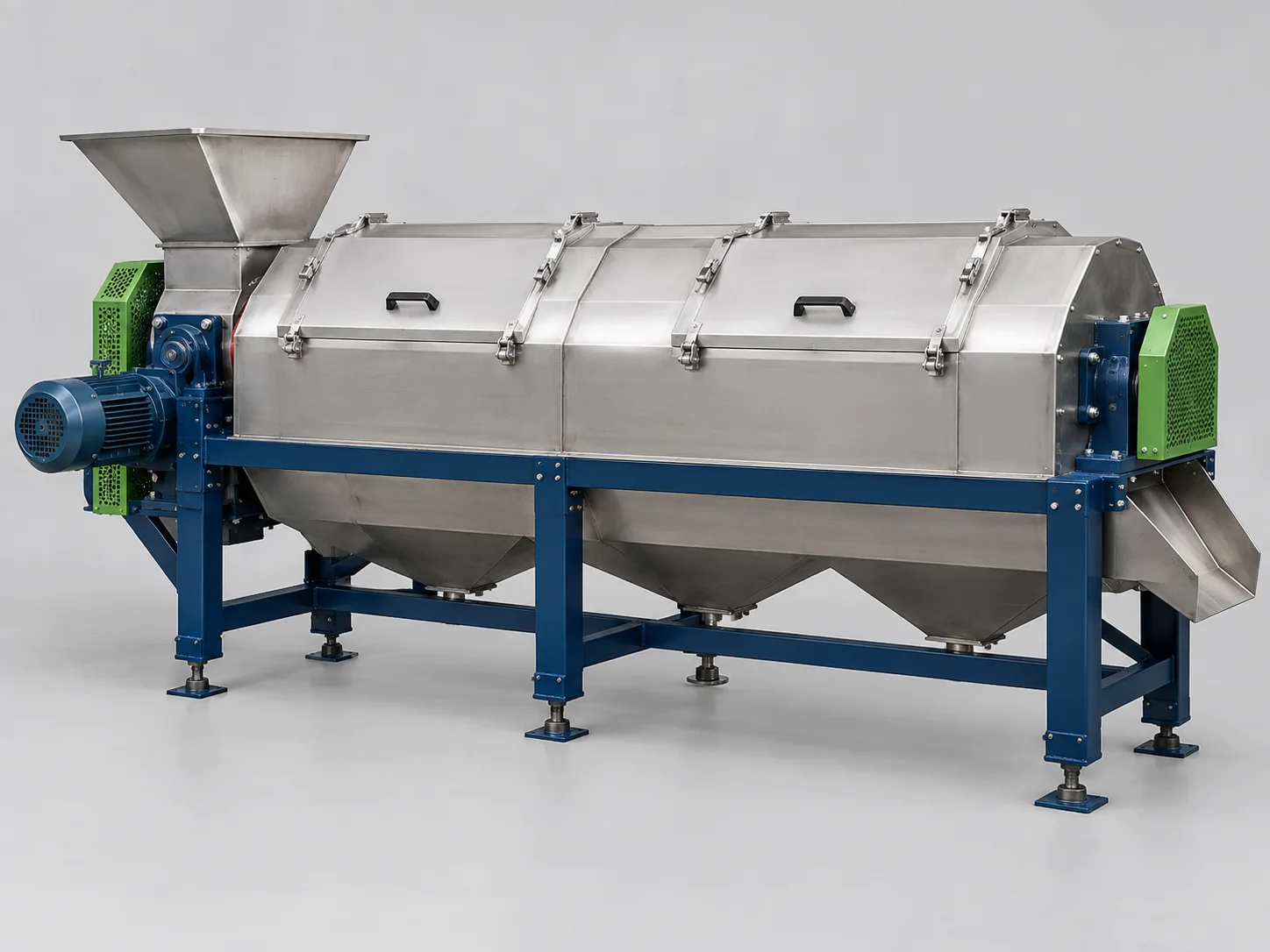 AI concept · not Rayli model
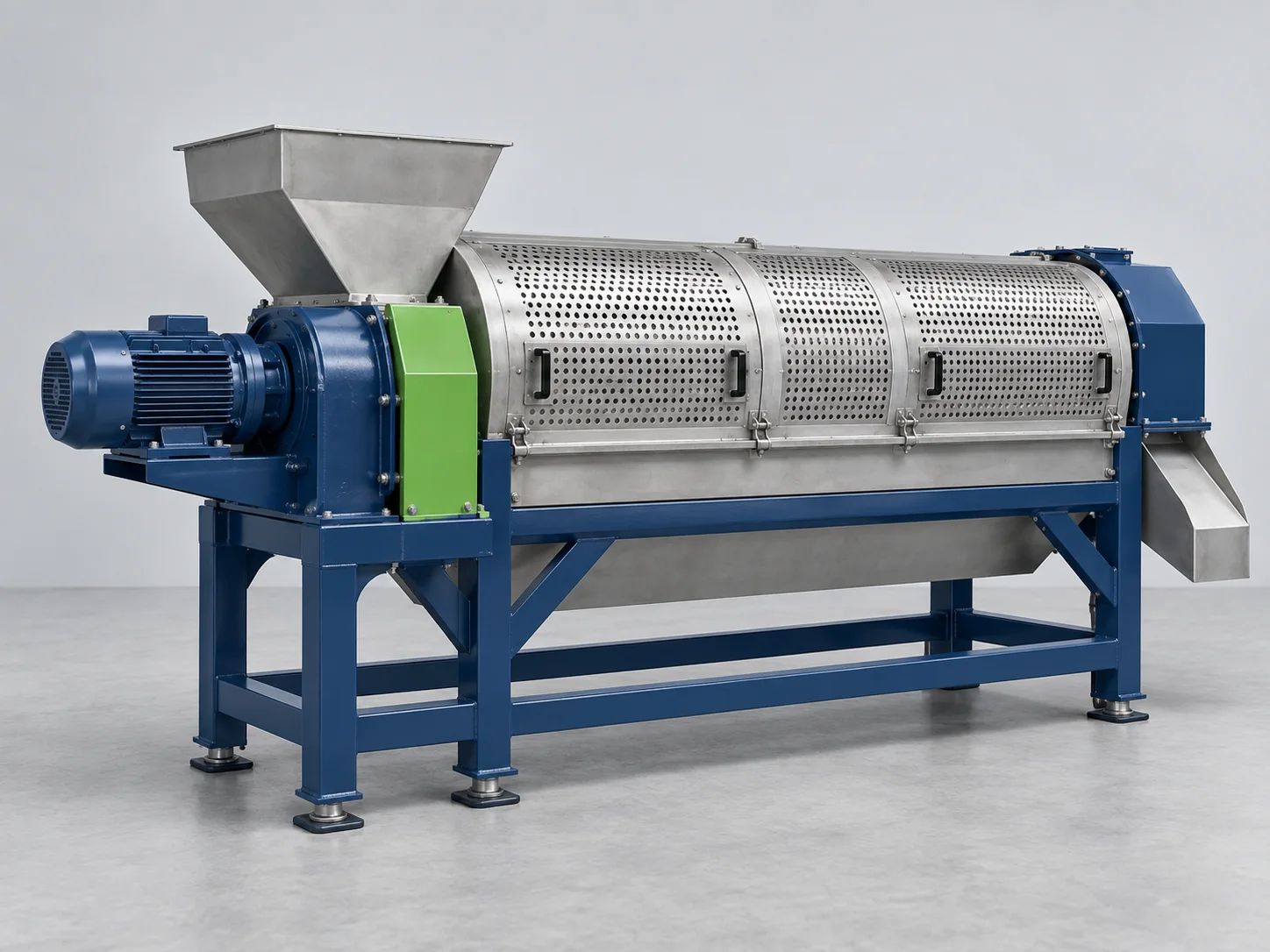 AI concept · not Rayli model
Removes free water from washed woven PP before final moisture reduction.
View Machine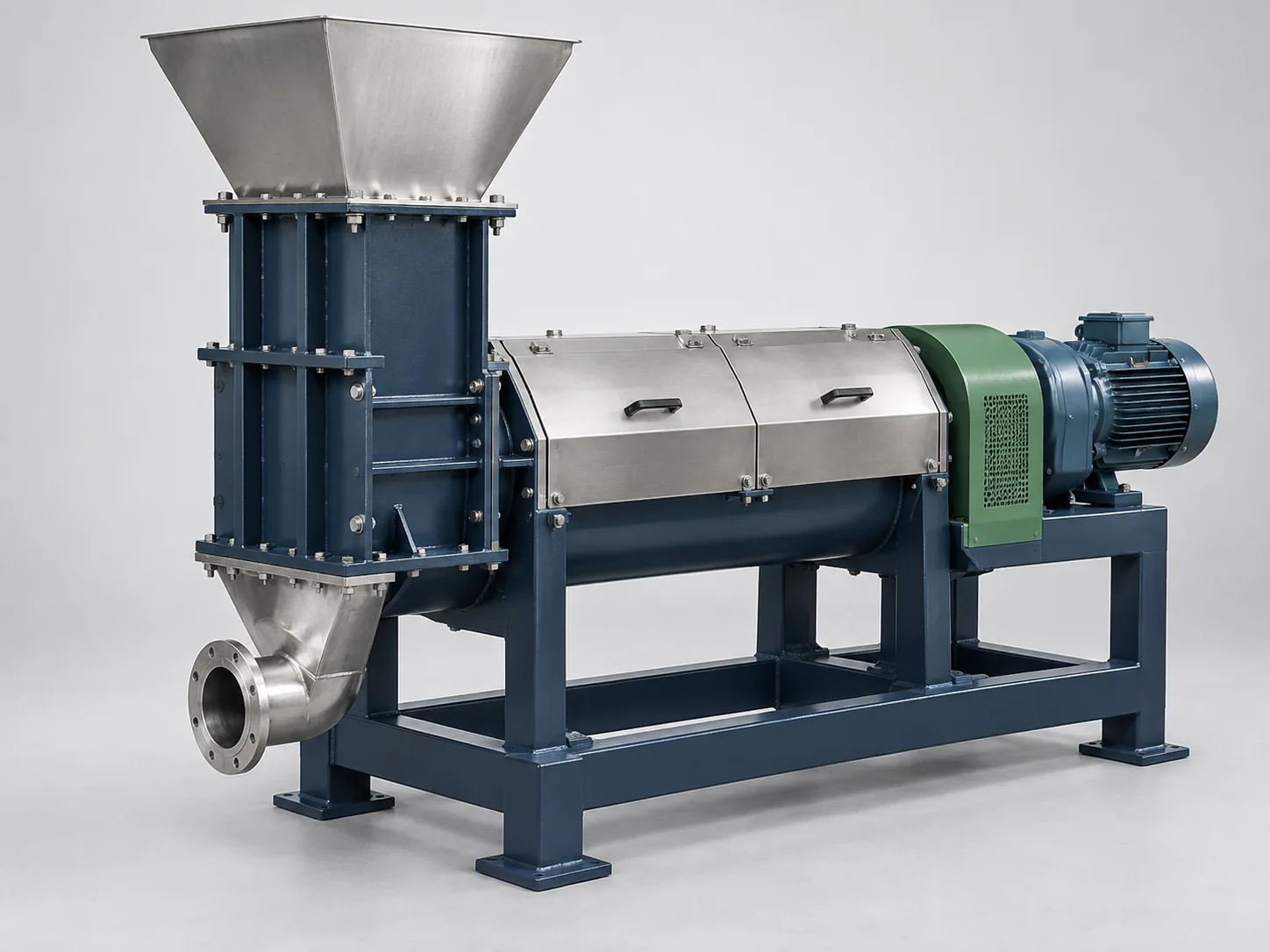 AI concept · not Rayli model
Compacts washed material and reduces moisture for downstream pelletizing.
View MachineLine Configuration
Woven bag recycling performance depends on bag construction, contamination, bulk density, moisture and the required final product.
| Capacity | Typical Application | Configuration |
|---|---|---|
| 300 kg/h | Smaller recycling operations | Compact shredding + washing line |
| 500 kg/h | Commercial woven bag recycling | Standard washing + dewatering |
| 1,000 kg/h | Higher-volume plants | Enhanced cleaning + squeezing |
| 2,000+ kg/h | Large industrial projects | Customized heavy-duty configuration |
Thick FIBC, multi-layer bags and heavily contaminated industrial sacks may require stronger size-reduction and washing stages than lighter woven packaging material.
Capacity figures are planning ranges from the supplied brief; confirm actual output against Rayli's equipment models and feedstock.
Woven Plastic Recycling
A general application illustration of the material, process and output route for PP woven packaging waste.
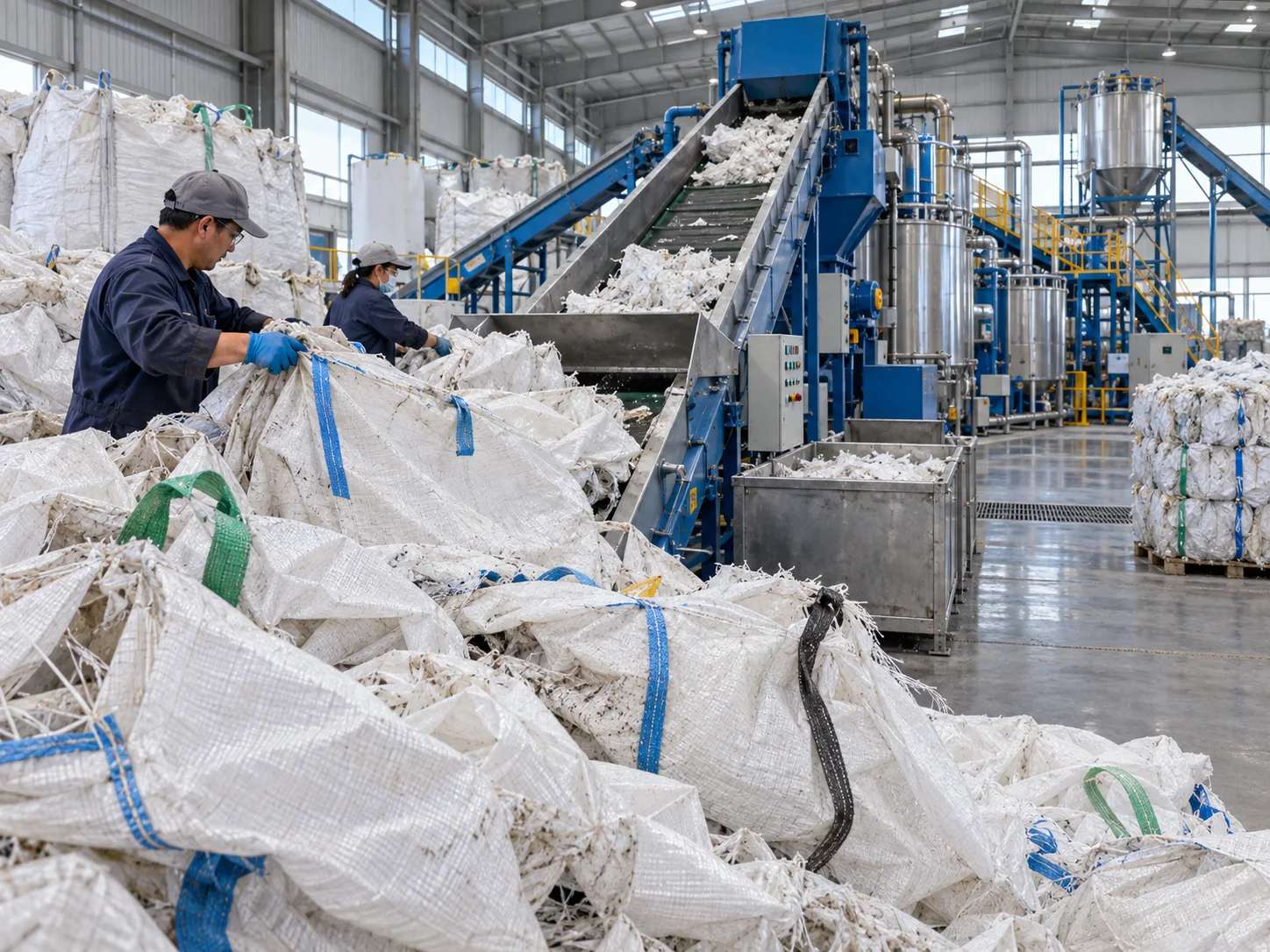
Application Concept illustration
The line concept shows how bulky, tough woven sacks can move through controlled size reduction, washing and moisture reduction before reuse or pelletizing.
Explore Recycling ProjectsPlan Your Woven Bag Recycling Line
Share your bag type, contamination, moisture requirement, capacity and target output to plan a suitable shredding, washing, dewatering and squeezing configuration.