 AI concept materialStandard Sacks
01 / GENERAL PACKAGING
Standard PP Woven Bags
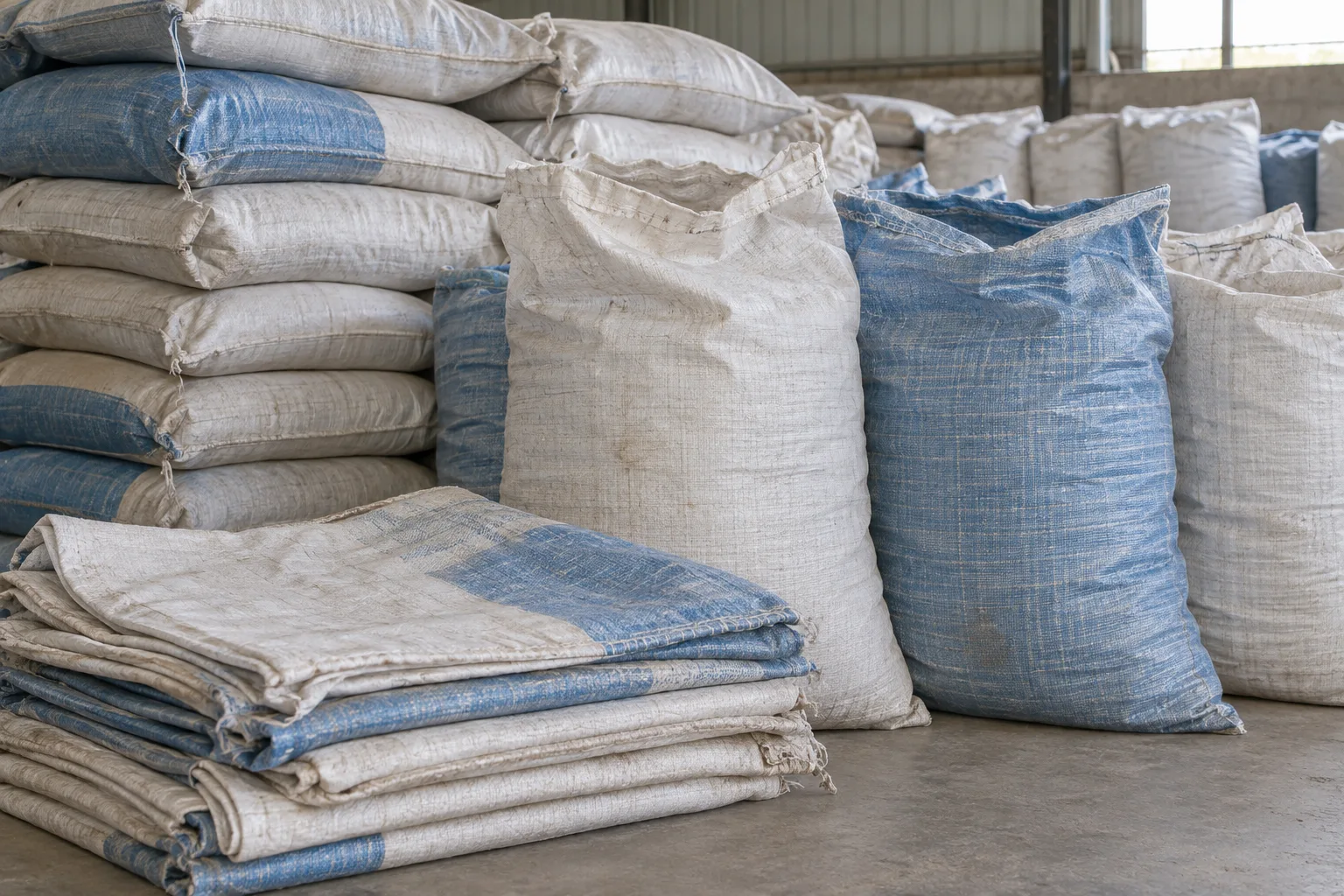
Feed, grain and general packaging sacks can carry dust, labels, printing and residual packaged material that affect the recycling process.
Woven PP Recycling Material
PP woven bags, FIBC and industrial sacks combine flexible material with a strong woven structure, requiring recycling equipment designed for stable size reduction, washing, moisture reduction and downstream pelletizing. The final material can be prepared as clean PP feedstock or further processed into recycled pellets.
AI concept material · illustrative feedstock, not a Rayli sample
Material Profile
Woven PP waste comes from agriculture, logistics, construction and industrial packaging, with different bag structures and contamination levels.
AI concept materialStandard Sacks
01 / GENERAL PACKAGING
Feed, grain and general packaging sacks can carry dust, labels, printing and residual packaged material that affect the recycling process.
 AI concept materialIndustrial Packaging
02 / PREVIOUS CONTENTS
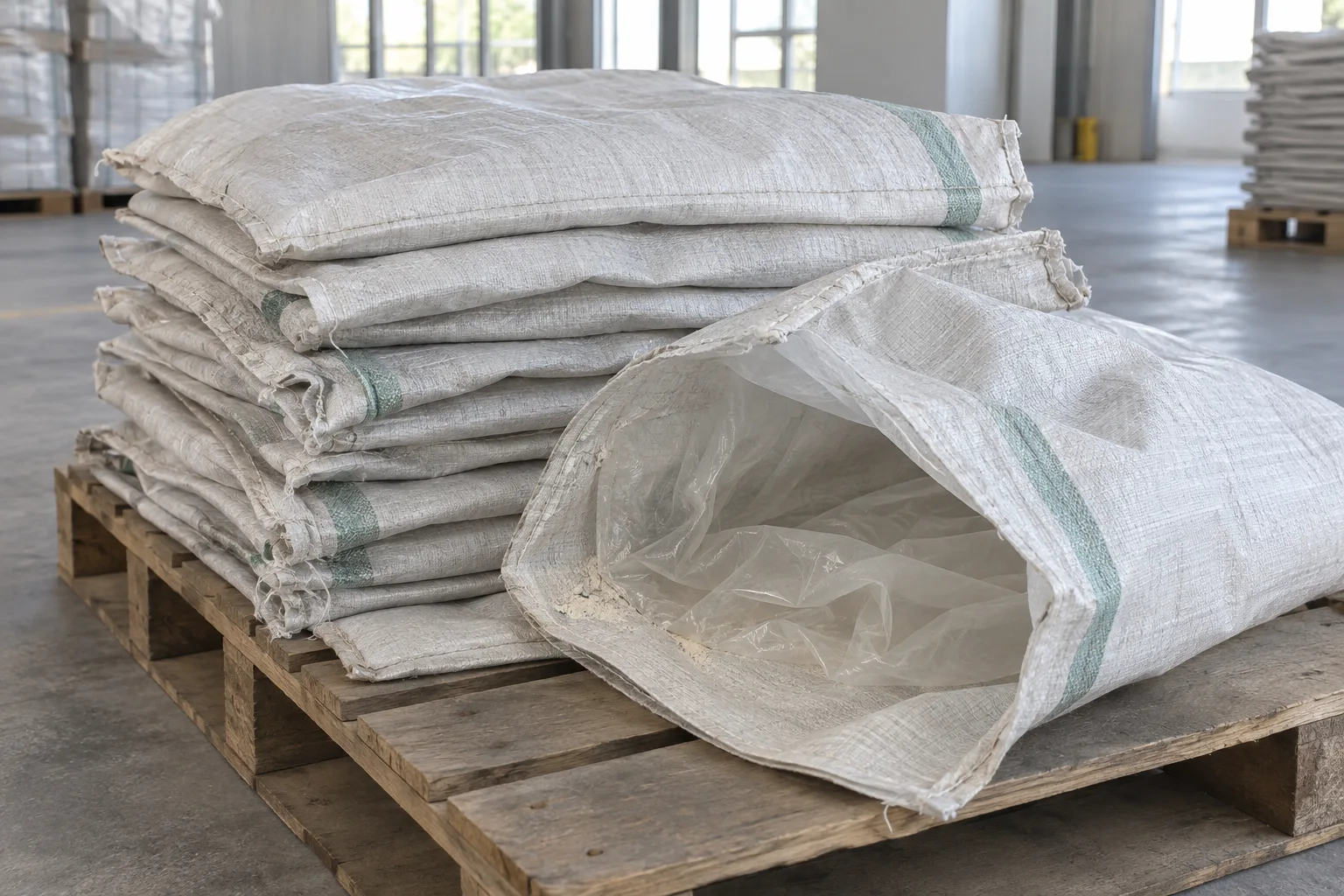
Industrial packaging may carry product residue and should be evaluated according to its previous contents before processing.
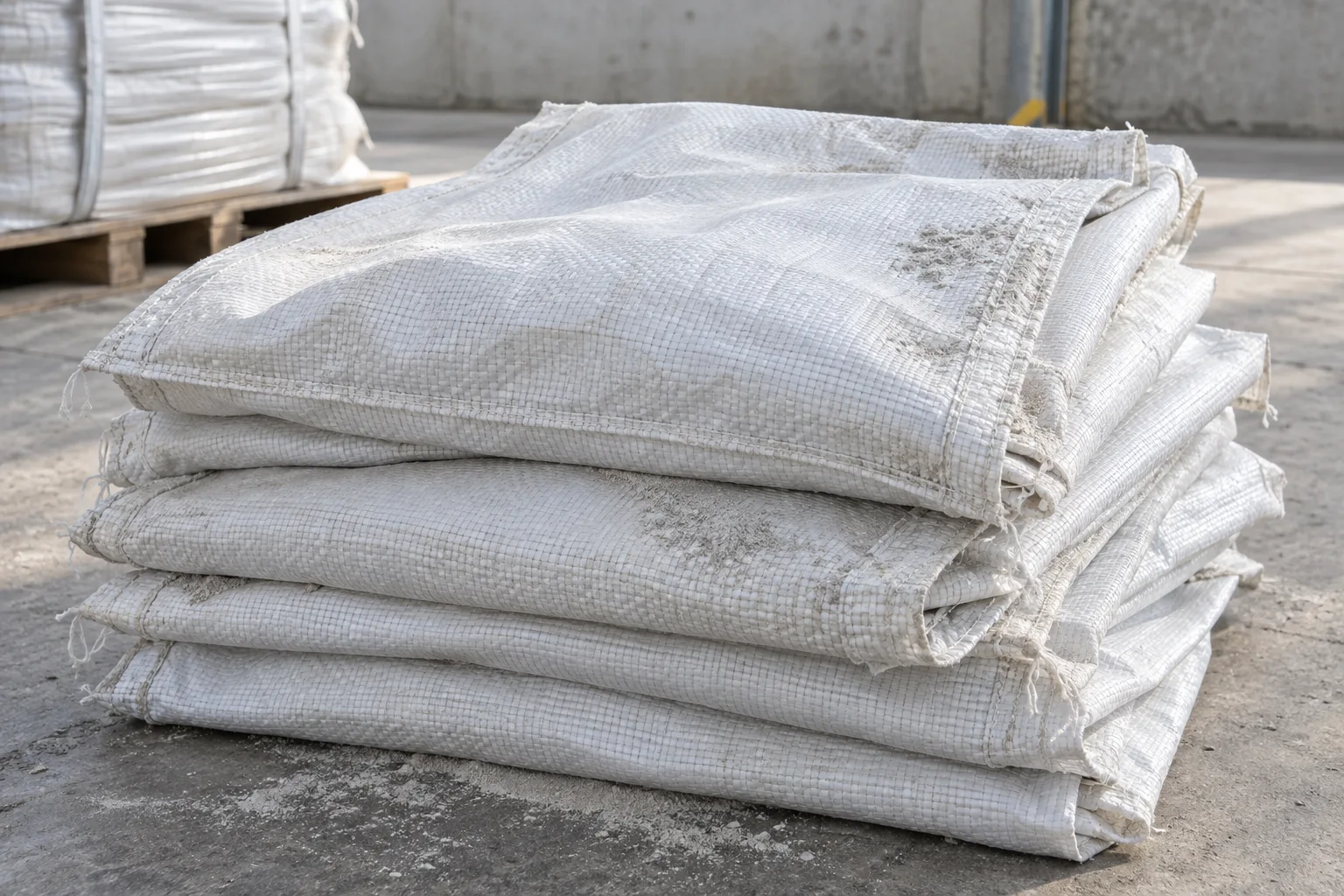 AI concept materialPowder Residue
03 / CEMENT & MINERALS
Fine powder and mineral residue can create heavier contamination and may require stronger material preparation and washing.
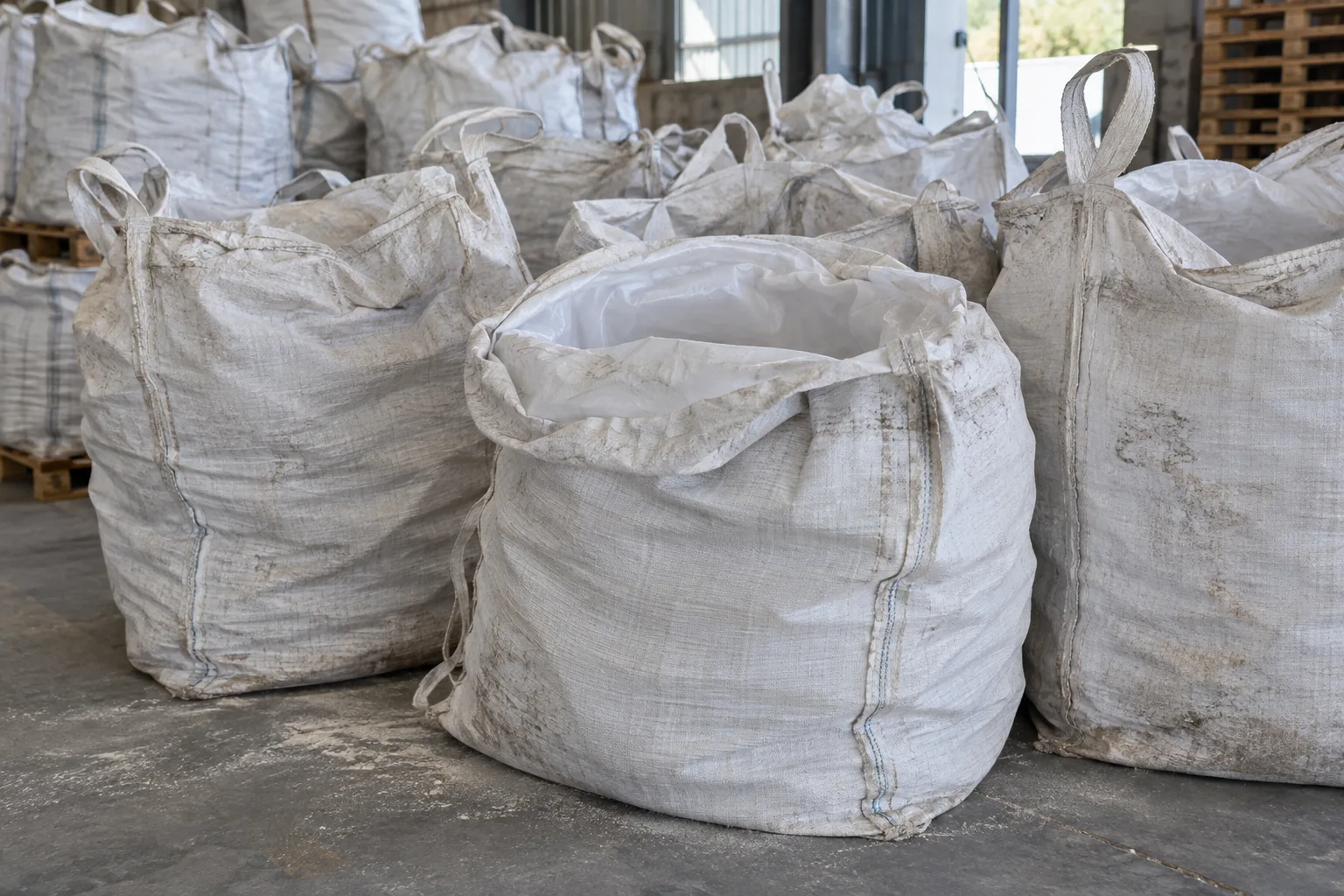 AI concept materialLarge-Format FIBC
04 / BULK PACKAGING
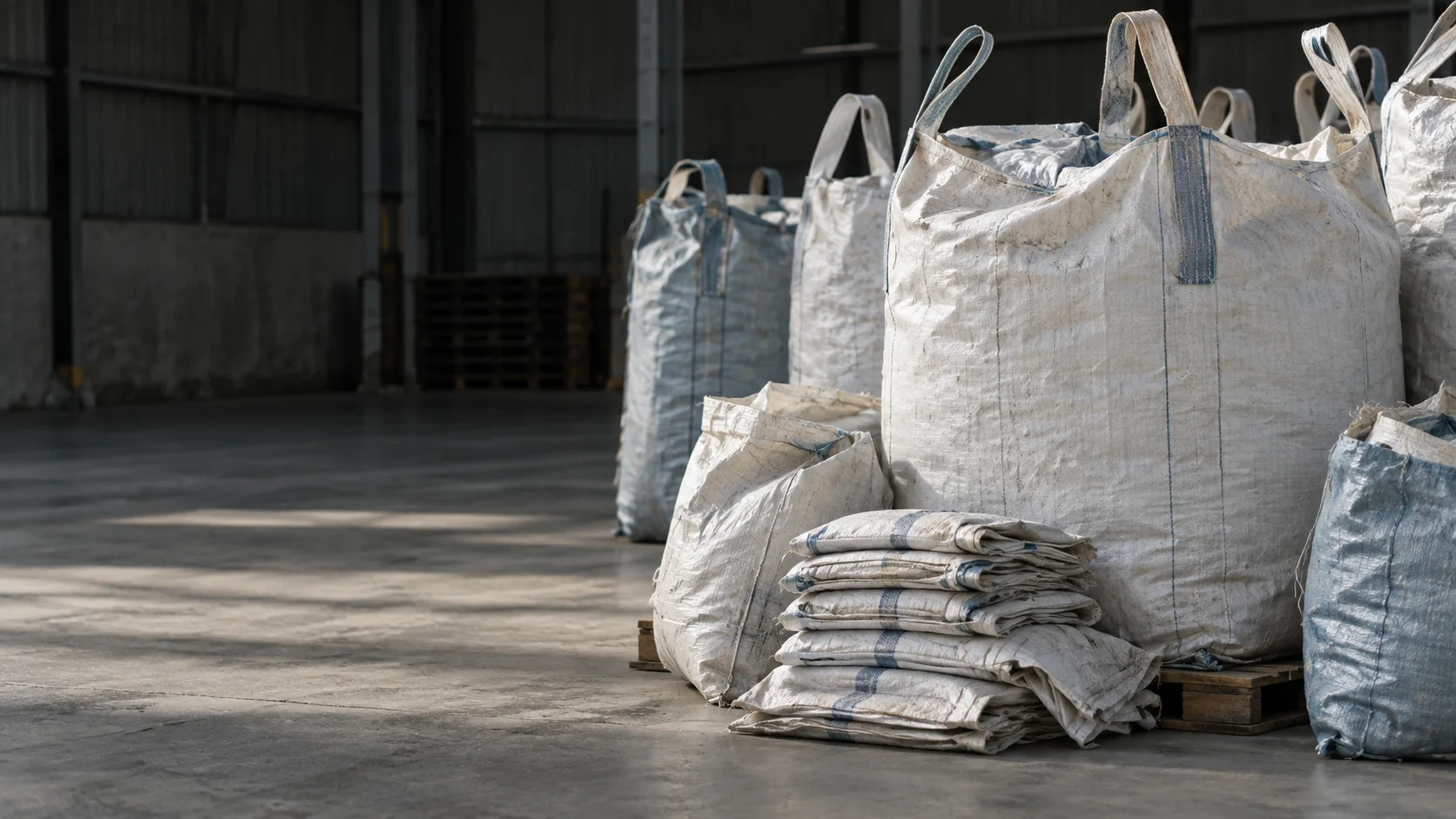
Large FIBC material combines high toughness with large dimensions and may require stronger cutting or shredding before washing.
Typical Woven PP Stream
Check bag construction for liners, coatings and other components; not every woven bag stream is single-material PP.
Recycling Challenges
Woven structure, large bag dimensions, residual contents and moisture behavior all influence how the recycling line should be configured.
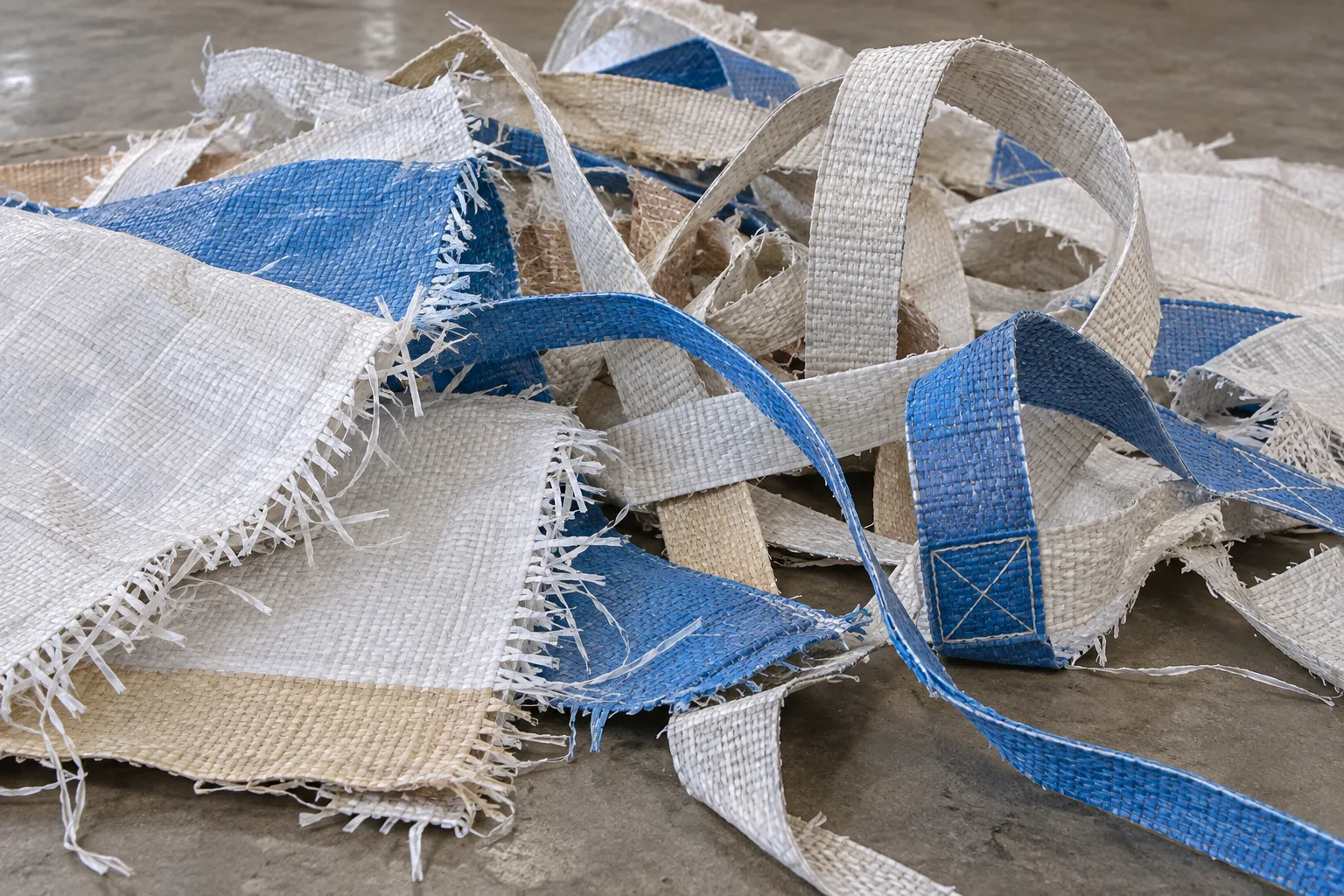 AI concept material
Woven PP has a strong interlaced structure that can be more difficult to cut and size-reduce than lightweight plastic film.
Long woven strips, bag handles and flexible material can wrap around rotating components if feeding and size reduction are not configured correctly.
Used sacks may carry fertilizer, grain, feed, cement powder or other residue that changes the required cleaning intensity.
Washed woven material can retain water and remain difficult to feed, making dewatering and squeezing important before pelletizing.
Engineering NoteA clean post-industrial woven bag stream and a heavily contaminated fertilizer or cement bag stream can require very different recycling configurations.
Bag ConstructionBag construction should also be checked for liners, handles and other components that may change the material stream.
Previous ContentsPrevious contents should be identified before the final recycling process is confirmed. Unknown or incompatible residues require separate evaluation.
Target Output
Depending on the project goal, washed woven PP can be prepared as recycling feedstock or continue into pelletizing.
For customers who want prepared woven PP material for a downstream production step.
AI concept material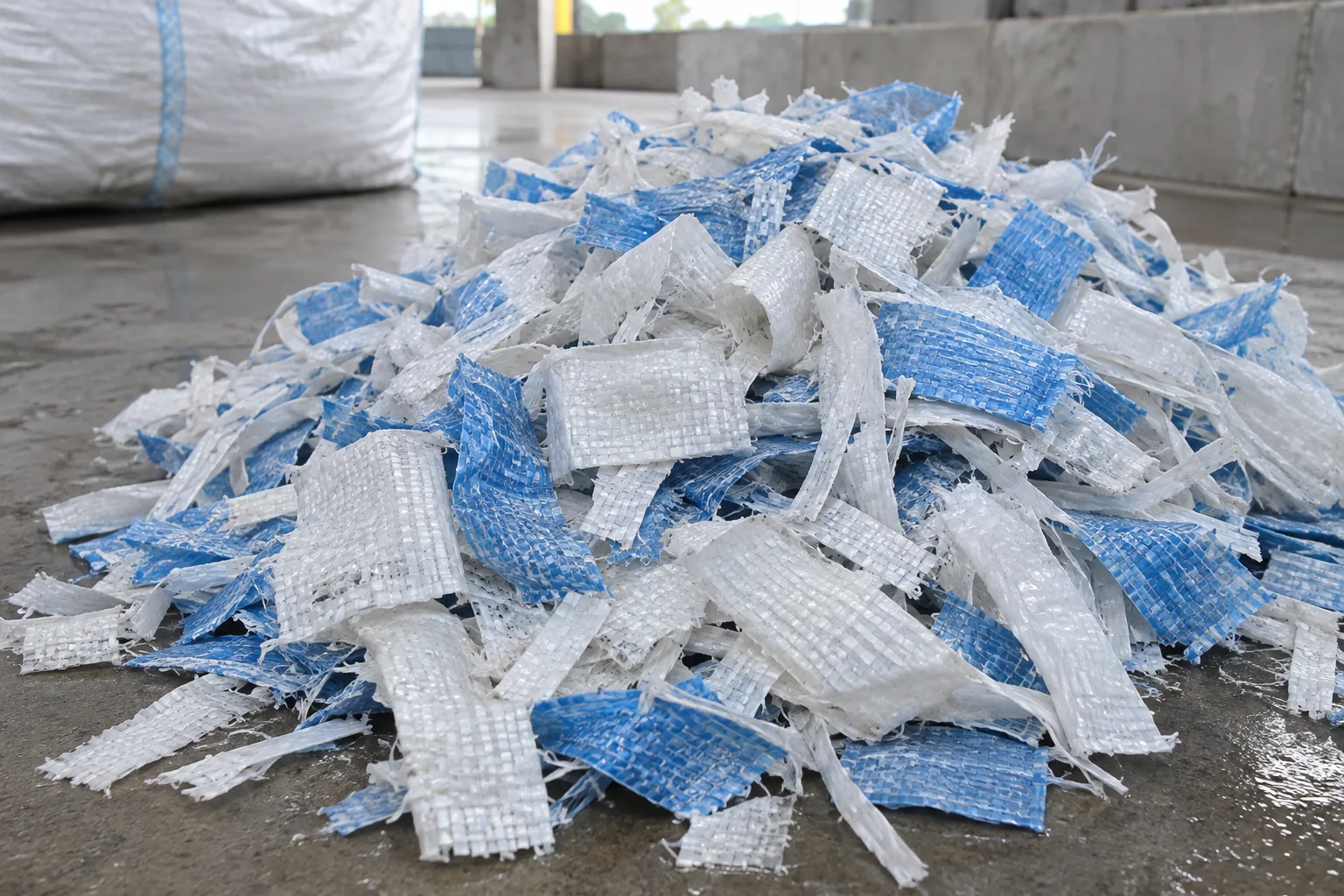 AI concept output
The appearance and downstream use of clean feedstock depend on bag construction, contamination and the configured process.
For projects that continue from washed, moisture-reduced material into pelletizing.
AI concept material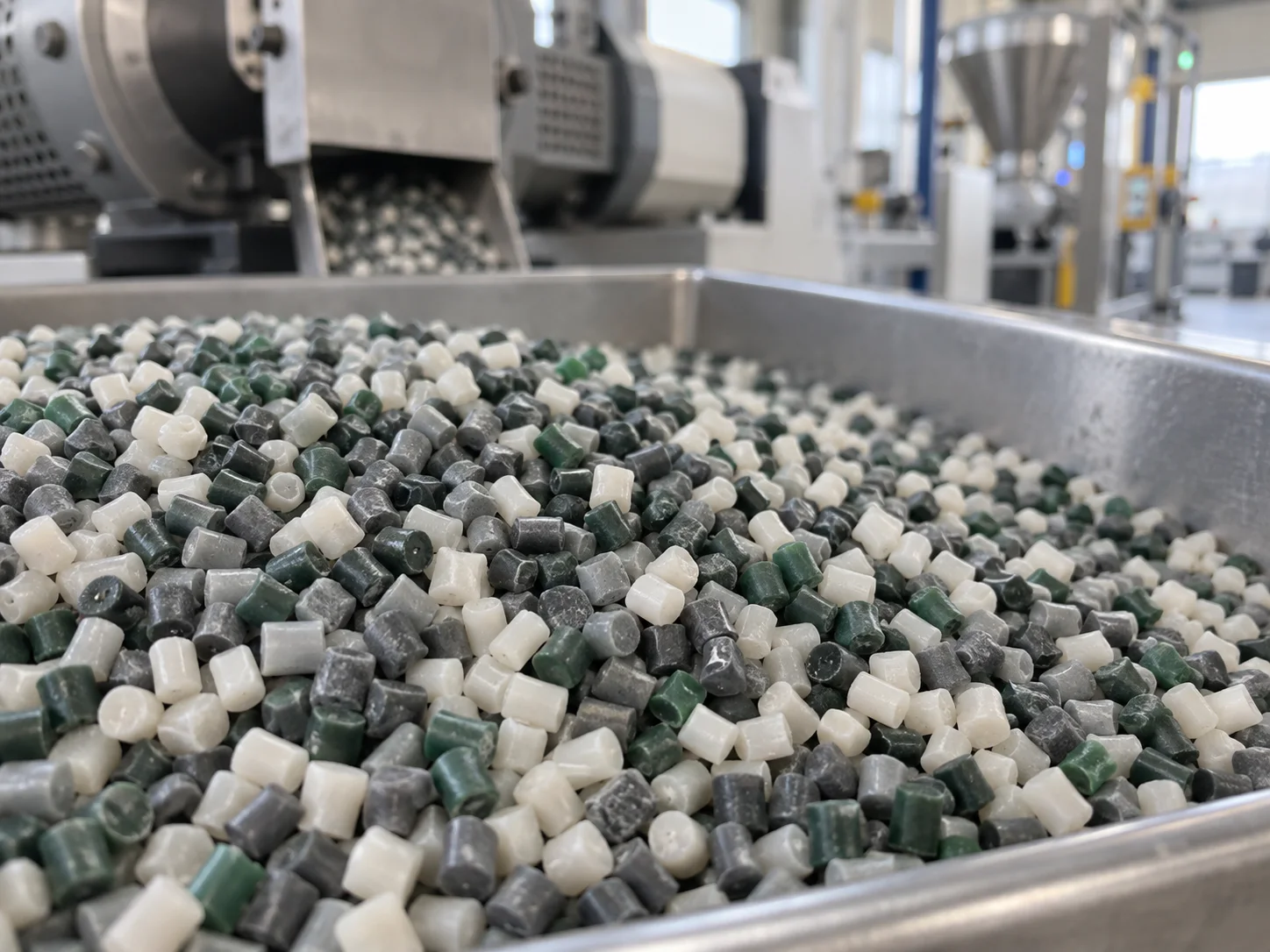 AI concept output
Pellet characteristics depend on feedstock, process configuration and the customer's requirements.
If pellet production is the final target, washing and moisture-reduction stages should be designed with downstream extrusion feeding in mind.
Recommended Recycling Route
Rayli configures the recycling process according to bag structure, material size, contamination, moisture condition, required capacity and final output.
Check bag construction, previous contents and contamination before feeding.
Reduce tough woven bags and handles into manageable pieces.
Address dust and residue according to actual material condition.
Reduce moisture and improve material handling after washing.
Choose the stopping point based on the required output.
Start with the complete woven-bag route
Explore a line configured around your bag structure, contamination and target output.
Plan Your Woven PP Recycling Project
Share your bag type, previous contents, contamination condition, required capacity and target output. Photos or videos can help Rayli recommend the right shredding, washing, squeezing and pelletizing route.
Photos showing the bag structure, liners and contamination are especially useful for project evaluation.