 AI concept material
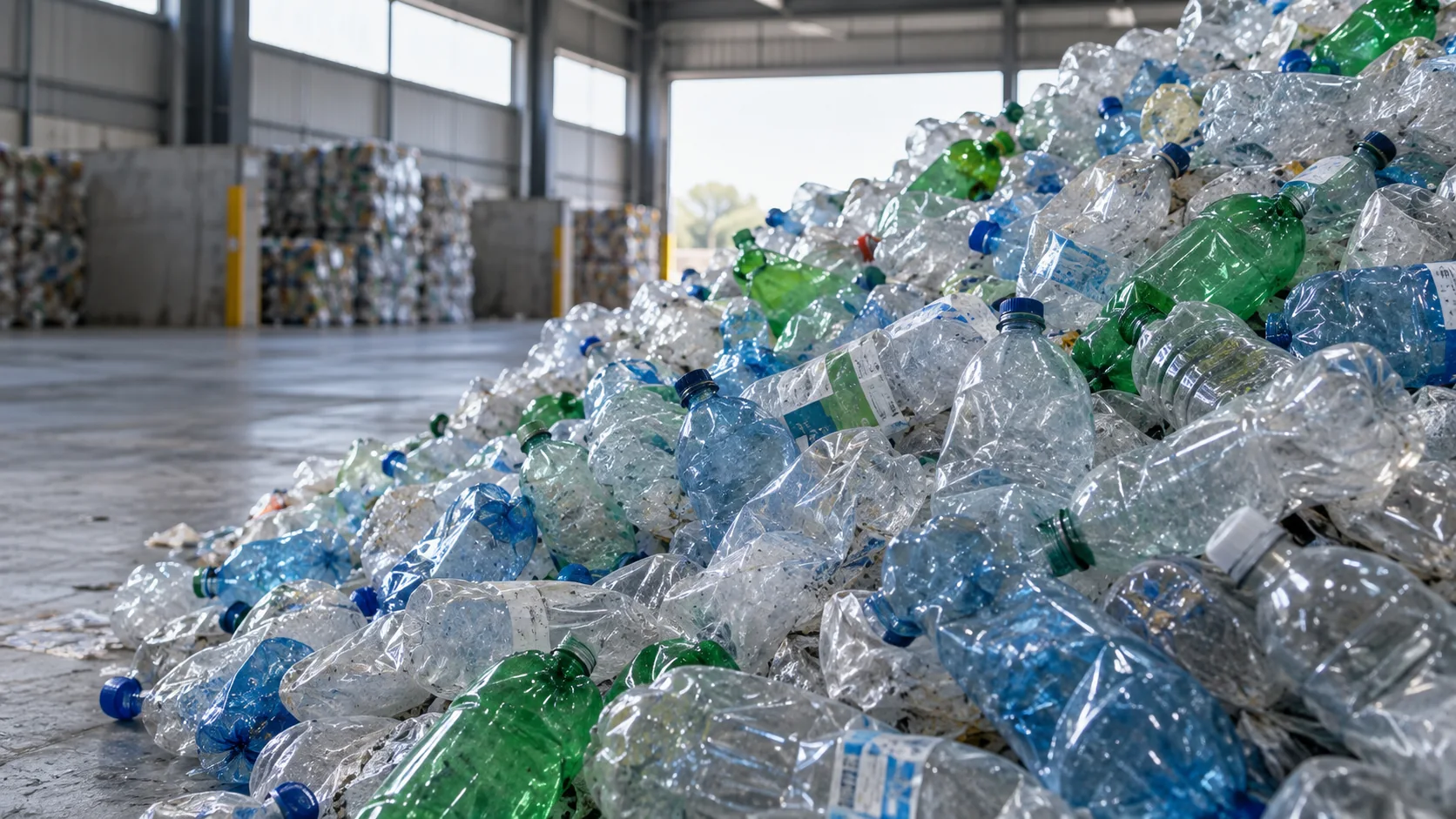
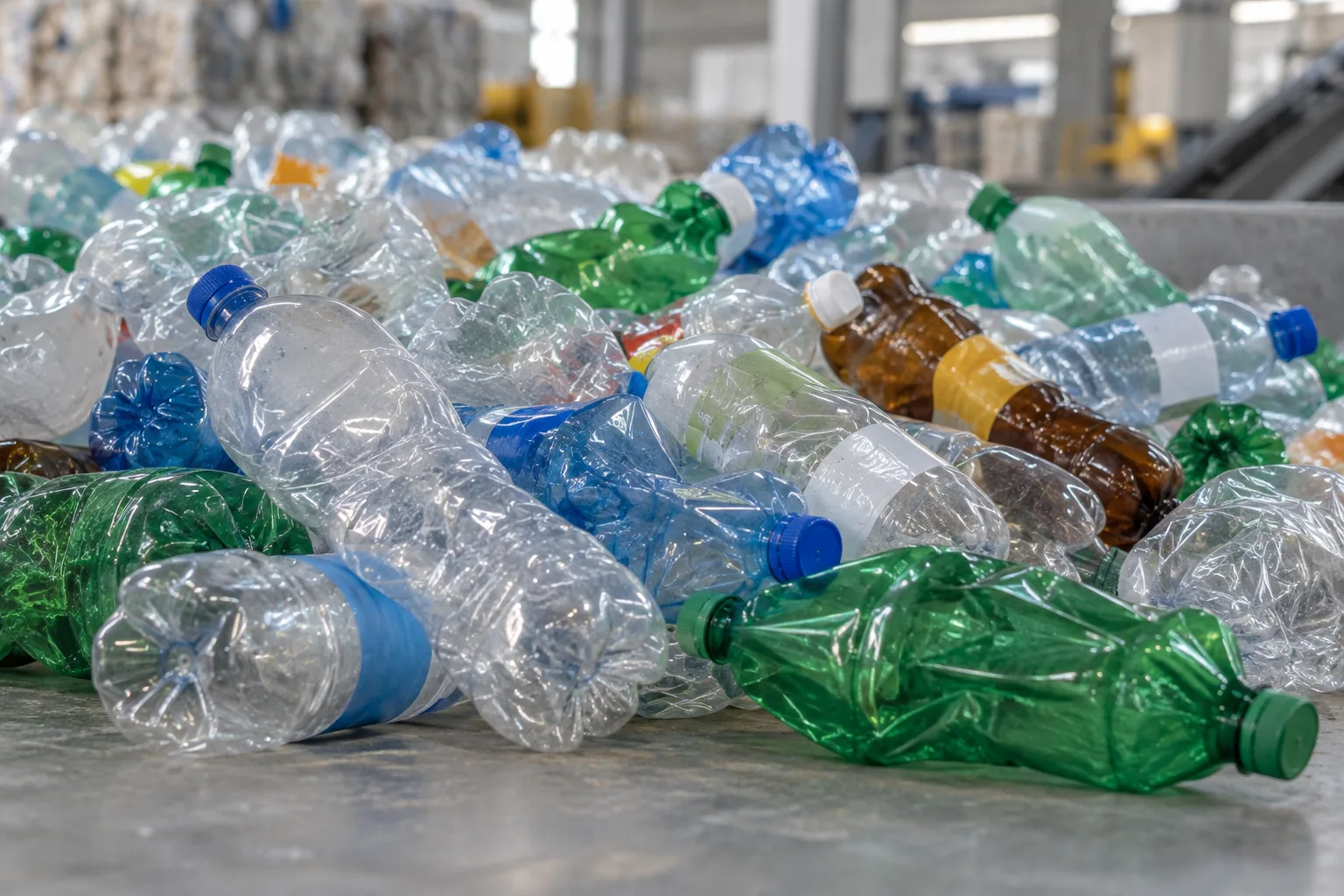
Loose / Uncompacted
AI concept material
Loose / Uncompacted
01 / LOOSE FEEDSTOCK
Loose PET Bottles
Uncompacted bottles arrive in varied shapes, colors and label conditions.
PET Bottle Recycling Material
Post-consumer PET beverage and water bottles can be recycled into clean PET flakes through a properly configured sorting, size-reduction, washing and drying process.
AI concept material · illustrative feedstock, not a Rayli sample
Material Profile
PET bottle recycling projects can start from loose bottles, compressed bales or pre-sorted bottle streams, with different levels of labels, caps and contamination.
AI concept material
Loose / Uncompacted
01 / LOOSE FEEDSTOCK
Uncompacted bottles arrive in varied shapes, colors and label conditions.
 AI concept material
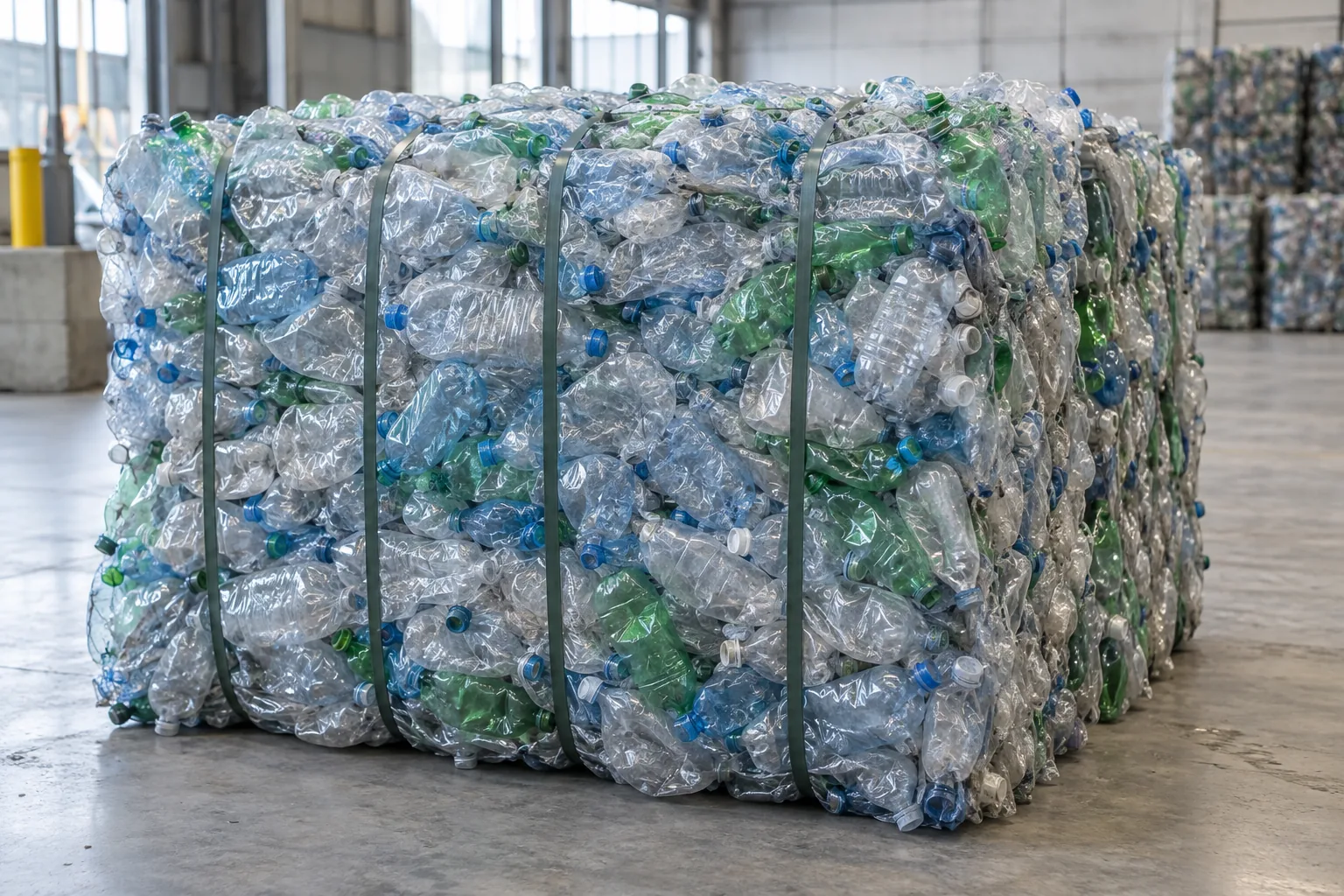
Compressed Bale
AI concept material
Compressed Bale
02 / COMPACTED FEEDSTOCK
Compressed post-consumer bottle feedstock prepared for recycling and line feeding.
 AI concept material
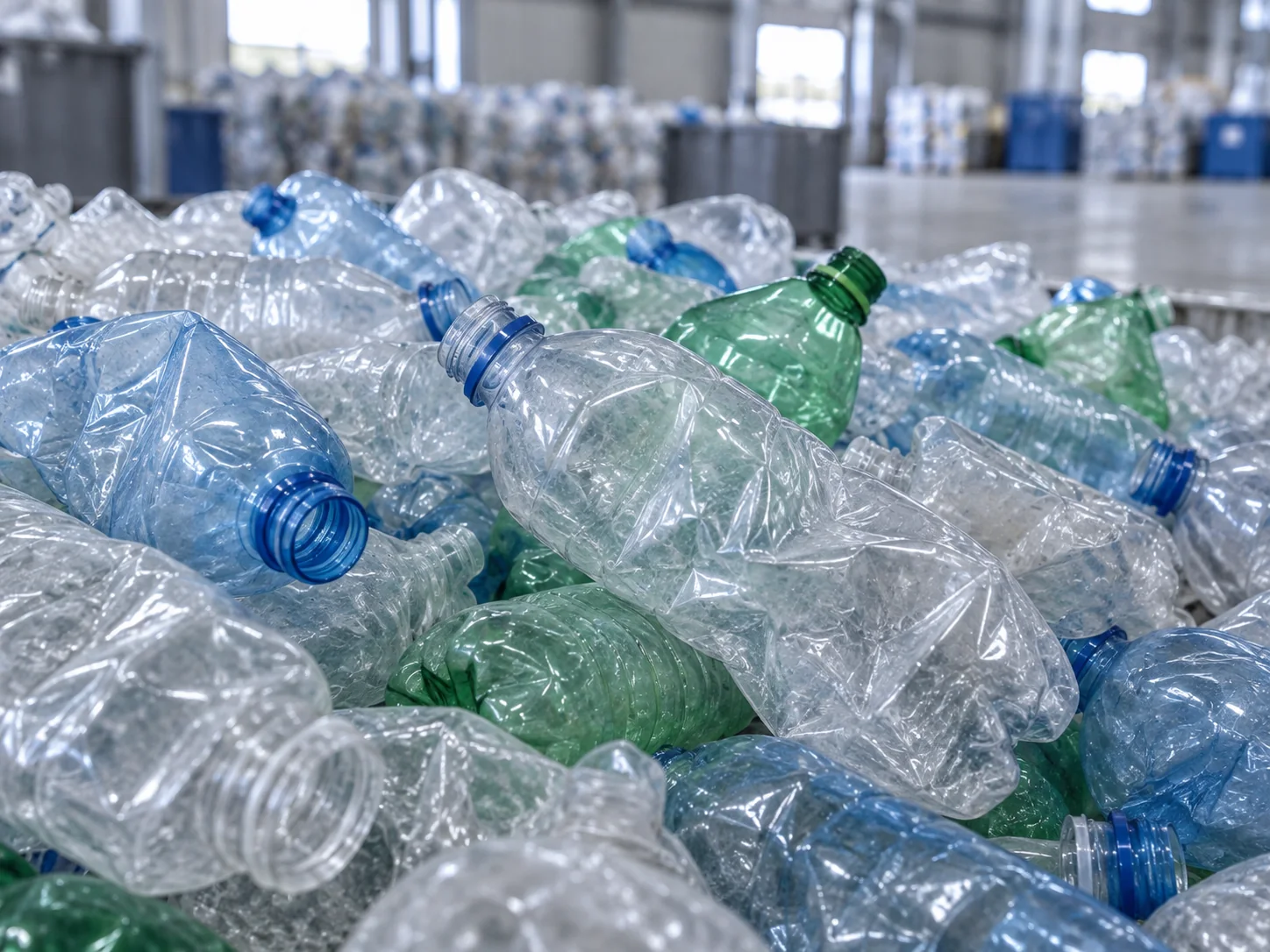
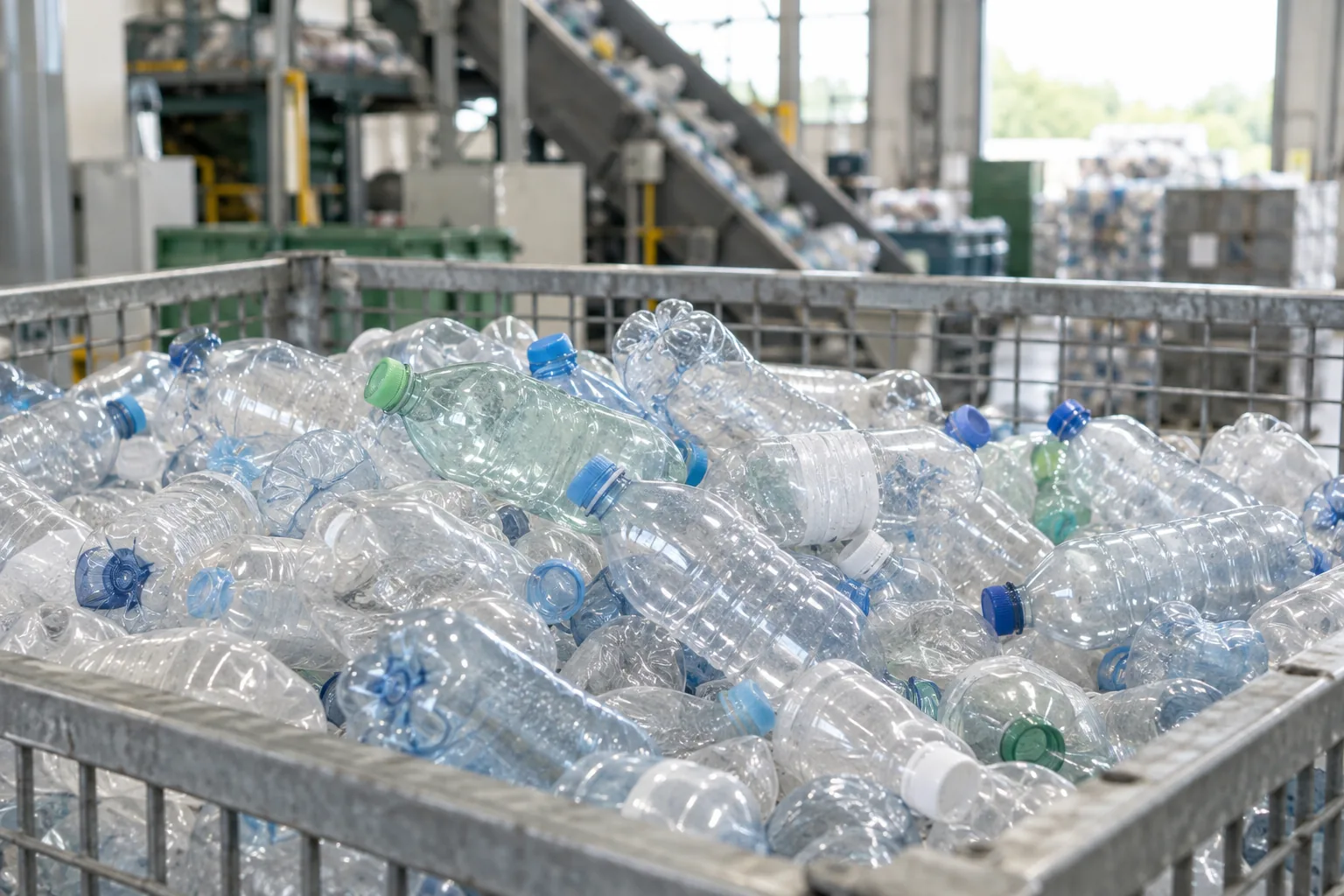
Mixed Colors
AI concept material
Mixed Colors
03 / COLOR VARIATION
Clear, green, blue and other bottle colors may enter the same incoming stream.
 AI concept material
Pre-Sorted Stream
AI concept material
Pre-Sorted Stream
04 / SORTED FEEDSTOCK
Some bottle streams arrive with color or non-PET items already separated.
Typical Material Stream
Recycling Challenges
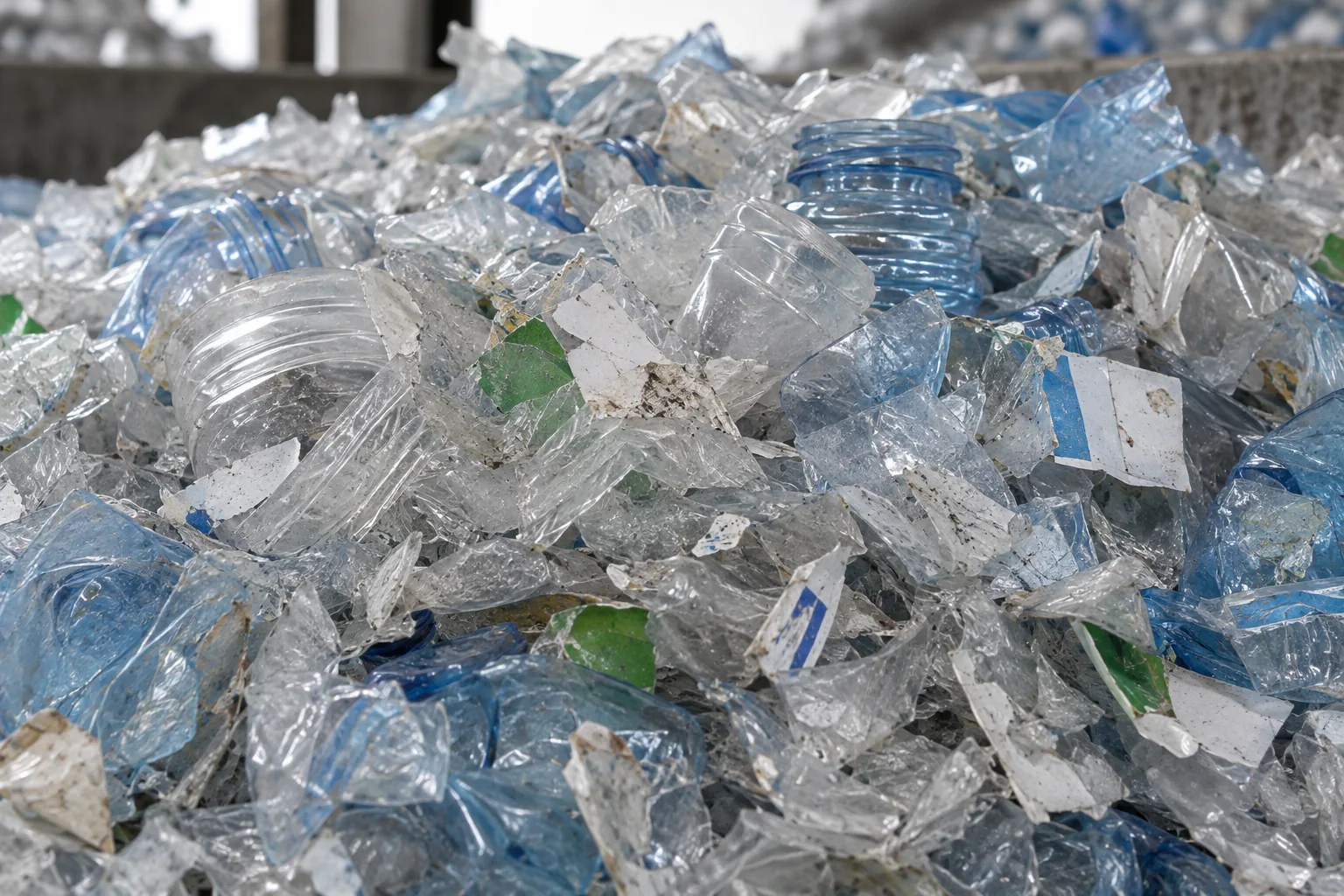
A PET bottle stream contains more than PET itself. Labels, caps, glue, dirt and mixed materials must be considered when the recycling process is designed.
 AI concept material
Labels may use different materials and should be considered during separation. They must be removed or separated to improve PET flake cleanliness.
Caps and other plastic components may have different material properties and should be separated during recycling.
Adhesive residue and surface contamination can require stronger washing than simple rinsing.
Dust, dirt, sand and leftover contents affect how intensive the washing configuration needs to be.
Engineering NoteTwo PET bottle streams can require different washing configurations even when the polymer type is the same.
Project EvaluationBottle color, label type, contamination and target flake quality should be evaluated before the line configuration is finalized.
Target Output
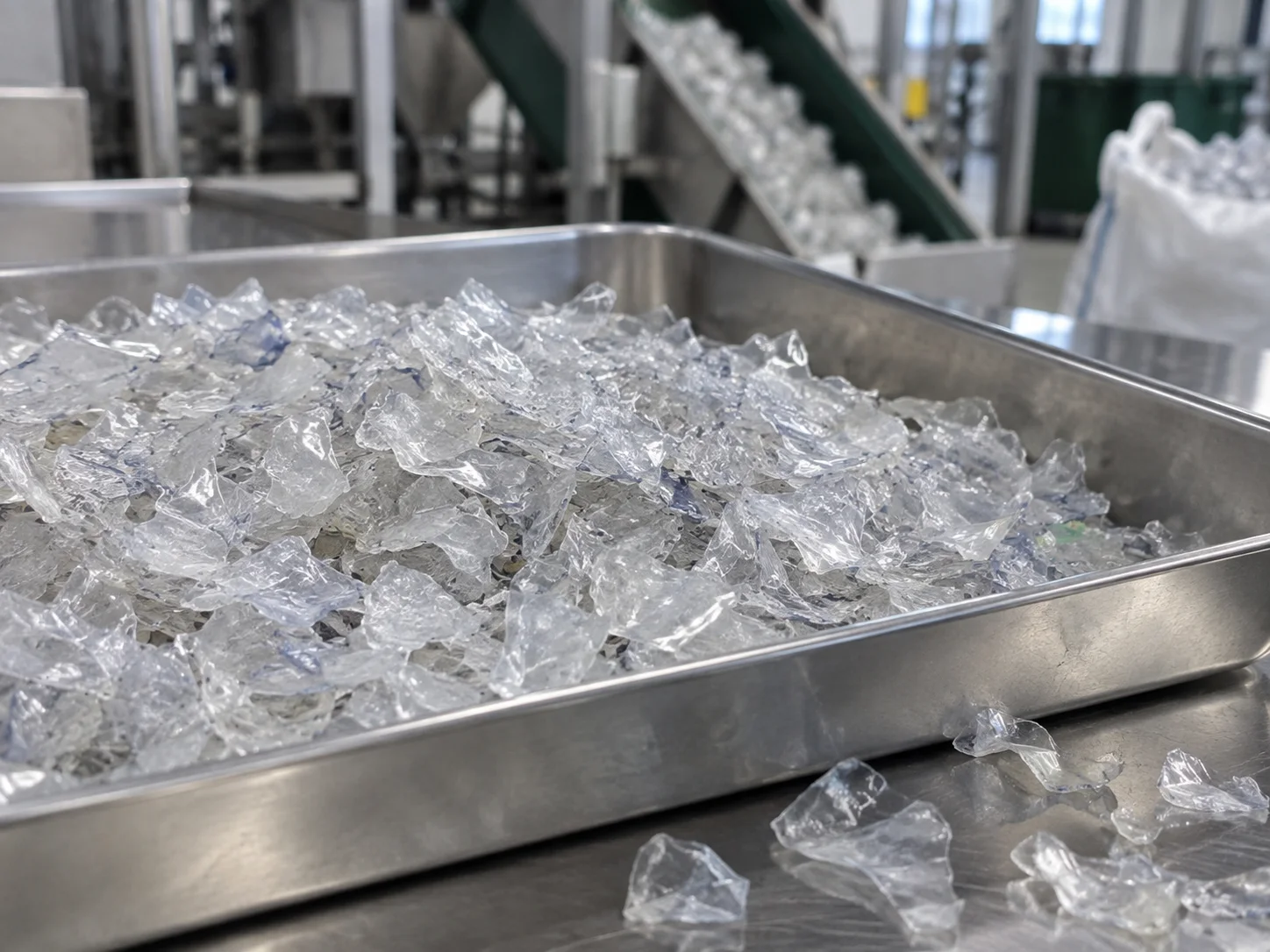
The most common output of a PET bottle washing line is clean PET flakes prepared for downstream recycling applications.
AI concept material
 AI concept output
Clean PET flakes can be prepared for downstream recycling according to the customer's target application and quality requirements.
Recommended Recycling Route
For post-consumer PET bottles, Rayli recommends a complete recycling process designed around bottle preparation, intensive washing, separation and drying.
Prepare loose or baled bottles for controlled line feeding.
Reduce bottles into flakes for downstream processing.
Address labels, glue and surface contamination.
Separate other materials and rinse the PET flakes.
Reduce residual moisture before flakes are collected.
Continue to the complete line
See how the process stages work together for PET bottle feedstock.
Plan Your PET Recycling Project
Share your PET bottle condition, contamination, required processing capacity and target flake output. Rayli will recommend a suitable recycling process and line configuration.
Photos or videos of your PET bottle feedstock are helpful for project evaluation.