 AI concept materialLong-Dimension Feedstock
01 / EXTRUDED MATERIAL
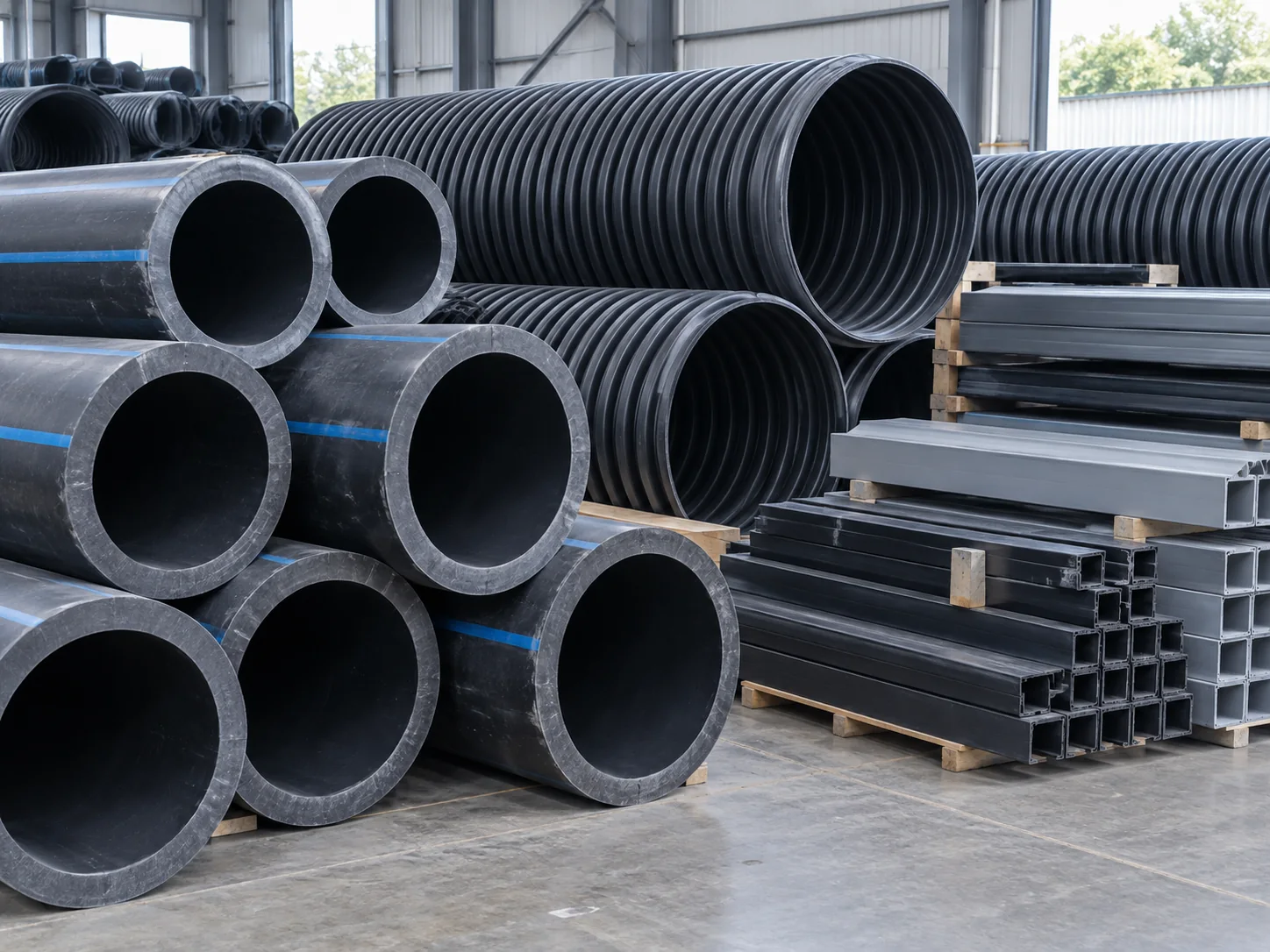
Plastic Pipes & Profiles
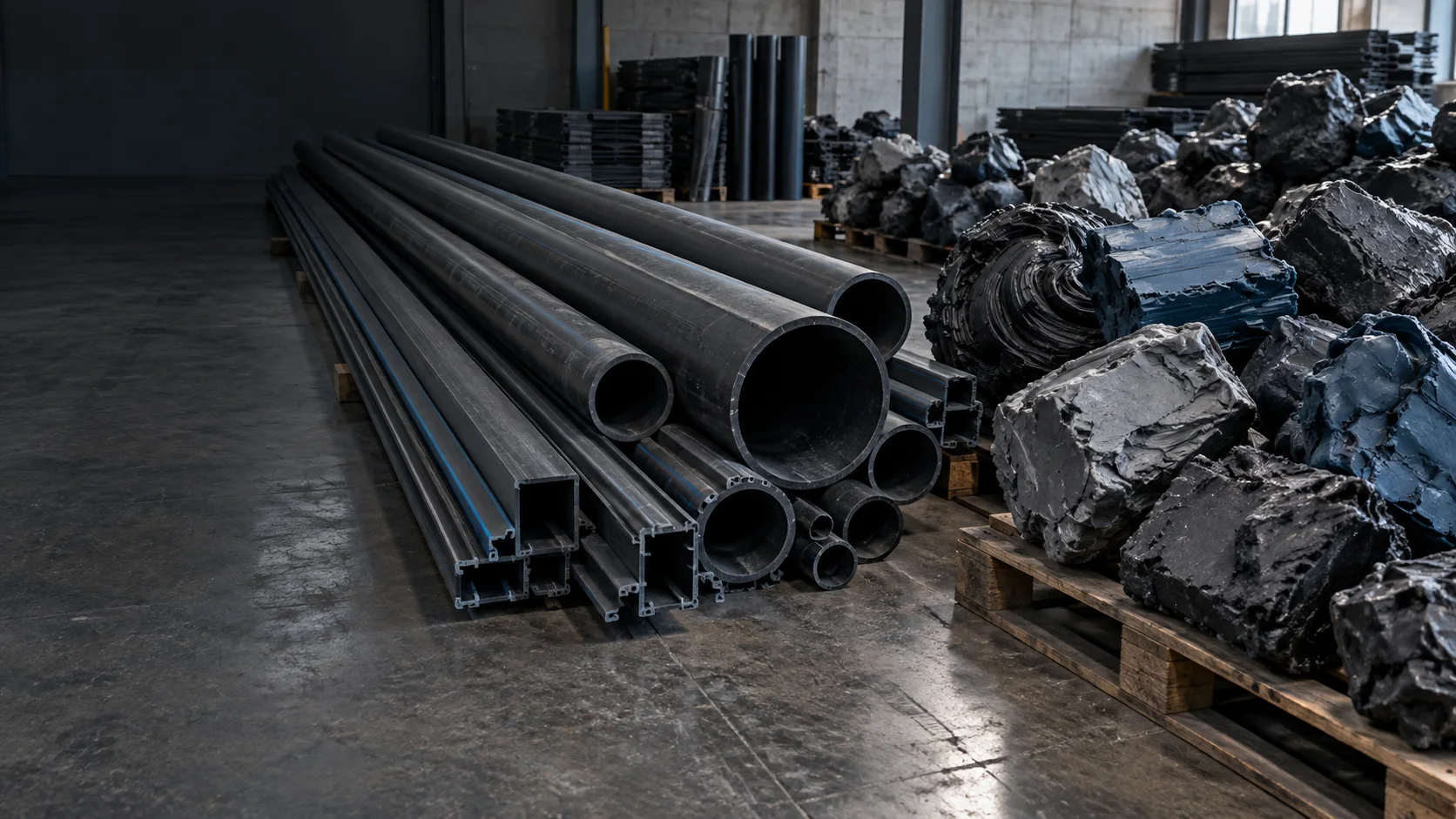
Long and thick-wall materials may require dedicated feeding, cutting or primary shredding before further size reduction.
Special Plastic Recycling Materials
Plastic pipes, profiles, lumps and industrial production scrap can vary significantly in polymer type, dimensions, wall thickness and contamination. These materials often require project-specific size reduction and downstream recycling configurations.
AI concept material · pipes and purge lumps shown for illustration, not a Rayli sample
Material Profile
These materials are usually defined more by their shape, dimensions and production origin than by one standard recycling category.
AI concept materialLong-Dimension Feedstock01 / EXTRUDED MATERIAL
Long and thick-wall materials may require dedicated feeding, cutting or primary shredding before further size reduction.
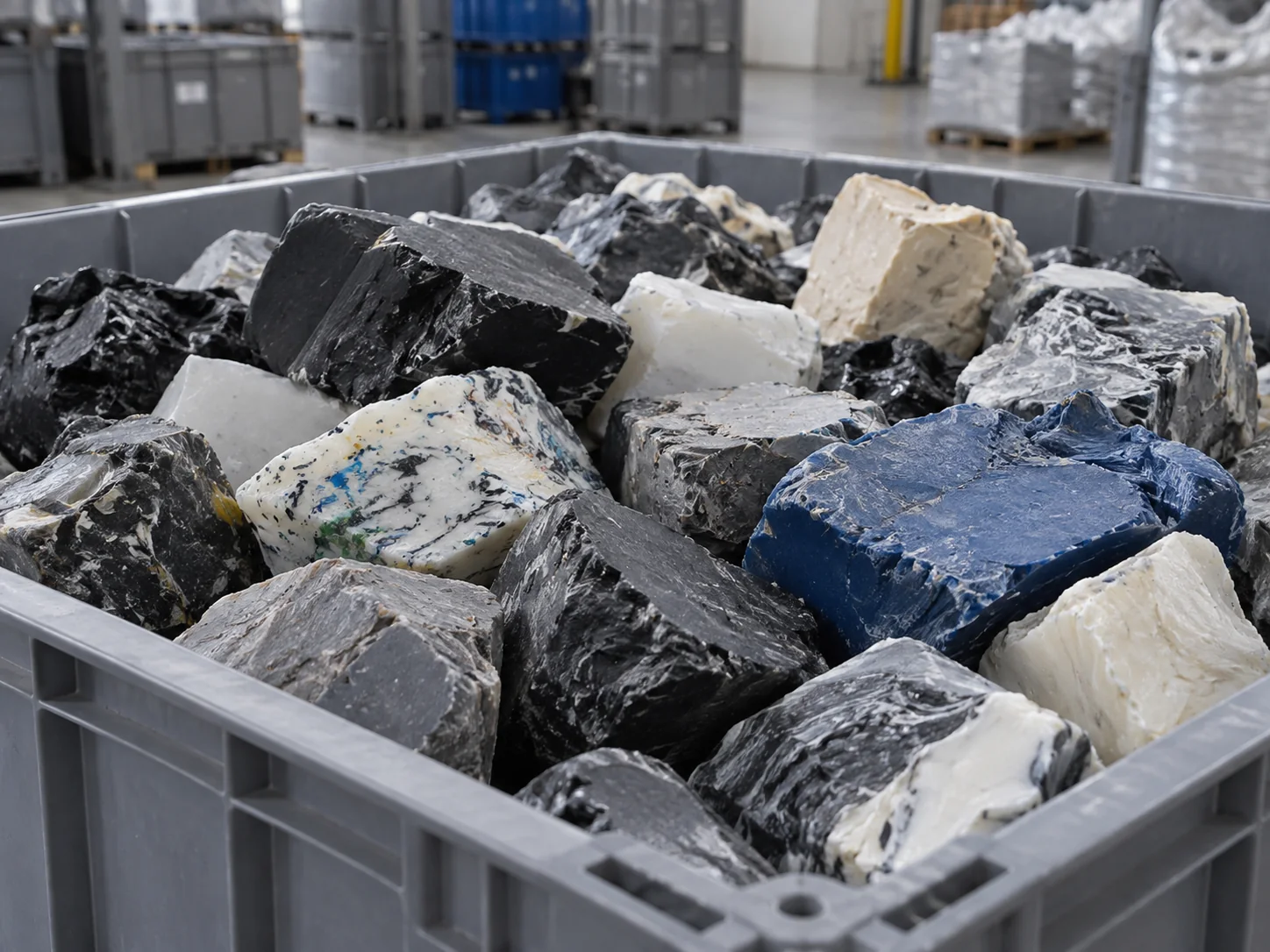 AI concept materialDense Production Waste
02 / PURGE & START-UP
Dense plastic lumps can place high loads on size-reduction equipment and usually require high-torque shredding.
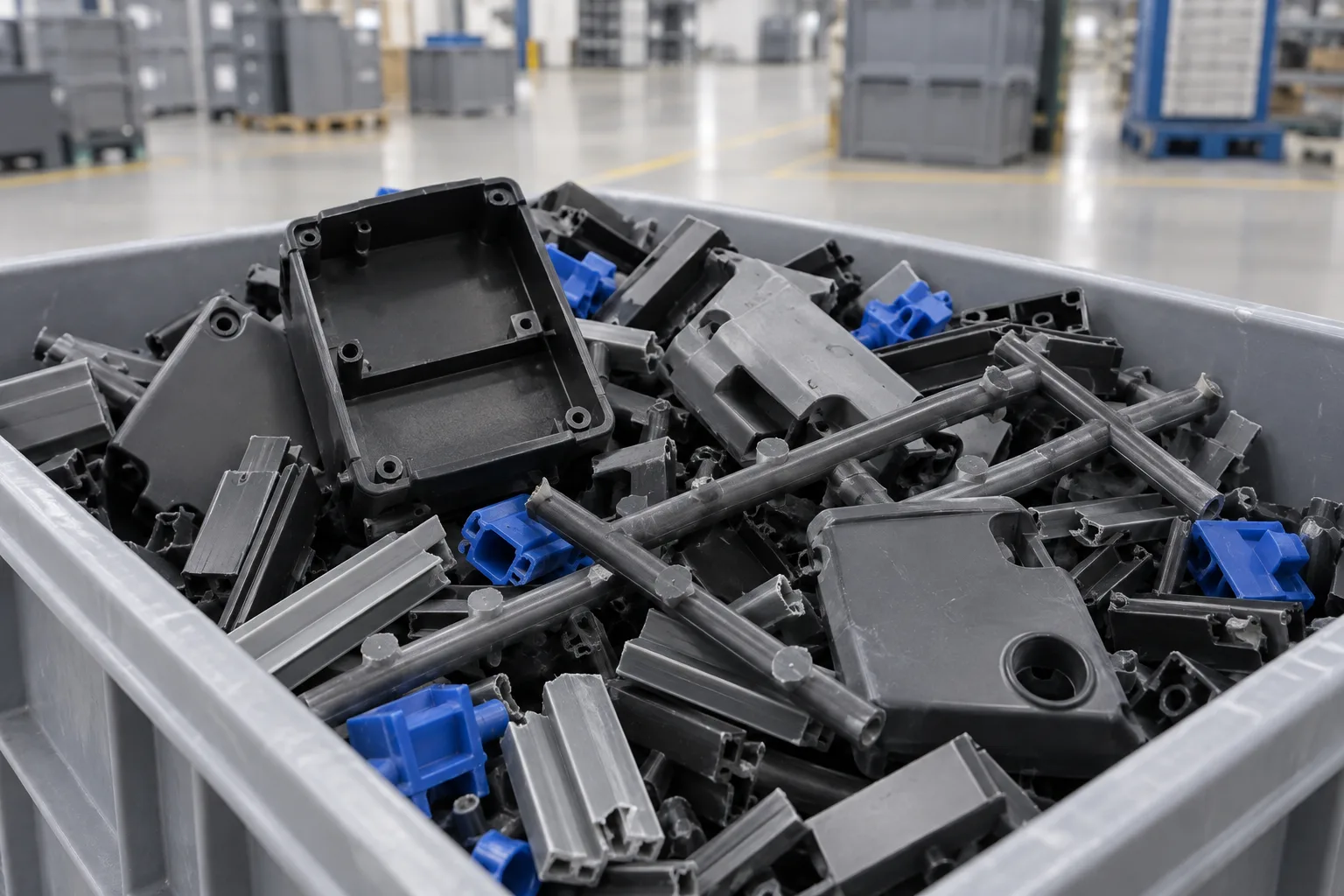 AI concept materialPost-Industrial
03 / FACTORY OFFCUTS
Industrial scrap can be relatively clean and consistent, potentially allowing a simpler recycling route than post-consumer material.
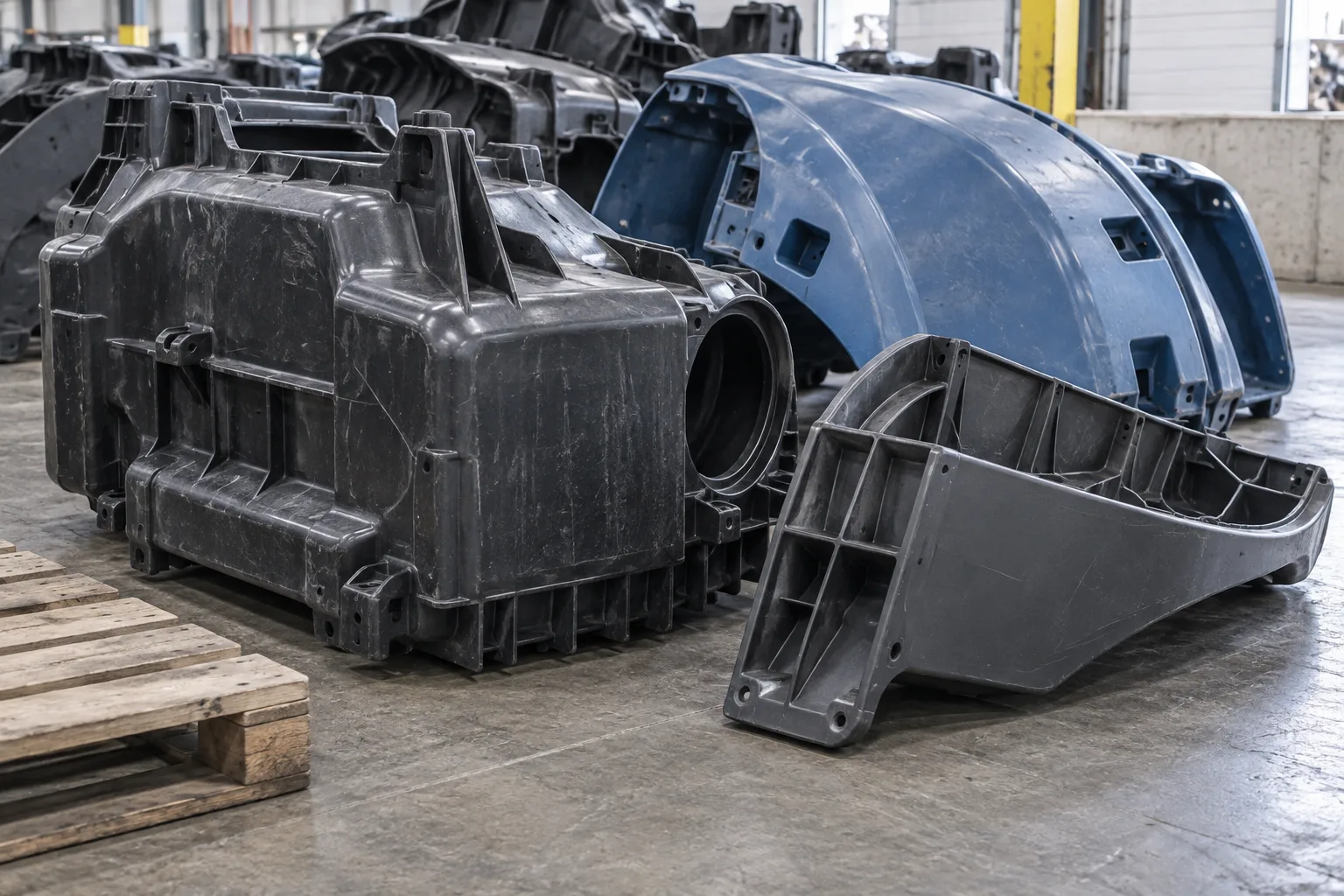 AI concept materialOversized Parts
04 / SPECIAL COMPONENTS
Large or irregular plastic parts require evaluation of size, thickness, attached components and material composition before processing.
Typical Special Plastic Stream
“Other Plastics” is not a catch-all recycling promise. Material type, dimensions and condition need to be evaluated before a process is selected.
Recycling Challenges
Large dimensions, high material density, irregular shapes and unknown material composition can all change the correct recycling route.
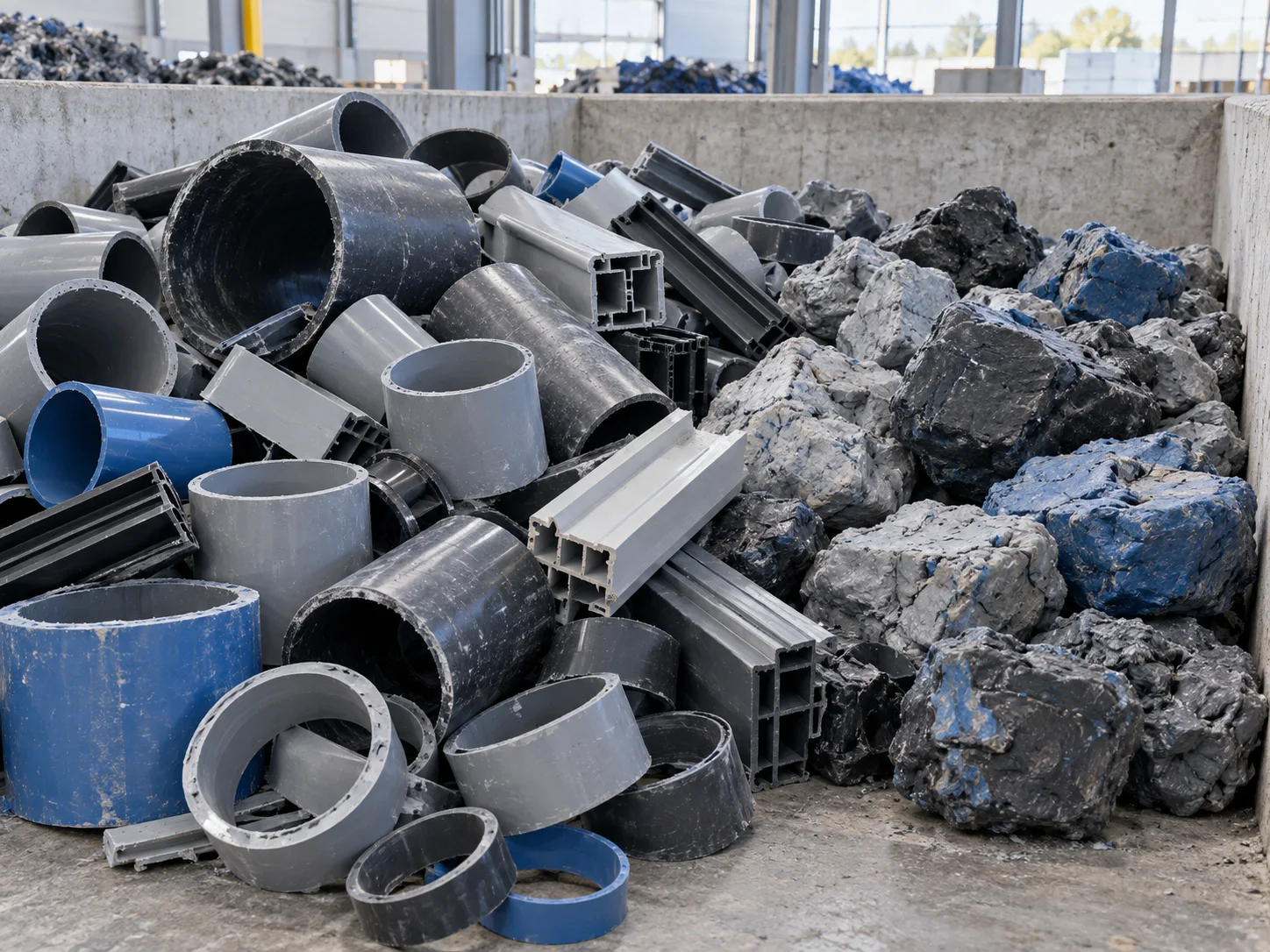 AI concept material
Long pipes, profiles and oversized parts may not fit standard feeding or crushing systems without pre-cutting or specialized size reduction.
Lumps, purge and thick-wall plastics can require high-torque shredding before smaller particle sizes can be achieved.
Industrial scrap should be identified by material type before washing, mixing or pelletizing routes are finalized.
Clean production scrap may require little or no intensive washing, while post-use pipes or parts may need additional cleaning and separation.
Engineering NoteA clean production purge and a contaminated post-use plastic pipe may both require shredding, but the downstream recycling process can be completely different.
Confirm Before ProcessingMaterial type, attached components and previous use should be confirmed before pelletizing or blending with other recycled plastics.
Attached ComponentsMetal inserts, screws, rubber, fibers or coatings may require removal or separate evaluation. Unknown, reinforced or cross-linked materials need material evaluation.
Target Output
Some materials only need size reduction, while others may continue through washing, drying or pelletizing.
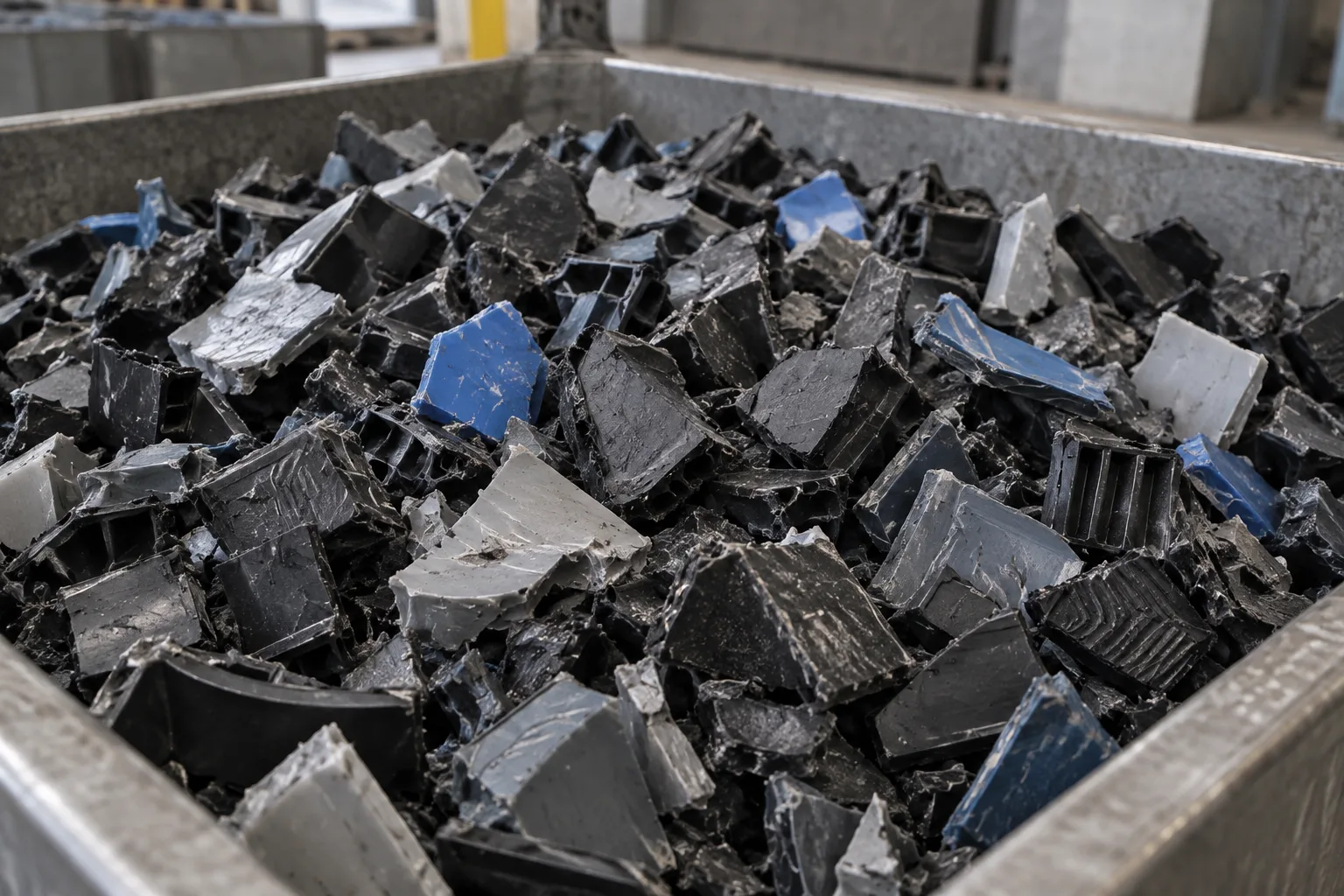 AI concept output
01 / SIZE REDUCTION
For material that only needs to be reduced for further processing or internal reuse.
Possible RoutePipes / lumps / large parts → shredding or crushing → size-reduced material
 AI concept output
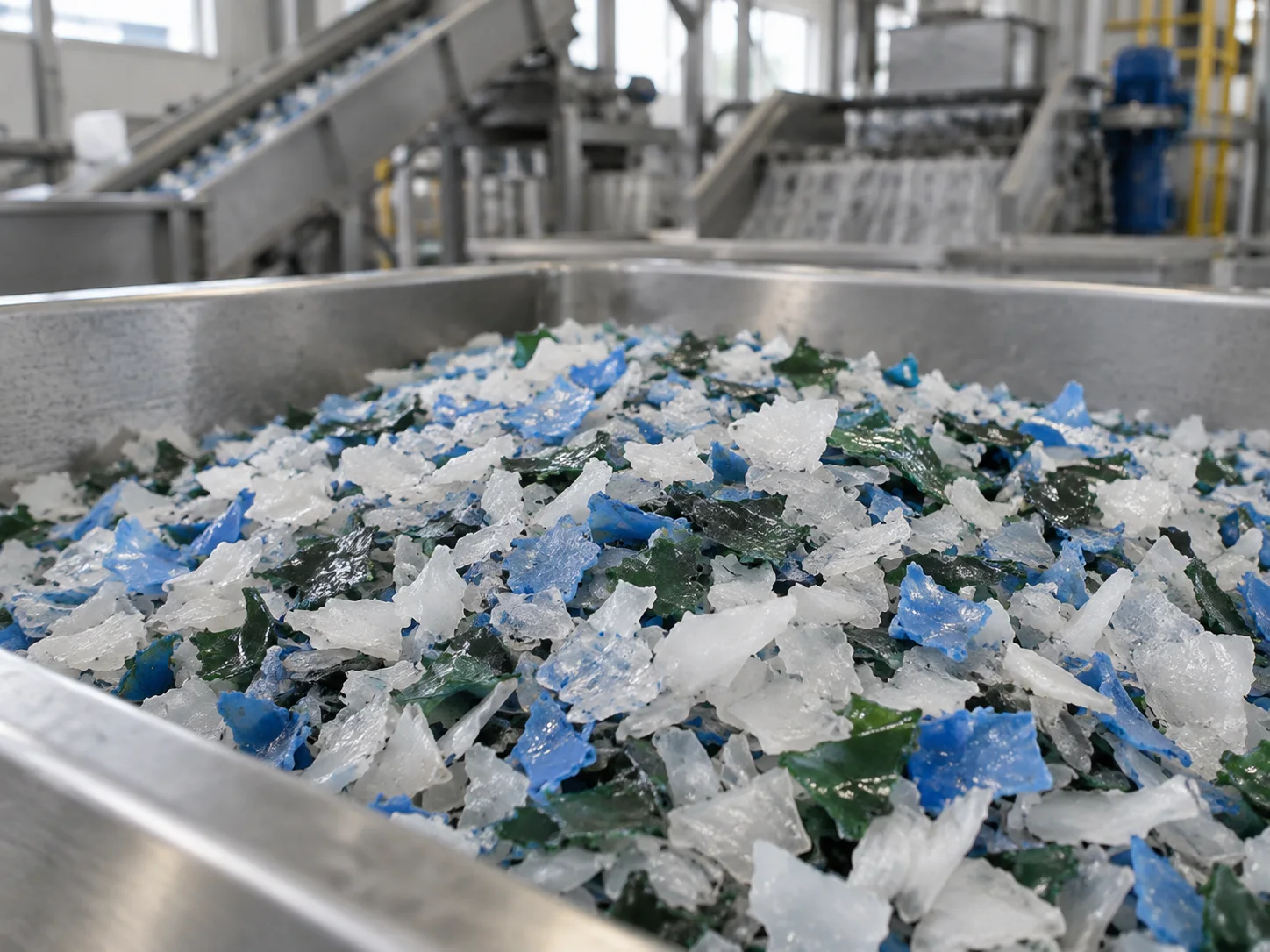
02 / WASHED OUTPUT
For contaminated feedstock that needs cleaning and drying after size reduction.
Possible RouteContaminated plastic → size reduction → washing & drying → clean flakes
 AI concept output
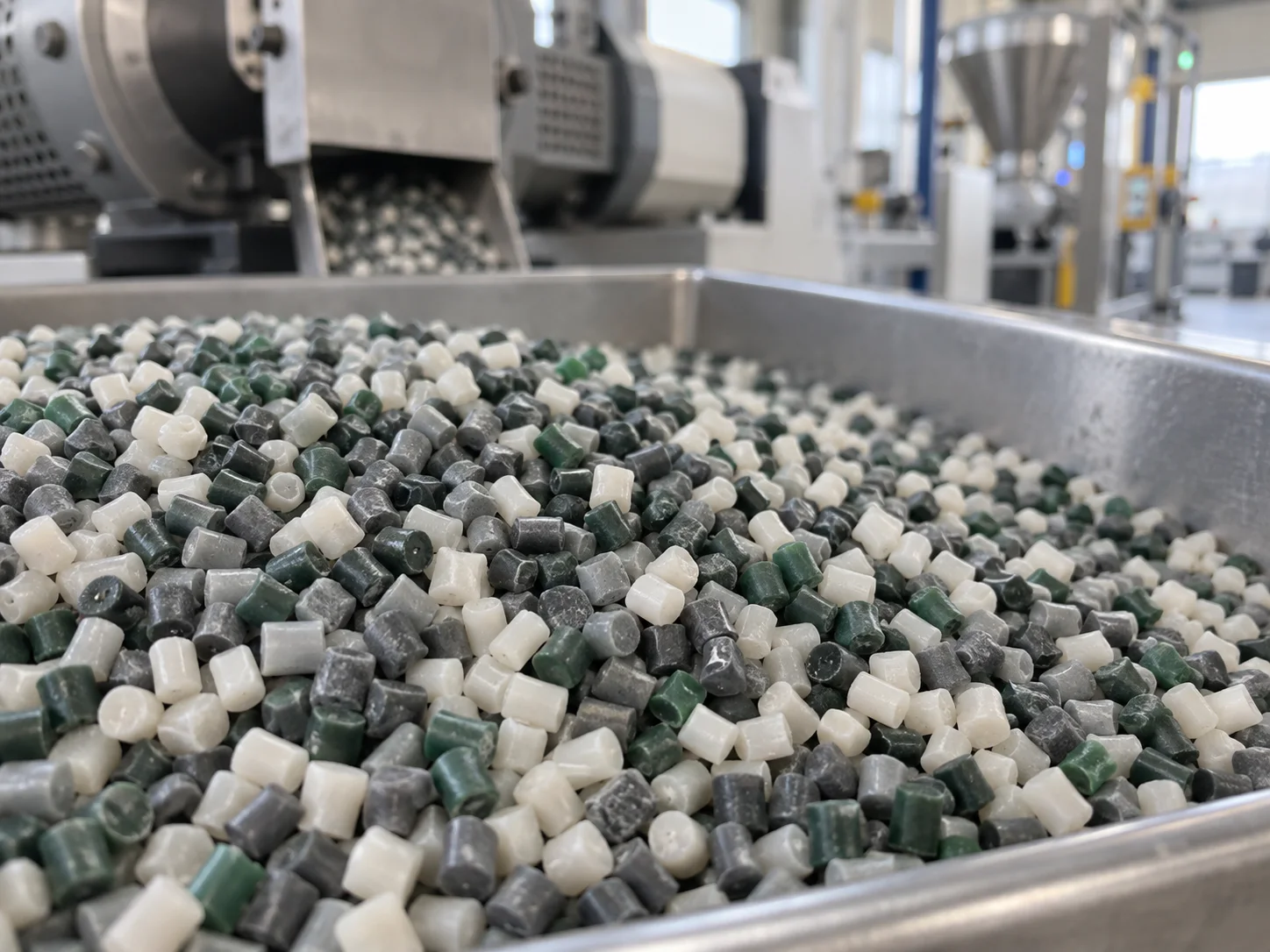
03 / PELLETIZING
For identified and prepared material; contaminated waste may need washing before pelletizing.
Possible RouteClean / prepared plastic → size reduction → pelletizing
Confirm material type and contamination before selecting an output route.
Different polymers should not be assumed compatible for pelletizing or blending.
Find the Right Route
Pipes, lumps and industrial plastic scrap can follow different routes depending on whether the material is clean, contaminated, oversized or already prepared for extrusion.
Route A / Large or Thick Plastic
For pipes, profiles, purge lumps and oversized parts that need initial size reduction before further processing.
Explore Shredding & Crushing Equipment ↗Route B / Contaminated Rigid Plastic
For post-use rigid material that needs cleaning, separation and drying before the selected output stage.
Explore Rigid Plastic Recycling Solution ↗Route C / Clean Industrial Scrap
For identified, clean and prepared scrap. Confirm material and extrusion suitability before choosing a direct route.
Explore Plastic Pelletizing Solution ↗Route D / Dirty Waste to Pellets
For projects where contaminated feedstock needs washing and moisture reduction before pelletizing.
Explore Washing + Pelletizing System ↗Not sure which route applies?
Send photos, product source and approximate dimensions for a material evaluation.Unknown polymer types, fiber-reinforced or cross-linked materials require material evaluation before a processing route is proposed.
Evaluate Your Material First
Share your plastic type if known, dimensions, wall thickness, photos, contamination condition, required capacity and target output. Rayli can help determine an appropriate size-reduction and recycling route.
Photos, videos and approximate dimensions are strongly recommended for pipes, lumps and oversized plastic scrap. If the polymer is unknown, include the product source or previous use if available.